

2011-2017 Honda Odyssey Fuel Pump: Stalling Issues, Recalls, and Replacement Guide
This guide covers the critical fuel pump recall for the 2011-2017 Honda Odyssey, common failure symptoms, and how to replace the module.
- A major safety recall exists for 2013-2017 Odysseys due to a fuel pump defect that can cause the engine to stall while driving.
- The fuel pump is accessible from inside the cabin by removing the second-row seats; the fuel tank does not need to be dropped.
- There are different part numbers for 2011-2013 models versus 2014-2017 models; verify the correct number before buying.
- Common failure symptoms include engine stalling, cranking with no start, hesitation under acceleration, and a loud whining noise from the fuel tank area.
Known Issues & Safety Recalls

The most critical issue for this part and vehicle is a major safety recall. Understanding this is essential before diagnosing or purchasing a replacement.
Safety Recall: Defective Fuel Pump Impeller (NHTSA Campaign: 23V858000)
Honda issued a recall for a massive number of vehicles, including the 2013-2017 Honda Odyssey. The fuel pump motor was manufactured with a defective impeller, which is a small spinning part that moves the fuel. This impeller can absorb fuel, swell, and deform over time. When it deforms, it can hit the inside of the pump housing, causing the pump to seize and stop working entirely.
This failure can cause the engine to stall while driving, leading to a sudden loss of power and increasing the risk of a crash. If you own a vehicle in this year range, it is crucial to check with a Honda dealer or on the NHTSA website using your VIN to see if your vehicle is affected and if the recall work has been completed. The corrective action is to replace the entire fuel pump module.
Technical Service Bulletin (TSB) for Fuel Smell
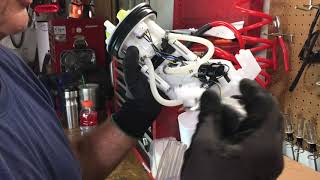
Some earlier models within this generation were also subject to a service bulletin (14-032) for a fuel smell. This was caused by an issue with the fuel filter assembly, which is part of the fuel pump module. The repair involved replacing the fuel filter set with improved parts. While less critical 🎬 See how to fix a fuel smell in your Odyssey. than the stalling recall, it's another known issue related to the fuel pump assembly.
Symptoms of a Failing Fuel Pump

A failing fuel pump will give you clear signs that your engine isn't getting the fuel it needs. The most severe symptom, related to the recall, is sudden engine stalling. Other common symptoms include:
- Engine Cranks but Won't Start: The starter will turn the engine over, but it won't fire up because there's no fuel. You might notice you don't hear the faint 'hum' or 'whine' from the rear of the vehicle when you first turn the key.
- Engine Stalling: The engine may start and run for a bit, then die unexpectedly, especially when it's warm. This is a classic symptom of the recalled pumps seizing. 🎬 Check out this easy fix for engine stalling issues.
- Hesitation or Sputtering Under Load: When you accelerate, go up a hill, or tow, the engine needs more fuel. A weak pump can't keep up, causing the van to hesitate, sputter, or lose power.
- Inaccurate Fuel Gauge: Since the fuel level sender is part of the module, a faulty module can cause your fuel gauge to read empty when full, full when empty, or fluctuate wildly.
- Loud Whining Noise: A failing fuel pump motor may become very loud. If you hear a persistent, high-pitched whining sound coming from the area of the fuel tank, the pump is likely working too hard and on its way out.
Buying a Used 2011-2017 Odyssey Fuel Pump

Buying a used OEM fuel pump can be a cost-effective solution, but for this specific vehicle, it requires careful consideration due to the recall and part variations.
Why Used OEM vs. New Aftermarket?
For a critical component like a fuel pump, a used Original Equipment Manufacturer (OEM) part is often a better choice than a cheap, new aftermarket part. OEM parts are built to the manufacturer's exact specifications for fit and electrical connections. Aftermarket pumps can sometimes have lower quality control, leading to premature failure or compatibility issues with the vehicle's fuel pressure system and gauge.
Inspection Checklist:
- Verify the Part Number: This is the most important step. There is a known split in this generation.
- 2011-2013 Models typically use part numbers 17045-TK8-A00 or the superseding 17045-TK8-A01.
- 2014-2017 Models typically use part numbers 17045-TK8-A10 or 17045-TK8-A11.
- Inspect the Electrical Connector: Check the pins on the top of the pump for any signs of burning, melting, or corrosion. A damaged connector indicates an electrical problem that could have damaged the pump.
- Check the Housing for Cracks: The plastic housing can become brittle over time. Carefully inspect it for any cracks, especially around the mounting points and hose connections.
- Examine the Float Arm: Ensure the fuel level sending unit's float and arm are present and move freely. If the arm is bent or the float is damaged, your fuel gauge will not work correctly.
- The Recall Gamble: Be aware that it is impossible to know if a used pump has the defective impeller from the recall. You are buying the complete, tested module, which may have a perfectly good housing and sending unit, but the pump motor itself carries an inherent risk.
Replacement Overview & Difficulty

Replacing the fuel pump on a 2011-2017 Odyssey is an intermediate-level job that a confident DIYer can perform. The good news is that you do not need to drop the fuel tank.
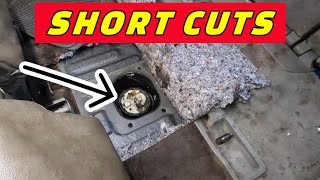
The fuel pump is located under an access panel in the floor, beneath the second-row seats.
- Relieve Fuel Pressure: This is a critical safety step to prevent fuel from spraying everywhere. This is typically done by pulling the fuel pump fuse or relay and running the engine until it stalls.
- Disconnect the Battery: Always disconnect the negative battery terminal before working on the fuel system.
- Access the Pump: Remove the second-row seats and pull back the carpet to expose the metal access panel.
- Remove the Lock Ring: After disconnecting the fuel line and electrical connector, a large plastic or metal ring holds the pump module in place. A special tool is recommended, but it can often be removed by carefully tapping it counter-clockwise with a brass punch and hammer.
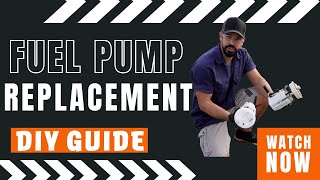
- Swap the Module: Carefully lift the old module out of the tank. Install the new module, taking care not to damage the float arm. Always use a new rubber tank seal. 🎬 Watch this step-by-step guide to replacing your fuel pump.
Warning: Gasoline and its vapors are extremely flammable. Work in a well-ventilated area, have no open flames or sparks nearby, and keep a Class B fire extinguisher on hand.
Cost Comparison
Prices can vary, but this gives a general idea of what to expect:
| Part Type | Estimated Cost |
|---|---|
| New OEM | $350 - $525 |
| New Aftermarket | $100 - $380 |
| Used OEM | $50 - $125 |
| Shop Labor | $250 - $500 |
Frequently Asked Questions (FAQ)
Is there a recall on the 2011-2017 Odyssey fuel pump?
Yes, a major safety recall (NHTSA 23V858000) affects 2013-2017 models for a fuel pump impeller that can fail and cause the engine to stall. It is critical to check if your vehicle is part of this recall.
Do I have to drop the fuel tank to replace the pump?
No. The fuel pump is accessible through a service panel in the floor of the van, under the second-row seats.
Can I just replace the pump motor or do I need the whole assembly?
The part is sold as a complete module including the pump, sending unit, and housing. It is strongly recommended to replace the entire assembly to ensure all components are new and compatible. Trying to replace just the motor inside the plastic housing is difficult and often unreliable.
What's that whining noise from the back of my van?
A loud, high-pitched whine from the fuel tank area is a common sign that the fuel pump motor is failing. It's working too hard to generate pressure and should be replaced soon.
Helpful Videos
Technical Specifications
OEM Part Numbers: 17045-TK8-A00 17045-TK8-A01 17045-TK8-A10 17045-TK8-A11
The fuel pump is a complete in-tank module assembly, including the pump, fuel level sender, strainer, and housing.
We Have This Part in Stock



The information in this article is provided for general reference and educational purposes only. Vehicle specifications, procedures, and part compatibility can vary by production date, trim level, and region. Always consult your vehicle's factory service manual and verify part numbers before purchasing or performing repairs. Safety-critical components such as airbags, seat belts, and braking systems should be installed by a qualified professional.
- Honda Odyssey:
- 🎬 Helpful Videos
- 🛍️ Shop This Part
- Known Issues & Safety Recalls
- Technical Service Bulletin (TSB) for Fuel Smell
- Symptoms of a Failing Fuel Pump
- Buying a Used 2011-2017 Odyssey Fuel Pump
- Inspection Checklist:
- Replacement Overview & Difficulty
- Cost Comparison
- Frequently Asked Questions (FAQ)
- 🎟️ Get 5% Off