

2001-2015 Honda Civic Fuel Pump: A Guide to Failures, Recalls, and Complex Compatibility
This guide covers the common failure symptoms, critical compatibility differences between generations, and how to choose the right used fuel pump for your 2001-2015 Civic.
- For 8th Gen (2006-2011) sedans, you MUST check if the VIN starts with '2' (Canada) or 'J' (Japan) to get the correct fuel pump.
- A loud whine from the rear seat area is the most common early warning sign of fuel pump failure.
- The part is a complete module with an integrated pump, filter, and fuel level sender; replacing the entire assembly is the standard repair.
- A recall was issued for some 2011 models for a cracking fuel pump housing, making physical inspection of used parts critical.
Symptoms of a Failing Honda Civic Fuel Pump

A failing fuel pump rarely quits without warning. The symptoms often start subtly and worsen over time. Recognizing the early signs can prevent you from being stranded.
- Loud Whining or Humming Noise: The most common early symptom is a noticeable whine or hum coming from the rear seat area, directly above the fuel tank. This is the sound of the electric motor inside the pump straining to work. You might hear it most clearly when you first turn the key to the "On" position before starting the engine.
- Engine Hesitation or Sputtering: If the pump can't deliver consistent pressure, the engine may hesitate or sputter, especially under acceleration or at highway speeds.
- Loss of Power: Your Civic may feel sluggish and lack its usual acceleration power because the engine isn't receiving enough fuel to meet demand.
- Engine Cranks But Won't Start: This is the ultimate sign of a dead fuel pump. The starter will turn the engine over, but it won't fire up because there's no fuel reaching the cylinders.
- Stalling: The engine may start and run for a short time before stalling unexpectedly as the pump overheats or fails to maintain pressure. This can be extremely dangerous if it happens in traffic.
- Check Engine Light with Code P0087: If the vehicle's computer detects that fuel pressure is below the required level, it will trigger the Check Engine Light and store the diagnostic trouble code P0087, which means "Fuel Rail/System Pressure - Too Low".
Critical Compatibility: Matching the Right Pump to Your Civic

Not all 2001-2015 Civic fuel pumps are the same. The 15-year span covers three distinct generations, each with unique parts. Ordering the wrong module can result in it not fitting, not working, or causing the fuel gauge to read incorrectly. Always verify compatibility using the donor vehicle's VIN or by matching OEM part numbers precisely.
7th Generation (2001-2005)
For these models, the fuel pump module is a common failure point. Compatibility is generally determined by engine type (e.g., 1.7L) and the original supplier of the part to Honda, such as Kautex or Yachiyo. Key OEM part numbers often begin with prefixes like 17045-S5A- or 16010-S5A-.
8th Generation (2006-2011)
This generation has the most complex compatibility requirements. It is absolutely essential to know your vehicle's details before purchasing a part.
Warning: For 2006-2011 Civic Sedans with the 1.8L engine, you must verify where the vehicle was manufactured. The first digit of your Vehicle Identification Number (VIN) tells you the country of origin. A VIN starting with '2' indicates it was built in Canada, while a VIN starting with 'J' means it was built in Japan. These vehicles use different fuel pump modules.
- Engine Type: Pumps for the 1.8L, 2.0L (Si), and 1.3L (Hybrid) engines are all different and are not interchangeable.
- Body Style: Coupe and Sedan models may use different pumps.
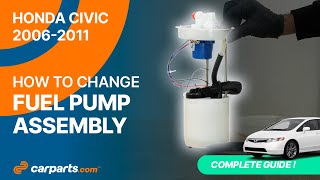
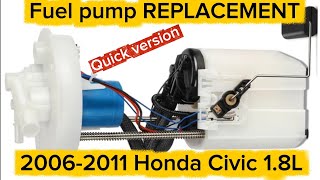
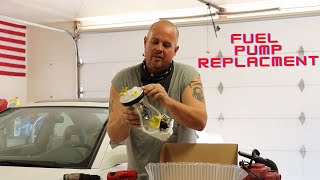
- Part Numbers: Common OEM part numbers for this era begin with 17045-SNA-. For example, part number 17045-SNA-A31 fits many 1.8L coupe and sedan models and supersedes several older numbers. 🎬 See how to replace an 8th Gen Civic fuel pump
9th Generation (2012-2015)
Compatibility for the 9th generation continues to be specific. Factors include engine size (1.8L), body style (Sedan/Coupe), and emissions standards (California vs. Federal). Part numbers for this generation often begin with 17045-TR0-. For instance, 17045-TR0-L00 is specified for certain 1.8L EX/LX sedans built in Japan for the California market.
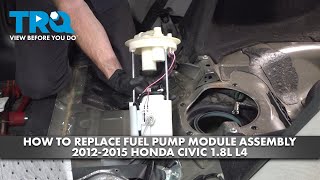
🎬 Watch: 2012-2015 Honda Civic fuel pump replacement guideKnown Issues & Recalls

Recall for 2011 Honda Civic Fuel Pump Module: Honda issued a recall for over 18,000 model-year 2011 Civics. The issue was that a part within the fuel pump module, the roll-over valve, could have been damaged during manufacturing. This could potentially cause a fuel leak in a rollover crash, increasing the risk of fire. The fix was for dealers to inspect and, if necessary, replace the entire fuel pump module. This is a key reason to inspect the plastic housing of a used pump for any cracks or damage.
Buying a Used 2001-2015 Civic Fuel Pump: What to Check
A low-mileage, used OEM fuel pump can be a reliable and cost-effective alternative to expensive new OEM parts or lower-quality aftermarket units. The original Honda/Denso pumps are well-regarded, and a used one avoids the potential for poor fitment or inaccurate fuel level readings common with cheap copies.
- Verify Compatibility First: This is the most important step. Get the part number from the used pump and ensure it matches what is required for your Civic's year, model, engine, and build location (especially for 8th gen sedans). If possible, get the VIN of the car it came from.
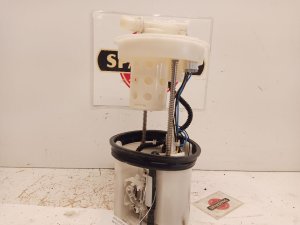
- Inspect the Plastic Housing: Carefully check the entire white plastic module assembly, especially around the top where the fuel lines connect. Look for any hairline cracks, discoloration, or signs of previous leaks. The 2011 recall highlights that this area can be fragile.
- Check the Electrical Connector: The pins inside the electrical connector should be clean and free of corrosion or any signs of burning/melting. A burnt pin indicates a pump that was overheating and failing.
- Examine the Fuel Strainer (Sock): If visible, look at the condition of the fuel strainer at the bottom of the pump. If it is black and full of sediment, the pump was likely operating in a dirty tank and may have a shortened lifespan.
- Consider Mileage: A fuel pump from a vehicle with under 100,000 miles is a reasonable choice. A pump from a car with over 150,000 miles carries a higher risk of near-future failure.
Replacement Overview & Difficulty

Replacing the fuel pump on a 2001-2015 Civic is a moderately difficult job that a skilled DIYer can perform. The pump is located in the fuel tank, accessible by removing the rear seat bottom cushion.
Warning: This job involves working with raw gasoline and flammable vapors. Work in a well-ventilated area, disconnect the battery, and have a fire extinguisher nearby. Do not create sparks or use open flames.
- Difficulty: 3 out of 5
- Estimated Time: 1.5 - 2.5 hours
- General Steps:
- Relieve fuel system pressure. This is typically done by removing the fuel pump relay and running the engine until it stalls. The relay is behind the glove box on 7th gen models and under the driver's dash on 8th gen models.
- Disconnect the negative battery terminal.
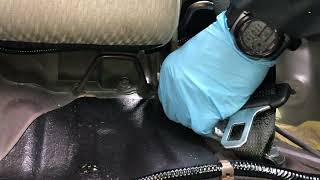
- Remove the rear seat bottom cushion.
- Remove the metal access cover plate with a screwdriver.
- Disconnect the electrical connector and fuel lines from the top of the pump module.
- Unscrew the large plastic lock ring that holds the pump module in the tank. A special tool is recommended, but it can often be done carefully using a brass punch and a hammer to avoid sparks.
- Carefully lift the old pump module out of the tank, taking care not to bend the float arm.
- Installation is the reverse of removal. Always use a new rubber gasket/seal for the tank opening.
Cost Comparison: Civic Fuel Pump Replacement
Prices can vary significantly based on the part source and who performs the labor.
| Part Source / Service | Estimated Cost |
|---|---|
| New OEM (Dealer) | $450 - $900 (part only) |
| New Aftermarket | $75 - $450 (part only) |
| Used OEM | $50 - $175 (part only) |
| Shop Labor | $210 - $310 |
Frequently Asked Questions (FAQ)
Where is the fuel pump located on a 2001-2015 Honda Civic?
The fuel pump is located inside the gas tank. You can access the top of it by removing the rear seat bottom cushion and then taking off a small metal service cover found underneath.
How do I know if my 2006-2011 Civic Sedan was built in Canada or Japan?
Check the first character of your car's 17-digit VIN. If the VIN starts with a '2', it was assembled in Canada. If it starts with a 'J', it was assembled in Japan. This is critical for ordering the correct fuel pump for 1.8L sedans of this generation.
What was the 2011 Civic fuel pump recall about?
The recall (NHTSA Campaign ID not widely published, but announced in March 2011) was for a potential manufacturing defect in the fuel pump module's roll-over valve. In a rollover accident, the defect could cause a fuel leak, increasing fire risk. It was not related to the pump's operational performance but is a good reason to inspect any used pump for cracks.
Should I replace the whole fuel pump assembly or just the motor inside?
It is strongly recommended to replace the entire fuel pump module assembly. The module includes the pump, sending unit, and the fuel filter. Since the filter is integrated, replacing the whole unit ensures all related components are new and clean. While replacing just the motor is cheaper, it is a more complex job and does not address a clogged filter or a faulty fuel gauge sender.
Helpful Videos



Technical Specifications
OEM Part Numbers: 16010-S5A-932 17040-S5A-930 17045-S5A-A00 17045-S5A-A30 17045-S5A-A31 17045-SNA-A00 17045-SNA-A01 17045-SNA-A02 17045-SNA-A30 17045-SNA-A31 17045-SNA-A32 17045-TR0-L00 17045-TR0-A11 17045-TR0-A50
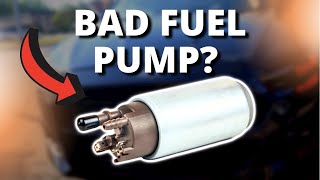
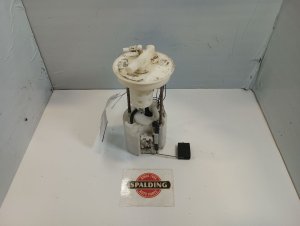
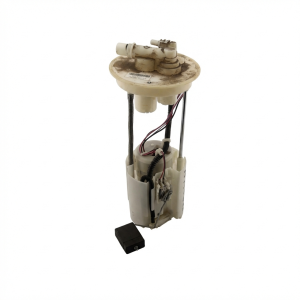
The fuel pump is a complete module assembly located in the fuel tank. It includes the electric pump motor, fuel strainer, fuel filter, and fuel level sending unit. Access is under the rear seat cushion.
We Have This Part in Stock



The information in this article is provided for general reference and educational purposes only. Vehicle specifications, procedures, and part compatibility can vary by production date, trim level, and region. Always consult your vehicle's factory service manual and verify part numbers before purchasing or performing repairs. Safety-critical components such as airbags, seat belts, and braking systems should be installed by a qualified professional.
- Honda Civic:
- 🎬 Helpful Videos
- 🛍️ Shop This Part
- Symptoms of a Failing Honda Civic Fuel Pump
- Critical Compatibility: Matching the Right Pump to Your Civic
- 7th Generation (2001-2005)
- 8th Generation (2006-2011)
- 9th Generation (2012-2015)
- Known Issues & Recalls
- Buying a Used 2001-2015 Civic Fuel Pump: What to Check
- Replacement Overview & Difficulty
- Cost Comparison: Civic Fuel Pump Replacement
- Frequently Asked Questions (FAQ)
- 🎟️ Get 5% Off