

2014-2018 Ford Transit Connect Fuel Pump: Engine & Emissions Fitment Guide
This guide covers the critical compatibility differences, failure symptoms, recalls, and replacement costs for the 2014-2018 Ford Transit Connect fuel pump.
- Compatibility is critical and depends on engine (1.6L vs 2.5L), build date (for 2014 1.6L), and emissions (for 2017-18 2.5L).
- A major safety recall (15S13) was issued for 2014 models for fuel pumps that could seize and cause the engine to stall.
- Common failure symptoms include engine hesitation, difficulty starting, stalling, and a distinct whining noise from the fuel tank area.
- Replacement is a difficult job that requires dropping the fuel tank and should generally be left to professional mechanics.
Critical Compatibility Warnings

Before purchasing a fuel pump for a 2014-2018 Ford Transit Connect, you must verify your vehicle's engine, build date, and emissions system. Ordering the wrong part is a common and costly mistake. There are three distinct variations for this generation.
For 2014 Models with 1.6L Turbo Engine: A specific fuel pump fits models that were built on or before March 23, 2014. If your vehicle was built after this date, this part will not fit. Always verify your vehicle's production date before ordering.
For Models with 2.5L Engine: This fuel pump assembly fits all 2014-2018 models with the 2.5L engine, but with a specific requirement for later years. For 2017-2018 models, this part is only for vehicles with California (50-state compliant) emissions. Check the emissions sticker under your hood to confirm before purchasing.
Symptoms of a Failing Fuel Pump

A failing fuel pump rarely stops working suddenly. It usually provides several warning signs as it wears out. Paying attention to these symptoms can prevent you from being stranded.
- Engine Sputtering or Hesitation: The vehicle may sputter or hesitate, especially at highway speeds or under acceleration, as the weak pump struggles to supply enough fuel.
- Loss of Power: You might notice the engine feels weak, especially when climbing hills or carrying a heavy load. This happens because the fuel demand increases, and the failing pump can't keep up.
- Difficulty Starting: A weak pump may not build enough pressure to start the engine easily. You might experience long crank times before the engine finally starts, or it may not start at all.
- Engine Stalling: The engine may stall unexpectedly, sometimes after running for a while. This can be particularly dangerous if it happens in traffic.
- Whining Noise from the Fuel Tank: A common early sign of failure is a high-pitched whining or humming sound coming from the rear of the vehicle, near the fuel tank. This is the sound of the electric motor inside the pump straining to work.
- Sudden Surging: The vehicle might unexpectedly surge or lurch forward as the pump delivers fuel inconsistently.
Known Issues, Recalls, and Technical Service Bulletins (TSBs)

There have been significant fuel-system-related recalls for this generation of the Ford Transit Connect.
Safety Recall 15S13 (NHTSA ID 14V-703)
Ford issued a major recall for certain 2014 Transit Connect vehicles due to an issue with the nickel plating on the fuel pump, which could cause it to seize. This failure can result in a vehicle that won't start or, more dangerously, an engine that stalls without warning while driving, increasing the risk of a crash. The recall involved replacing the entire fuel delivery module free of charge. Before purchasing a used part, it is wise to check if your vehicle was affected by this recall and if the repair was completed.
Safety Recall 14S24
Another recall was issued for some 2014 Transit Connects with the 2.5L engine for incorrectly routed fuel and vapor lines. These lines could rub together, potentially causing a fuel leak over time, which poses a fire risk. While not a defect of the pump itself, it's a critical fuel system issue to be aware of for this model year.
Buying a Used Fuel Pump: What to Check

A used OEM fuel pump can be a reliable and cost-effective alternative to expensive new parts, especially when compared to cheap, low-quality aftermarket options. However, careful inspection is key.
- Verify the Part Number: This is the most important step. Due to the specific fitment requirements for engine, build date, and emissions, you must match the part number from your old pump to the used one. Do not rely on visual comparison alone.
- Inspect the Electrical Connector: Check the plastic connector and pins for any signs of melting, corrosion, or damage. A burnt connector indicates an electrical problem that could have damaged the pump.
- Check for Physical Damage: Inspect the plastic housing of the pump assembly for any cracks or signs of impact. The float arm, which reads the fuel level, should move freely without binding.
- Consider the Mileage: While a fuel pump can last over 100,000 miles, it is a wear item. Opt for a pump from a lower-mileage vehicle when possible to ensure a longer service life.
- Why Used OEM is Often Better: An original Ford (or Motorcraft) fuel pump was designed specifically for your vehicle's electrical and fuel systems. Many aftermarket pumps are built to lower quality standards and can fail prematurely, cause incorrect fuel gauge readings, or be noisier than the original. A low-mileage used OEM part is often a more reliable choice than a new, non-OEM part.
Replacement Overview
Replacing the fuel pump on a Ford Transit Connect is a moderately difficult job that typically requires dropping the fuel tank. 🎬 Watch this step-by-step guide on how to replace the pump. This is not a simple bolt-on repair and involves working with the fuel system, which has inherent risks.
- Difficulty: 4 out of 5
- Estimated Time: 2.5 - 4 hours
- DIY Feasible: For experienced mechanics only.
Pro Tip: It is much safer and easier to remove the fuel tank when it is as empty as possible. A full tank of gasoline is extremely heavy and hazardous to work with.
Warning: Always disconnect the battery before beginning any work on the fuel system. Work in a well-ventilated area and have a fire extinguisher rated for gasoline fires nearby. Fuel vapors are highly flammable.
Cost Comparison
The cost of replacing a fuel pump can vary significantly based on the part source and labor rates.
| Part Type | Estimated Cost |
|---|---|
| New OEM (Ford/Motorcraft) | $250 - $415 |
| New Aftermarket | $75 - $300 |
| Used OEM | $75 - $150 |
| Shop Labor | $350 - $515 |
Frequently Asked Questions (FAQ)
Can I just replace the motor instead of the whole assembly?
It is highly recommended to replace the entire fuel pump module assembly. The assembly includes the pump motor, fuel level sending unit (float), strainer, and housing. These components are designed to work together, and replacing the whole unit ensures all parts are new or in good working order, preventing a repeat repair if another part of the old assembly fails.
Do I need to replace the fuel filter at the same time?
Yes. A clogged fuel filter can cause the new pump to work harder and fail prematurely. The fuel strainer is part of the pump assembly, but you should also replace the in-line fuel filter if your vehicle is equipped with one.
What causes a fuel pump to fail?
The most common cause of failure is wear and tear over time. The electric motor simply wears out. Other causes include contamination from debris or rust in the fuel tank, or consistently running the vehicle on a very low tank of fuel. The gasoline in the tank helps cool the pump motor, and running it low can cause the pump to overheat.
Is there a fuse or relay I should check first?
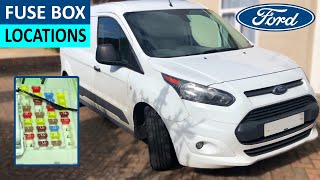
Yes. Before assuming the pump has failed, always check the fuel pump fuse and relay. A blown fuse or a faulty relay can mimic the symptoms of a bad pump and are much cheaper and easier to fix.
🎬 Check this video to locate your fuel pump relay and fuses.Helpful Videos

Technical Specifications
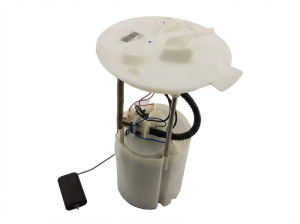
OEM Part Numbers: DV619H307CA DV619H307CB DV619H307CC DV619H307DB DV6Z9H307A DV6Z9H307B DV6Z9H307F DV6Z9H307G DV6Z9H307R DV6Z9H307S FV619H307BB FV619H307BC FV6Z9H307H PFS1087 PFS1183
In-tank turbine-style electric fuel pump module assembly. Includes pump, sending unit, and strainer.
We Have This Part in Stock



The information in this article is provided for general reference and educational purposes only. Vehicle specifications, procedures, and part compatibility can vary by production date, trim level, and region. Always consult your vehicle's factory service manual and verify part numbers before purchasing or performing repairs. Safety-critical components such as airbags, seat belts, and braking systems should be installed by a qualified professional.
- Ford Transit Connect:
- 🎬 Helpful Videos
- 🛍️ Shop This Part
- Critical Compatibility Warnings
- Symptoms of a Failing Fuel Pump
- Known Issues, Recalls, and Technical Service Bulletins (TSBs)
- Safety Recall 15S13 (NHTSA ID 14V-703)
- Safety Recall 14S24
- Buying a Used Fuel Pump: What to Check
- Replacement Overview
- Cost Comparison
- Frequently Asked Questions (FAQ)
- 🎟️ Get 5% Off