

2006-2014 Mustang Fuel Pump: Why It Stalls With Half a Tank of Gas
This guide explains the unique two-pump fuel system in the S197 Mustang and how to diagnose and replace the often-misunderstood passenger-side transfer pump.
- The primary symptom of failure is the engine stalling when the fuel gauge reads between 1/4 and 1/2 full.
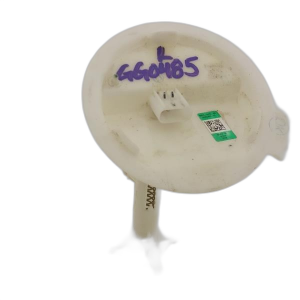
- This Mustang generation uses a two-part fuel system in a saddle tank; this part is the passenger-side transfer pump, not the main pump.
- Ford TSB 10-21-3 addresses this exact issue, pointing to a fuel transfer problem between the two sides of the tank.
- Replacement is DIY-friendly as the pump is accessible by removing the rear seat cushion, without needing to drop the fuel tank.
The Saddle Tank Problem: Stalling with a Full Tank

The most common and confusing issue with the 2006-2014 Mustang fuel system is when the engine stalls as if it's out of gas, but the fuel gauge reads between 1/4 and 1/2 full. This happens because the Mustang has two fuel level sensors—one on each side of its saddle-shaped tank. The fuel gauge displays an average of these two readings.
The main fuel pump is on the driver's side. The passenger side contains a transfer pump assembly (this part) that siphons fuel from the right side of the tank and sends it to the driver's side. When this passenger-side transfer pump fails, it can no longer move fuel across the tank's central hump. The main pump on the driver's side runs its section of the tank dry, starving the engine of fuel and causing a stall. Meanwhile, the passenger side remains full of unusable fuel, tricking the gauge into showing a higher-than-actual fuel level.
Symptoms of a Failing Right-Side Fuel Pump

Diagnosing this part is straightforward if you know what to look for. The symptoms are very specific to its function.
- Engine stalls with 1/4 to 1/2 tank on the gauge: This is the most definitive symptom. The car will behave exactly as if it has run out of gas, but the gauge will indicate otherwise.
- Fuel gauge drops suddenly to empty: The vehicle's computer may detect a large difference between the two fuel level sensors and, as a safety measure, drop the gauge to 'E' and trigger the low fuel light to warn the driver of a potential issue.
- Car only accepts 7-10 gallons when refueling: After stalling, if you go to refuel, you'll find the tank only takes about half of its 15-16 gallon capacity, confirming that one side of the tank was still full.
- Whining noise from the fuel tank: Like any electric pump, a failing unit may produce a noticeable whining or humming sound from the rear seat area.
- Hesitation or loss of power at low fuel levels: Before it fails completely, the pump may struggle to transfer fuel efficiently, causing the engine to sputter or lose power when the gauge approaches the 1/4 mark, especially during cornering.
Known Issues, TSBs, and Recalls
While there are no specific NHTSA recalls for this fuel pump issue on 2006-2014 Mustangs, Ford did issue a Technical Service Bulletin (TSB) for a nearly identical problem.
TSB 10-21-3: Fuel Gauge Drops to Empty
This TSB was released for 2011 Mustangs exhibiting the classic symptoms: the fuel gauge dropping from 1/2 tank to empty and the car only taking a partial fill-up. Ford identified the cause as a potential internal restriction in the main Fuel Pump Module (FPM) on the driver's side, which prevented it from properly siphoning fuel from the passenger side. The TSB recommends replacing the FPM. Although this TSB targets the main pump, the symptoms are identical to a failure of the passenger-side transfer pump, and the issue is widely reported by owners of all model years in this generation.
Compatibility Warning: This is the right (passenger side) fuel transfer pump assembly. It is NOT the main (left side) fuel pump that sends fuel to the engine. Please verify this is the correct side for your needs before ordering.
Buying a Used 2006-2014 Mustang Fuel Pump: What to Check

A used OEM fuel pump assembly can be a reliable and cost-effective alternative to a new part, especially when compared to cheap aftermarket units which may have lower quality standards. Here’s what to inspect:
- Verify the Part Number: Check the part number on the unit against the list of known OEM numbers to ensure compatibility.
- Inspect the Plastic Housing: Look for any cracks, deep scratches, or signs of heat damage on the white plastic assembly. The housing should be intact and free from warping.
- Check the Electrical Connector: The pins in the electrical connector should be straight and free of corrosion. Any green or white crust indicates moisture intrusion, and the part should be rejected.
- Examine the Fuel Level Sender: The float arm should move freely without binding. The float itself should be intact and not saturated with fuel.
- Look at the Strainer: While the small filter sock at the bottom is often discolored, it should not be clogged with heavy debris or sludge.
- Ask About the Donor Vehicle: If possible, find out the mileage of the vehicle the part came from. A pump from a lower-mileage vehicle is always preferable.
Pro Tip: When you receive your used pump, it's a good idea to replace the small fuel strainer or 'sock' on the bottom. It's an inexpensive part that ensures clean fuel is transferred to the main pump.
Cost Comparison: New vs. Used
Prices for a replacement passenger-side fuel pump assembly can vary significantly. Here is an estimated breakdown:
| Part Type | Estimated Cost |
|---|---|
| New OEM (Ford/Motorcraft) | $360 - $510 |
| New Aftermarket | $150 - $280 |
| Used OEM | $75 - $150 |
| Shop Labor Cost | $160 - $300 |
Replacement Overview

Replacing the passenger-side fuel pump is a manageable DIY job for those with basic mechanical skills. Unlike older Mustangs that required dropping the fuel tank, this generation provides access through a cover under the rear seat cushion.
- Relieve Fuel Pressure: Remove the fuel pump fuse from the fuse box and run the engine until it stalls.
- Disconnect the Battery: Disconnect the negative battery terminal as a safety precaution.
- Remove the Rear Seat: The rear seat bottom cushion typically pops out by pulling up firmly on the front edge.
- Access the Pump: Under the seat, you will find a metal access cover on the passenger side. Remove the screws to expose the top of the fuel pump assembly.
- Disconnect and Remove: Carefully disconnect the electrical connector and fuel lines. Use a specialized tool or a brass punch and hammer to carefully rotate and remove the lock ring holding the pump in place.
- Install the New Pump: Gently lift the old unit out and install the new one, ensuring the new tank seal is seated correctly. Reinstall the lock ring, connect the lines and electrical connector, and reassemble.
OEM Part Numbers
This part has been updated several times by Ford. The following part numbers are known to be associated with the right-side fuel pump assembly for this generation. Always verify fitment with the vehicle's VIN.
- 6R3Z-9H307-AA (superseded by 7R3Z-9H307-C)
- 7R3Z-9H307-A
- 7R3Z-9H307-C
- BR3Z-9H307-B (referenced in TSB 10-21-3)
- CR3Z-9H307-A
- CR3Z-9H307-B
- PFS952 (Motorcraft)
Frequently Asked Questions (FAQ)
Can I just replace the driver's side pump to fix the stalling issue?
Not necessarily. If the car stalls with fuel still in the tank, the problem is that fuel isn't being transferred from the passenger side to the driver's side. This is the job of the passenger-side transfer pump. Replacing only the driver's side pump may not solve the fuel transfer issue.
Is it safe to drive if I suspect my transfer pump is failing?
No. A failing transfer pump can cause the engine to stall unexpectedly at any time the driver's side of the tank runs low, regardless of the fuel gauge reading. Stalling in traffic can lead to a crash. It is best to get the vehicle repaired as soon as possible.
Why does my Mustang have two fuel pumps?
Technically, it has one main electric fuel pump and one transfer pump (jet pump). This is because the fuel tank is shaped like a saddle to go over the driveshaft. The transfer pump on the passenger side is needed to move fuel over the hump to the main pump on the driver's side.
Do I need any special tools for the replacement?
The most important special tool is a fuel pump lock ring tool. While some people use a hammer and a brass punch to remove the ring, using the proper tool is safer and reduces the risk of damaging the plastic lock ring or the fuel tank. You may also need a fuel line disconnect tool.
Technical Specifications
OEM Part Numbers: 6R3Z-9H307-AA 7R3Z-9H307-A 7R3Z-9H307-C BR339275AB BR339H307AB BR3Z9275A BR3Z9275B BR3Z9H307B CR339H307AD CR3Z-9H307-B CR3Z9H307A PFS952
Right Side (Passenger Side) Fuel Transfer Pump and Sender Assembly for saddle-style fuel tank.
We Have This Part in Stock





The information in this article is provided for general reference and educational purposes only. Vehicle specifications, procedures, and part compatibility can vary by production date, trim level, and region. Always consult your vehicle's factory service manual and verify part numbers before purchasing or performing repairs. Safety-critical components such as airbags, seat belts, and braking systems should be installed by a qualified professional.
- Ford Mustang:
- 🛍️ Shop This Part
- The Saddle Tank Problem: Stalling with a Full Tank
- Symptoms of a Failing Right-Side Fuel Pump
- Known Issues, TSBs, and Recalls
- TSB 10-21-3: Fuel Gauge Drops to Empty
- Buying a Used 2006-2014 Mustang Fuel Pump: What to Check
- Cost Comparison: New vs. Used
- Replacement Overview
- OEM Part Numbers
- Frequently Asked Questions (FAQ)
- 🎟️ Get 5% Off