

2011-2013 Ford Fiesta Fuel Pump: Diagnosing Stalling and No-Start Issues
A complete guide to identifying fuel pump failure, performing a diagnosis, and understanding replacement options for the 2011-2013 Ford Fiesta.
- Engine stalling in traffic is the most critical symptom of a failing fuel pump in a 2011-2013 Fiesta.
- Before replacing the pump, always check the fuel pump fuse (F11, behind glove box) and relay (R11/R13, engine bay) first.
- Replacement is accessible under the rear seat, making it a feasible DIY job without fully dropping the fuel tank.
- Due to reported fitment issues with aftermarket units, a low-mileage used OEM pump is often a more reliable and cost-effective choice.
Symptoms of a Failing 2011-2013 Ford Fiesta Fuel Pump

When the fuel pump begins to fail, it can't supply the engine with a steady stream of fuel, leading to a variety of performance problems. These symptoms often start intermittently and worsen over time.
- Engine Stalling: The most common and dangerous symptom is the engine stalling unexpectedly while driving, especially at lower speeds or when coming to a stop. Many owners of this generation Fiesta have reported stalling issues.
- Difficulty Starting or No-Start: The engine may crank for an extended period before starting, or it may not start at all. This happens because the pump isn't building enough initial pressure to supply the injectors.
- Hesitation or Loss of Power: When accelerating, going uphill, or carrying a heavy load, the car may feel sluggish, hesitate, or sputter. This indicates the weak pump can't keep up with the engine's increased demand for fuel.
- Whining Noise from the Rear Seat Area: A failing fuel pump motor will often make a loud, high-pitched whining or buzzing sound that can be heard from inside the car, near the fuel tank. A healthy pump makes a quiet hum for a couple of seconds when you first turn the key.
- Engine Sputtering or Misfiring: At steady highway speeds, the engine might sputter or feel like it's momentarily cutting out because the pump can't maintain consistent pressure.
- Check Engine Light: While not always present, a failing fuel pump can sometimes trigger a Check Engine Light with codes related to low fuel pressure, such as P0087 (Fuel Rail/System Pressure - Too Low).
Step-by-Step Diagnosis


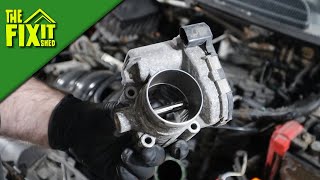
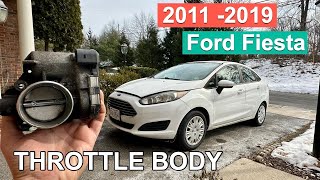
Before assuming the pump is bad, follow these steps to rule out simpler issues. Stalling and no-start problems on the Fiesta can also be caused by a faulty throttle body, so a proper diagnosis is key.
- Listen for the Pump: Have a helper turn the ignition key to the 'On' position (without starting the engine). You should hear a faint 2-second hum from the rear seat area as the pump primes the system. If you hear nothing, the pump is likely not getting power or has failed completely.
- Check the Fuses and Relays: The next step is to check the components that power the pump.
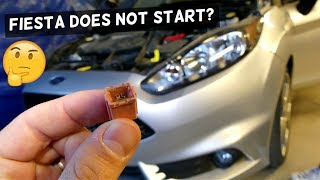
- Fuel Pump Fuse: The primary fuel pump fuse is located in the passenger compartment fuse panel, which is behind the glove box. Look for fuse F11, which should be a 30A fuse. 🎬 Watch this video to find the fuel pump fuse location.
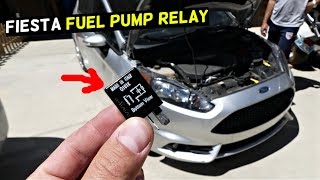
- Fuel Pump Relay: The fuel pump relay is in the power distribution box in the engine compartment. It is typically labeled as R11 or R13 on the fuse box cover diagram. You can try swapping it with an identical relay (like the one for the horn) to see if the pump then primes.
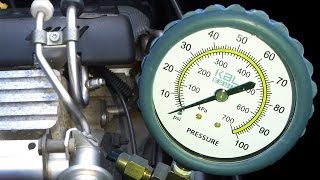
- Perform a Fuel Pressure Test: This is the definitive test. You will need a fuel pressure test gauge. The 2011-2013 Fiesta does not have an easy test port on the fuel rail, so you must install a T-adapter in the fuel line between the supply line and the fuel rail to connect the gauge. 🎬 See how to perform a professional fuel pressure test. With the gauge connected, turn the key on. The pressure should be within 55 to 70 PSI. If the pressure is low, nonexistent, or drops off quickly, the fuel pump is faulty.
Warning: Always relieve fuel system pressure before disconnecting any fuel lines. Gasoline is highly flammable. Work in a well-ventilated area and keep fire extinguishers nearby. Disconnect the battery before starting work.
Buying a Used Fuel Pump for Your 2011-2013 Fiesta

For this specific vehicle, a high-quality used OEM fuel pump is often a smarter and more reliable choice than a cheap, new aftermarket unit. Here’s what to look for.
Why Used OEM is Often Better
The fuel pump assembly is a precision part. Aftermarket pumps, especially budget-friendly ones, are notorious for two major issues on the Fiesta: fitment problems and inaccurate fuel gauge readings. Some owners report that aftermarket assemblies are physically too tall to allow the lock ring to be reinstalled, even when listed as a direct fit. Furthermore, the sending units on cheap pumps often fail early or send incorrect signals, resulting in a gas gauge that is always wrong. A used OEM unit from a low-mileage vehicle avoids these issues, providing the original factory fit, quality, and reliability.
What to Inspect
- Part Number Verification: Match the part number on the used pump with your original. Known compatible OEM numbers include AE819H307AB, AE819H307AC, AE8Z9H307C, and the superseding number AE8Z9H307G.
- Electrical Connector: Inspect the electrical connector pins. They should be clean, straight, and free of any corrosion or signs of overheating (discoloration, melted plastic).
- Plastic Housing: Check the entire plastic assembly for cracks, especially around the fuel line nipples and the top hat where the lock ring sits. A cracked housing can cause dangerous fuel leaks.
- Fuel Strainer: The strainer (the 'sock' at the bottom) will likely be discolored, but it shouldn't be caked in heavy black sludge or debris, which could indicate it came from a tank with contaminated fuel.
- Mileage and Source: Whenever possible, choose a pump from a vehicle with the lowest possible mileage. Reputable recyclers will provide this information. Avoid pumps that have been sitting exposed to the elements.
Known Issues, Recalls, and TSBs
There are no major recalls specifically for the fuel pump on the 2011-2013 Ford Fiesta in the North American market. A recall (14S30) was issued for the fuel pump on some 2014-2015 models, but this does not apply to the vehicles covered in this guide. However, engine stalling is a widely reported complaint from owners of this generation. While the fuel pump is a common cause, these symptoms can also be linked to a faulty electronic throttle body. It is important to perform a full diagnosis before replacing parts.
Replacement Overview & Difficulty
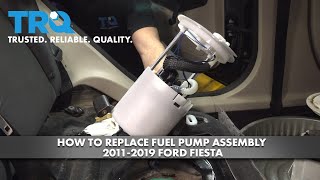
Replacing the fuel pump on a 2011-2013 Fiesta is a moderately difficult job that a skilled DIY mechanic can perform. The primary advantage is that the pump is accessible from under the rear seat, so you do not have to completely drop the fuel tank.
- Difficulty: 3 out of 5
- Estimated Time: 1.5 - 2.5 hours
- Process Summary: The process involves disconnecting the battery, removing the rear seat cushion, and peeling back a rubber cover to access the top of the fuel tank. After disconnecting the fuel line and electrical connector, a large plastic lock ring must be unscrewed (often requiring a brass punch and hammer or a special tool). Some technicians recommend slightly loosening the fuel tank straps underneath the car to allow the tank to drop by an inch, providing better clearance to remove and install the lock ring and pump assembly without a struggle. After swapping the pump and the main seal, the process is reversed. 🎬 Watch a complete step-by-step fuel pump replacement walkthrough.
Pro Tip: Always use a new fuel pump seal/gasket when replacing the pump. Reusing the old one can lead to fuel leaks and evaporative emissions codes.
Cost Comparison: Fiesta Fuel Pump Replacement
| Part/Service | Estimated Cost |
|---|---|
| New OEM (Dealer) | $225 - $400 |
| New Aftermarket | $75 - $200 |
| Used OEM (Recycled) | $50 - $95 |
| Shop Labor Cost | $140 - $400 |
Frequently Asked Questions (FAQ)
Do I have to replace the whole fuel pump assembly?
Yes. The fuel pump, fuel pressure regulator, and fuel level sending unit are integrated into a single module. It is sold and replaced as one complete assembly. This ensures all related components are new and functioning correctly.
Should I check the fuel pump relay first?
Absolutely. The fuel pump relay is a common failure point and is much cheaper and easier to replace than the pump itself. It's located in the engine bay fuse box (typically position R11 or R13). Checking the fuse (F11, behind the glove box) is also a critical first step.
Will a bad fuel pump always trigger a Check Engine Light?
No. In the early stages of failure, the pump may be weak but still operating within the parameters that the car's computer monitors. You can experience symptoms like hesitation, long crank times, or stalling without any warning light on the dash.
Is it safe to drive my Fiesta with a failing fuel pump?
No, it is not safe. The primary risk is the engine stalling without warning while you are driving. This can happen at any speed and could leave you stranded in a dangerous situation, such as in the middle of an intersection or on the highway, increasing the risk of a crash.
Helpful Videos
Technical Specifications
OEM Part Numbers: AE819H307AB AE819H307AC AE8Z9H307C AE8Z9H307G
Type: In-tank electric fuel pump module Operating Pressure: Approx. 55-70 PSI Voltage: 12V Connector: 4-pin
We Have This Part in Stock


The information in this article is provided for general reference and educational purposes only. Vehicle specifications, procedures, and part compatibility can vary by production date, trim level, and region. Always consult your vehicle's factory service manual and verify part numbers before purchasing or performing repairs. Safety-critical components such as airbags, seat belts, and braking systems should be installed by a qualified professional.
- Ford Fiesta:
- 🎬 Helpful Videos
- 🛍️ Shop This Part
- Symptoms of a Failing 2011-2013 Ford Fiesta Fuel Pump
- Step-by-Step Diagnosis
- Buying a Used Fuel Pump for Your 2011-2013 Fiesta
- Why Used OEM is Often Better
- What to Inspect
- Known Issues, Recalls, and TSBs
- Replacement Overview & Difficulty
- Cost Comparison: Fiesta Fuel Pump Replacement
- Frequently Asked Questions (FAQ)
- 🎟️ Get 5% Off