

1999-2004 Mustang Fuel Pump Driver Module: Stalling, No-Start & Diagnosis Guide
Your complete guide to diagnosing and replacing the Fuel Pump Driver Module (FPDM) that can cause sudden stalling and no-start conditions in 1999-2004 SN95 Mustangs.
- The FPDM on a 1999-2004 Mustang is 100% plug-and-play and does NOT require any programming.
- It is located in the trunk on the driver's side, protected from weather, so failure is due to electronics, not corrosion.
- Key symptoms of failure are sudden stalling, a crank-no-start condition, and the OBD-II code P1233.
- A used OEM module is a reliable and budget-friendly alternative to expensive new or potentially lower-quality aftermarket parts.
Symptoms of a Failing 1999-2004 Mustang FPDM

A failing Fuel Pump Driver Module can mimic the symptoms of a bad fuel pump, making diagnosis tricky. Because the module is responsible for powering the pump, its failure cuts off fuel to the engine. Symptoms are often intermittent at first and worsen over time.
- Engine Stalling: The most common and dangerous symptom is the engine suddenly shutting off while driving, as if you've run out of gas. This can happen at any speed and may be unpredictable.
- No-Start or Hard Starting: The engine will crank over but won't fire up, or it may take an unusually long time to start. This happens because the FPDM isn't activating the fuel pump when you turn the key.
- Hesitation or Stumbling on Acceleration: When you press the gas, the car may hesitate, stumble, or lose power because the FPDM isn't commanding the fuel pump to deliver more fuel under load.
- Rough Idle: An inconsistent voltage supply to the fuel pump can cause fluctuating fuel pressure, leading to a rough or unstable idle.
- Check Engine Light (CEL): A fault in the FPDM or its circuits will often trigger a Check Engine Light. Common trouble codes include P1233 (Fuel Pump Driver Module Disabled or Offline) and P1237 (Fuel Pump Secondary Circuit Fault).
Pro Tip: When you turn the key to the 'On' position (without starting the engine), you should hear a faint 2-3 second hum from the rear of the car as the fuel pump primes the system. If you don't hear this sound, the FPDM is a likely culprit.
Diagnosing the FPDM

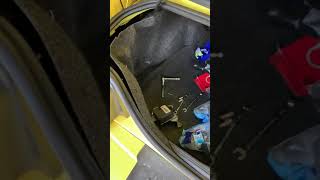
If you suspect the FPDM is faulty, a few diagnostic steps can help confirm the issue. The FPDM on the 1999-2004 Mustang is located inside the trunk on the driver's side, mounted to the inner quarter panel structure, usually near the inertia switch.
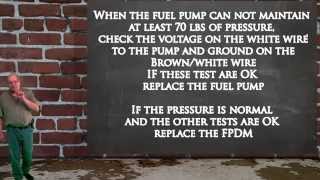
- Check for OBD-II Codes: Use a code scanner to check for stored trouble codes. P1233 is a strong indicator of an FPDM-related issue. 🎬 Watch this step-by-step diagnostic video for P1233 codes.
- Verify Power at the Inertia Switch: The inertia switch (the red button in the trunk) must be pressed down. It receives power and sends it to the FPDM. A tripped switch will cut power.
- Inspect the Module and Connector: Pull back the trunk liner to access the module. Check the electrical connector for any signs of corrosion, damage, or loose pins. While these modules are not prone to the same external corrosion as those on Ford trucks, a bad connection can cause the same problems.
Buying a Used Fuel Pump Driver Module

A used OEM Fuel Pump Driver Module is an excellent, cost-effective repair option for a 1999-2004 Mustang. Since these modules are simple electronics and located in the protected environment of the trunk, a tested, working unit from a recycled vehicle is often just as reliable as a new part.
- No Programming Required: The FPDM for this generation of Mustang is a direct plug-and-play part. It does not need to be programmed, flashed, or matched to your vehicle's VIN. This makes replacement simple for DIYers and professionals alike.
- Physical Inspection: When buying a used module, inspect the case for cracks or damage. Ensure the electrical pins in the connector are straight, clean, and free of corrosion.
- Part Number Verification: Match the part number on your original module to the replacement. The most common OEM part number is XR3Z-9D372-AC. Other compatible numbers include XR3F-9D372-AC, XR3F-9D372-AD, and XR3F-9D372-AE.
- Why Used OEM is a Smart Choice: An original Ford part is built to the exact specifications for your vehicle's fuel system. Unlike some aftermarket alternatives that may use lower-quality components, a used OEM module provides proven reliability without the high cost of a new dealer part.
Cost of Replacement

Replacing the FPDM is a relatively inexpensive repair, especially if you do it yourself. The part is easy to access and requires only basic tools.
| Part/Service | Estimated Cost |
|---|---|
| New OEM (Ford) | $150 - $250+ (if available, many are discontinued) |
| New Aftermarket (Dorman, Standard Motor Products) | $65 - $125 |
| Used OEM | $35 - $75 |
| Shop Labor | $75 - $150 (approx. 0.5-1.0 hours) |
Step-by-Step Replacement Guide
Replacing the FPDM is a beginner-friendly job that takes less than an hour.
- Disconnect the Battery: Always disconnect the negative battery terminal before working on electrical components.
- Access the Module: Open the trunk and remove the plastic clips holding the driver's side trunk liner in place.
- Locate the FPDM: Pull the liner back to reveal the FPDM mounted to the inner body structure, near the wheel well.
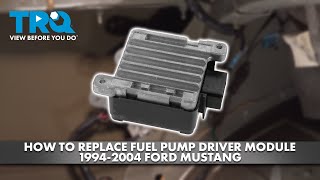
- Disconnect and Remove: Unplug the single electrical connector. Remove the two 10mm nuts holding the module's bracket to the car body. 🎬 Watch: How to locate and remove the Mustang FPDM It may be easier to remove the entire bracket assembly first.
- Swap the Module: Once the bracket is out, remove the two 6mm screws holding the module to the bracket. Secure the new module to the bracket.
- Reinstall: Bolt the bracket back into the trunk, plug in the electrical connector, reinstall the trunk liner, and reconnect the battery. 🎬 See this complete Mustang FPDM replacement video tutorial
Note: The nearby inertia switch has a red reset button. Ensure this button is pressed down. If it has popped up, it has cut power to the fuel system and needs to be reset.
Frequently Asked Questions (FAQ)
Does a 1999-2004 Mustang FPDM need to be programmed?
No. This part is completely plug-and-play. No special programming or dealer visit is required after installation.
Where is the FPDM located?
It is located inside the trunk, on the driver's side, behind the carpet liner. It's mounted to the inner quarter panel, usually close to the fuel inertia reset switch.
Can a bad FPDM cause a P1233 code?
Yes, a P1233 code specifically means "Fuel Pump Driver Module Disabled or Offline." This is the most common code associated with a failed FPDM, a bad connection to it, or a fault in its power supply circuit.
Is the FPDM the same as a fuel pump relay?
No. A traditional fuel pump relay is a simple on/off switch. The FPDM is a more sophisticated electronic module that actively controls the fuel pump's speed by varying the voltage it receives, based on commands from the engine computer.
Are there any recalls for the 1999-2004 Mustang FPDM?
No, searches of the NHTSA database and technical service bulletins (TSBs) did not show any recalls or widespread service campaigns specifically for the FPDM on the 1999-2004 Ford Mustang. Issues with FPDM corrosion are common on Ford trucks of the era, but the Mustang's in-trunk location protects it from the elements.
Helpful Videos

Technical Specifications
OEM Part Numbers: XR3Z-9D372-AC XR3F-9D372-AC XR3F-9D372-AD XR3F-9D372-AE
Connector Type: 10-pin female connector. Housing Material: Plastic and Aluminum.
We Have This Part in Stock




The information in this article is provided for general reference and educational purposes only. Vehicle specifications, procedures, and part compatibility can vary by production date, trim level, and region. Always consult your vehicle's factory service manual and verify part numbers before purchasing or performing repairs. Safety-critical components such as airbags, seat belts, and braking systems should be installed by a qualified professional.
- Ford Mustang: