

2018-2025 Atlas, Atlas Cross Sport & Audi Q3 Fuel Pump Control Module: Stalling, No-Start & Programming Guide
This guide covers the common failure symptoms, replacement costs, and critical programming requirements for the fuel pump control module in the VW Atlas, Atlas Cross Sport, and Audi Q3.
- This module is NOT plug-and-play and requires mandatory programming/coding to the vehicle's VIN to function.
- Common failure symptoms include engine stalling that may resolve after cooling down, a no-start condition, and loss of power.
- The module is located under the carpet beneath the second-row passenger seat on the VW Atlas, requiring interior removal to access.
- A failing fuel pump can draw too much current and damage the control module, so it's wise to check the pump's health during diagnosis.
Symptoms of a Failing Fuel Pump Control Module
A bad fuel pump control module can cause a range of fuel delivery issues that may seem intermittent at first. Because the module's primary failure mode is often related to overheating, symptoms can be more common on hot days or after the vehicle has been running for a while. Here are the most common signs of failure for the VW Atlas, Atlas Cross Sport, and Audi Q3.
- Engine Stalls While Driving: The most alarming symptom is the engine suddenly shutting off while you're driving. It may feel as if you've run out of gas. Often, the vehicle may restart after sitting for several minutes, allowing the overheated module to cool down.
- Hard Starting or No-Start Condition: You may find the engine cranks but won't start, or it takes an unusually long time to fire up. This happens when the module fails to send power to the fuel pump during the ignition cycle, preventing it from building the necessary fuel pressure.
- Loss of Power and Hesitation: While accelerating, the vehicle may hesitate, stumble, or feel sluggish. This indicates the module isn't commanding the fuel pump to deliver the increased fuel volume the engine needs under load.
- Fuel Pump Continuously Running: You might hear a distinct humming sound from the rear of the vehicle (where the fuel tank is) that doesn't stop even after you turn the engine off. This can drain the battery overnight.
- Check Engine Light: A failing module will often trigger a Check Engine Light. Associated fault codes frequently point to low fuel rail pressure, such as P0087, or electrical circuit faults for the fuel pump or its controller, like P025A or P0627. In some cases, communication error codes (U-codes) may also be present.
Known Issues, Recalls, and Technical Service Bulletins (TSBs)
While there are no widespread recalls specifically for the fuel pump control module on the 2018-2025 Atlas, Atlas Cross Sport, or 2023-2024 Q3, Volkswagen has issued recalls for similar issues on other vehicles. Notably, NHTSA recall 17V-509 (VW code 20AE) was issued for other models due to an interruption of electrical power to the fuel pump control module. The fix involved replacing the module and, importantly, relocating it to a place with better cooling. This suggests that overheating due to location can be a root cause of failure.
Some early 2018 VW Atlas models were subject to recall 20AW for a potential fuel tank leak, a repair that involves removing and reinstalling the fuel pump control module. While not a direct failure of the module, it's a related service procedure.
Pro Tip: Overheating is a known failure mode for these modules. The module itself can get extremely hot to the touch, and in severe cases, the plastic housing may even show signs of melting. When diagnosing, also check the health of the in-tank fuel pump. A failing pump can draw excessive current, overloading and burning out the control module.
Buying a Used Fuel Pump Control Module
A used OEM fuel pump control module is an excellent, cost-effective alternative to an expensive new part from the dealer. Since these modules are not high-wear items, a tested unit from a low-mileage donor vehicle can provide the same performance and longevity as a new one. Here’s what to look for:
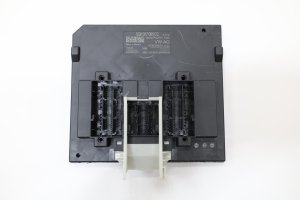
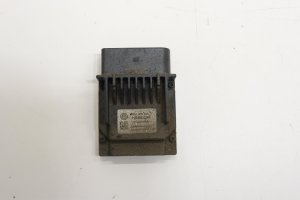
- Verify the Part Number: The most critical step is to match the part number. The primary OEM part number is 5QJ906093, which was superseded by the updated version 5QJ906093A. Either of these numbers should work as a replacement. Do not install a module with a different part number, even if it looks identical.
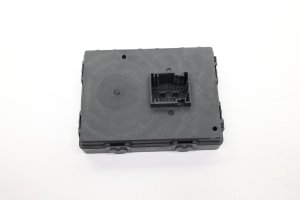
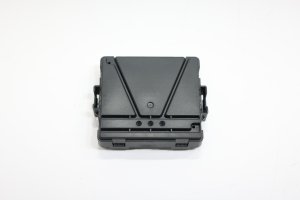
- Physical Inspection: When you receive the used module, inspect the plastic casing for any signs of melting, warping, or cracking, which would indicate a past overheating event. Check the electrical connector pins to ensure they are straight, clean, and free of corrosion.
- Source Vehicle Information: If possible, choose a part from a vehicle with lower mileage. While mileage isn't a perfect indicator of life left, it's a good general guide. Reputable sellers of used parts often provide the VIN and mileage of the donor vehicle.
- Warranty and Return Policy: Purchase from a seller that offers a warranty and a clear return policy. This protects you in the rare case that you receive a defective part.
Warning: This module is NOT plug-and-play. It must be programmed or coded to your vehicle's specific VIN and configuration after installation. Failure to do so will result in a no-start condition. This procedure requires specialized diagnostic tools like Volkswagen's ODIS software.
Replacement Procedure and Location
For the Volkswagen Atlas and Atlas Cross Sport, the fuel pump control module (designated as J538 in repair manuals) is located under the second-row seats on the passenger side, right next to the main fuel pump access cover.
- Access the Module: The seat must be unbolted and removed. Underneath the carpet, there is a metal floor pan. To access the module and fuel pump, many technicians cut a C-shaped flap in the carpet, which can be tucked back into place after the repair.
- Disconnect and Remove: Disconnect the battery. The module is typically held in a bracket. Unplug the electrical connector and remove the module from its mounting point.
- Install the New Module: Seat the new module in the bracket and reconnect the electrical harness.
- Programming: This is the final, mandatory step. The vehicle must be connected to a compatible diagnostic system (like ODIS) to have the new module coded to the car. This can be done at a VW/Audi dealership or by a qualified independent European auto repair shop.
The replacement difficulty is moderate due to the need to remove interior components, but the mandatory programming means most DIY mechanics will need to involve a professional shop to complete the job.
Cost of Replacement
The cost to replace the fuel pump control module can vary significantly based on the parts source and labor rates.
| Item | Estimated Cost | Notes |
|---|---|---|
| New OEM Module | $75 - $115 | Purchased from a VW/Audi dealership parts counter or online. |
| Used OEM Module | $50 - $100 | A common price from online recyclers and eBay. |
| New Aftermarket Module | $100 - $400+ | Prices vary widely by brand. Quality is unverified compared to OEM. |
| Shop Labor | $200 - $500 | Includes diagnosis, physical installation (1-2 hours), and the crucial programming step. |
| Total Professional Replacement | $400 - $1,100 | This is the typical all-in cost at a dealership or independent shop. |
Frequently Asked Questions (FAQ)
Do I have to program a new or used fuel pump control module?
Yes, absolutely. For the 2018-2025 VW Atlas, Atlas Cross Sport, and 2023-2024 Audi Q3, this module must be coded to your vehicle's VIN. If you install a new or used module without programming it, the car will not start. This is not a DIY-friendly step unless you have access to professional-grade VW/Audi diagnostic software.
Can an independent mechanic replace this module, or do I have to go to a dealer?
A well-equipped independent auto shop that specializes in European vehicles can perform this replacement. They must have the proper diagnostic tools (like Autel, VCDS, or ODIS) to perform the online coding/adaptation procedure. A general mechanic without this specific software will not be able to complete the job.
Is there an anti-theft link to this module?
The search results indicate the module needs to be "coded to the VIN," which is a form of component protection. While it may not be tied to the immobilizer in the same way as an ECU or instrument cluster, this security handshake is necessary for the part to function within the vehicle's network. This is why generic scan tools cannot program it.
My car stalls but then restarts after a few minutes. Could this be the fuel pump module?
Yes, this is a classic symptom of an overheating fuel pump control module. The module cuts power when it gets too hot, causing the engine to stall. After it cools down for a period, it may function normally again until it overheats. This intermittent failure is a strong indicator that the module is the culprit.
Where is the fuel pump control module located on my VW Atlas?
It is located inside the cabin, under the carpet beneath the second-row passenger-side seat. It is situated right next to the round access cover for the in-tank fuel pump itself.
Technical Specifications
OEM Part Numbers: 5QJ906093A 5QJ906093 3Q0906093
Controls a pulse-width modulated (PWM) in-tank fuel pump. Requires VIN-specific coding via ODIS or equivalent diagnostic tool.
We Have This Part in Stock

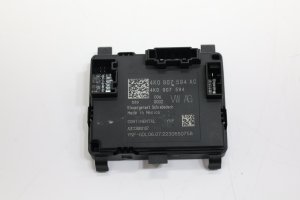

The information in this article is provided for general reference and educational purposes only. Vehicle specifications, procedures, and part compatibility can vary by production date, trim level, and region. Always consult your vehicle's factory service manual and verify part numbers before purchasing or performing repairs. Safety-critical components such as airbags, seat belts, and braking systems should be installed by a qualified professional.
- Volkswagen Atlas:
- Audi Q3:
- Volkswagen Atlas Cross Sport: