

2011-2017 Nissan Quest Fuel Pump Control Module: Diagnosing Stalls and No-Starts
This guide covers the common failure symptoms, recalls, and replacement of the Fuel Pump Control Module for the 2011-2017 Nissan Quest, including why it stalls with a low fuel tank.
- A replacement Fuel Pump Control Module for the 2011-2017 Quest does NOT need to be programmed. It is a plug-and-play part.
- The most common symptom is engine stalling at low speeds when the fuel tank is less than 1/4 full, an issue that prompted a recall for 2011-2012 models.
- The module is located inside the vehicle under the carpet, beneath the driver's side second-row seat.
- Because it's plug-and-play and aftermarket options are not available, a used OEM module is the most cost-effective and reliable solution.
Symptoms of a Failing Fuel Pump Control Module
A faulty Fuel Pump Control Module in a 2011-2017 Nissan Quest can cause symptoms that are often mistaken for a bad fuel pump. Because the module controls the pump, the symptoms are nearly identical. Watch for these specific warning signs:
- Engine Stalling, Especially at Low Fuel Levels: The most notorious symptom, particularly on 2011-2012 models, is the engine stalling at low speeds or on a decline when the fuel tank is below 1/4 full. This happens because the module fails to command the pump to provide adequate pressure under these specific conditions.
- Engine Cranks But Won't Start: The starter will turn the engine over, but it won't fire up because the FPCM isn't activating the fuel pump to supply the necessary fuel for ignition. You may not hear the typical 2-3 second hum of the fuel pump from the rear of the vehicle when you first turn the key to the 'ON' position.
- Sudden Loss of Power: While driving, the vehicle may hesitate, sputter, or lose all power as if it's run out of gas. This can be intermittent, with the vehicle sometimes restarting and running fine after sitting for a few minutes.
- Check Engine Light with Code P069E: If the FPCM detects a problem within the fuel system, it can ask the main engine computer to illuminate the Check Engine Light, often storing the diagnostic trouble code (DTC) P069E - Fuel Pump Control Module Requested MIL Illumination.
Known Issues, Recalls, and Technical Service Bulletins (TSBs)
NHTSA Recall 12V-076: Engine Stall at Low Fuel Levels
Nissan issued a voluntary safety recall for a significant number of 2011-2012 Nissan Quest vehicles due to an issue directly related to the fuel pump control logic.
- The Problem: The engine could stall without warning when driving at slow speeds or idling on a decline with the fuel tank at or below one-quarter full. This created a serious safety risk.
- The Cause: The issue was not a defective Fuel Pump Control Module itself, but rather incorrect software logic within the main Engine Control Module (ECM) that commands the FPCM.
- The Fix: Nissan dealers performed a software update by reprogramming the ECM. This was not a parts replacement. The new software improved how the ECM operates the Fuel Pump Control Module to prevent the stalling condition.
While this recall only applied to 2011-2012 models, the symptoms are a key indicator of a fuel delivery problem across all years of this Quest generation.
Diagnosis and Replacement
Location
The Fuel Pump Control Module in the 2011-2017 Nissan Quest is located inside the cabin, under the rear driver's side (left side) seat area. Accessing it requires removing the second-row driver's side seat and pulling back the carpet to expose the module and the fuel pump access panel.
Does the Module Require Programming?
Pro Tip: No, a replacement Fuel Pump Control Module for this vehicle is considered a plug-and-play part. It does not require programming, flashing, or initialization with a dealer scan tool. The intelligence is in the Engine Control Module (ECM) that commands it; the FPCM simply executes those commands. This makes a used OEM module an excellent, cost-effective repair option.
Replacement Walkthrough (Simplified)
- Disconnect the negative terminal from the vehicle's battery.
- Remove the second-row seat on the driver's side. This typically involves removing plastic trim covers and unbolting the seat from the floor.
- Peel back the carpet to expose the metal floor pan. You will see the FPCM, which is a small electronic box, usually mounted near the round fuel pump access cover.
- Disconnect the single electrical connector from the module.
- Unbolt the module from the vehicle body (typically two 10mm bolts).
- Install the new module, reconnect the electrical connector, and reinstall the seat and carpet.
Buying a Used Fuel Pump Control Module
Since this module does not require programming and is a simple electronic unit, a used OEM part is a smart choice over expensive new options. Here’s what to look for:
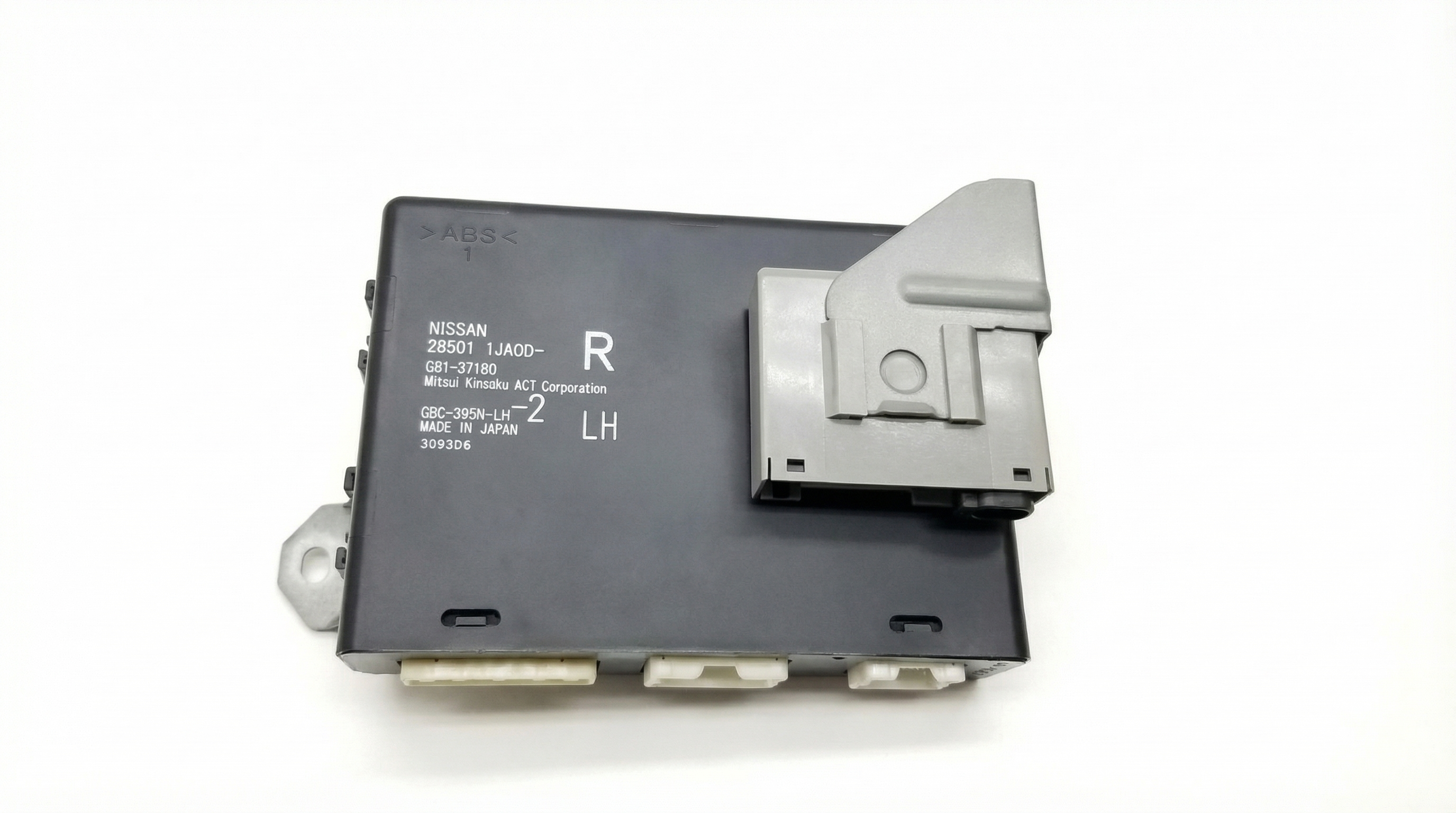
- Verify the Part Number: Ensure the module you are buying is part number 17001-1JA0A. While other numbers may exist, this is the confirmed primary part for the 2011-2017 Quest.
- Inspect the Connector: Look at photos of the used part. The pins in the electrical connector should be straight, clean, and free of any green or white corrosion. A corroded connector is a major red flag.
- Check the Casing: The module's casing should be free of cracks or signs of being pried open. Water intrusion is a potential failure mode for any electronic part, so a damaged case is a risk.
- Source from a Reputable Seller: Buy from a seller that offers a warranty and has good reviews. This provides a safety net in case the part is defective.
Cost of Replacement
The cost to fix a faulty Fuel Pump Control Module can vary significantly depending on whether you use new or used parts and do the work yourself.
| Part Type | Estimated Cost |
|---|---|
| New OEM (Dealer) | $350 - $450 (estimated) |
| New Aftermarket | Not commonly available |
| Used OEM | $70 - $110 |
| Shop Labor | $120 - $180 (1.0-1.5 hours) |
Frequently Asked Questions (FAQ)
Do I need to program a new or used Fuel Pump Control Module?
No. For the 2011-2017 Nissan Quest, the FPCM is a plug-and-play component. You do not need to take the vehicle to a dealer for programming after replacing it.
Is a bad FPCM the same as a bad fuel pump?
No, but they cause the same symptoms. The FPCM is the computer that tells the fuel pump what to do. If the FPCM fails, the pump won't run correctly (or at all), making it seem like the pump is bad. It's important to diagnose the system to avoid replacing a perfectly good fuel pump.
Where is the Fuel Pump Control Module located on my Quest?
It is located inside the vehicle, under the carpet beneath the driver's side second-row seat.
My Quest only stalls when the tank is low. Is that the FPCM?
This is a classic symptom, especially for 2011-2012 models that were subject to a recall for this exact issue. The problem was fixed with an ECM software update. If your vehicle never had the recall performed, or if the FPCM is failing, it can cause this symptom. A failing module may be unable to command the necessary pump pressure when the fuel level is low.
Technical Specifications
OEM Part Numbers: 17001-1JA0A 170011JA0A
Location: Under rear driver's side seat. Programming Required: No.
We Have This Part in Stock


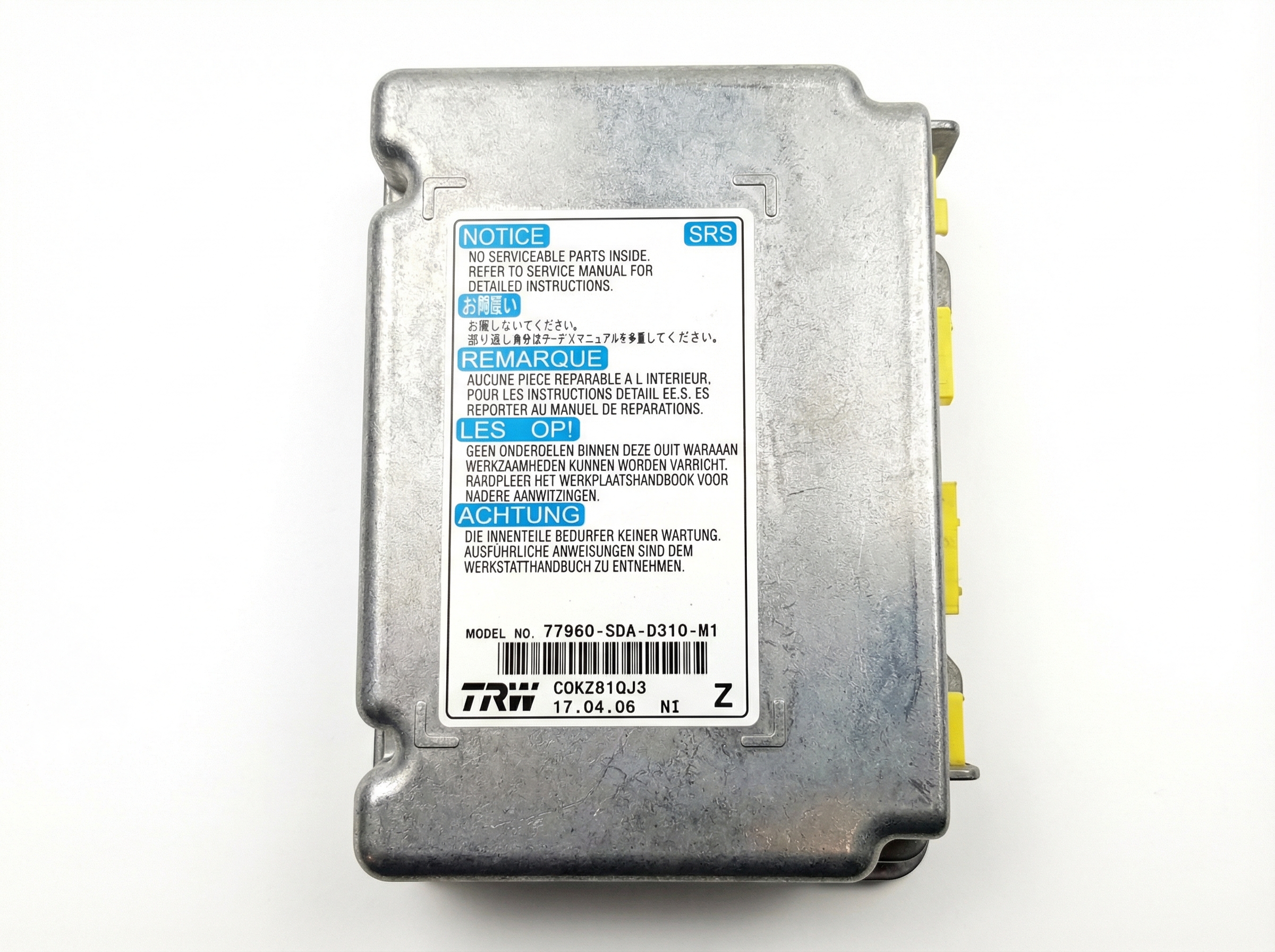



The information in this article is provided for general reference and educational purposes only. Vehicle specifications, procedures, and part compatibility can vary by production date, trim level, and region. Always consult your vehicle's factory service manual and verify part numbers before purchasing or performing repairs. Safety-critical components such as airbags, seat belts, and braking systems should be installed by a qualified professional.
- Nissan Quest:
- 🛍️ Shop This Part
- Symptoms of a Failing Fuel Pump Control Module
- Known Issues, Recalls, and Technical Service Bulletins (TSBs)
- NHTSA Recall 12V-076: Engine Stall at Low Fuel Levels
- Diagnosis and Replacement
- Location
- Does the Module Require Programming?
- Replacement Walkthrough (Simplified)
- Buying a Used Fuel Pump Control Module
- Cost of Replacement
- Frequently Asked Questions (FAQ)
- 🎟️ Get 5% Off