

Mazda Stalling & No-Start Issues: 2012-2023 Fuel Pump Control Module Guide
Diagnose and replace the fuel pump control module in your Mazda 3, 6, CX-3, or CX-5 and learn why it might not be the part that's actually failing.
- This OEM module is PLUG-AND-PLAY and does not require expensive dealer programming, making a used part a great value.
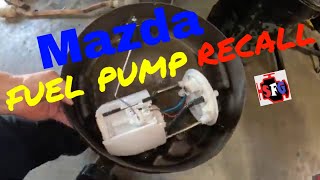
- Before buying, check your VIN for Mazda recall 5321K, as a faulty FUEL PUMP (not the module) causes identical stalling/no-start symptoms on many 2018-2019 models.
- Failure symptoms include engine stalling, no-start conditions, and hesitation during acceleration.
- The module is located in a protected area under the rear driver's side seat, making it an easy DIY replacement with basic tools.
Symptoms of a Failing Fuel Pump Control Module

When the fuel pump control module begins to fail, it can starve the engine of fuel intermittently or completely. This can be a serious safety issue if the engine stalls while driving. Owners should be aware of the common warning signs.
- Engine Stalls Unexpectedly: The engine may shut off while driving at low speeds or even while stopped at a light. It may or may not restart after a few minutes.
- Hard Starting or No-Start: The engine cranks but fails to start, or takes an unusually long time to fire up. 🎬 Watch this video on diagnosing Mazda CX-5 crank no start issues This happens because the module isn't powering the fuel pump to build pressure for ignition.
- Loss of Power and Hesitation: The vehicle may hesitate, sputter, or feel sluggish during acceleration, especially when demanding more power like going uphill or merging onto a highway.
- Check Engine Light: The module can trigger diagnostic trouble codes (DTCs) that illuminate the check engine light. Common codes include P064A (Fuel Pump Control Module Performance) and P025D (Fuel Pump Module Control Circuit High).
- Audible Fuel Pump Issues: You may notice the fuel pump (a faint hum from the rear seat area) doesn't make its usual 2-3 second priming sound when you turn the key to the 'ON' position. In some cases, a faulty module can cause the pump to run continuously, even with the engine off.
Known Issues, Recalls, and Technical Service Bulletins (TSBs)

Troubleshooting fuel delivery issues on these Mazdas can be confusing. The symptoms of a bad control module are nearly identical to the symptoms of a bad fuel pump. Before replacing the module, be aware of these widespread issues.
CRITICAL: Fuel Pump Recall vs. Control Module Failure
Important: Mazda issued a major safety recall (NHTSA ID 5321K) for the low-pressure fuel pump itself, not the control module. The pump's internal impeller can crack, causing the exact same symptoms as a failed module: engine stalling, no-start, and rough running.
This recall affects the following models:
- 2018 Mazda 3
- 2018 Mazda 6
- 2018-2019 Mazda CX-5
- 2019 Mazda CX-3
Before buying any parts, check if your vehicle is part of this recall. You can check your Vehicle Identification Number (VIN) for free on the NHTSA website. A dealer will replace the fuel pump at no cost if your vehicle is affected.
TSB for False DTC P064A
Mazda issued Technical Service Bulletin (TSB) 01-010/17 for some 2016-2017 vehicles that may store DTC P064A ("Fuel Pump Control Module Error") in the computer's memory without any actual drivability problems. The TSB states this can be caused by overly sensitive diagnostic logic. The official fix is not to replace the module, but to have a Mazda dealer reprogram the Powertrain Control Module (PCM) with updated software.
Does This Module Need to Be Programmed?

No, the original equipment (OEM) fuel pump control module is plug-and-play. When replacing a failed module with a new or used OEM unit (part number PE0118561 or PE0218561), no special programming is required. The vehicle will start and run correctly immediately after installation. This makes it an excellent candidate for DIY replacement.
Warning: Some new aftermarket (non-OEM) versions of this module may require programming. This often requires a professional scan tool and a subscription to the manufacturer's software. Failure to program a required module will result in a no-start condition. This is a significant advantage of purchasing a used OEM module over a new aftermarket one.
Replacement Guide

On the Mazda 3, Mazda 6, CX-3, and CX-5, the fuel pump control module is located inside the cabin, which protects it from the weather and corrosion that affects modules mounted under the vehicle.
- Location: The module is mounted under the rear seat cushion, typically on the driver's side (left-hand side).
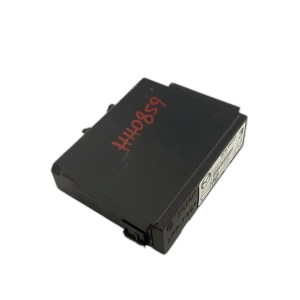
- Access: You will need to remove the rear seat bottom cushion. On many models, there are release levers or clips at the front base of the cushion that allow it to be unlatched and tilted up or removed. The module is a small, black plastic box with one or two electrical connectors, held in place by 10mm bolts or nuts.
- Procedure:
- Disconnect the negative terminal of the car battery.
- Remove the rear seat cushion.
- Locate the fuel pump control module.
- Disconnect the electrical connector(s) by pressing the release tab.
- Remove the mounting bolts/nuts and take out the old module.
- Install the new module, reconnect the electrical plugs, and reinstall the rear seat.
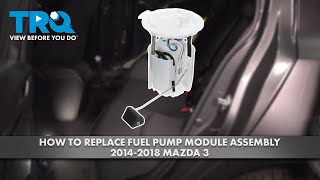
- Reconnect the battery. The vehicle should now start and run normally. 🎬 Watch a full walkthrough on replacing the fuel pump module
Buying a Used Fuel Pump Control Module
A used OEM module is a reliable and cost-effective alternative to an expensive new part. Since programming is not required for OEM units, a used module is a straightforward swap.
- Verify Part Number: Ensure the part is either PE0118561 or the superseding number PE0218561. These are interchangeable.
- Inspect for Damage: Check the casing for cracks and the connector pins for any signs of corrosion, which could indicate water intrusion from a spill or leak into the cabin.
- Consider an Upgrade: For performance-minded owners or those seeking maximum reliability, some tuners have found that the fuel pump control module from turbocharged Mazda models, part number PYFL-18-561, can be a direct-fit upgrade for some vehicles like the 2012-2018 Mazda 3. This module was designed for higher fuel demands and may offer more robust performance, though it is not required for a standard repair.
Pro Tip: Because the module is located inside the cabin, it is less likely to suffer from the heavy corrosion that plagues modules mounted under the vehicle. A used module from a vehicle with no signs of water damage is generally a very safe and reliable purchase.
Cost of Replacement
Replacing the fuel pump control module is significantly cheaper than replacing the entire fuel pump assembly.
| Part/Service | Estimated Cost |
|---|---|
| New OEM Module | $80 - $120 |
| New Aftermarket Module | $60 - $150 |
| Used OEM Module | $15 - $50 |
| Shop Labor | $100 - $200 (approx. 1 hour) |
Frequently Asked Questions (FAQ)
Do I need to program a replacement fuel pump control module?
No, if you are using a genuine Mazda OEM part (new or used), it is plug-and-play and does not require any programming. Some aftermarket parts may require programming, so be sure to check with the part manufacturer.
My Mazda is stalling. Is it the fuel pump or the control module?
It could be either, as the symptoms are identical. First, check if your vehicle's VIN is part of the fuel pump recall (NHTSA 5321K) that affected many 2018-2019 models. If it is, the fuel pump is the likely culprit and will be replaced by a dealer for free. If not, further diagnosis is needed.
Is it safe to install a used fuel pump control module?
Yes. Because this module is located inside the car and does not require programming, a used OEM unit is a very safe and economical repair option. Just ensure the part number matches and there is no evidence of water damage.
Can I replace this module myself?
Yes, this is a very DIY-friendly repair. Access is straightforward under the rear seat, and it only requires basic hand tools to unbolt the old module and install the new one. Since no programming is needed for an OEM part, it's a simple plug-in replacement.
Helpful Videos

Technical Specifications
OEM Part Numbers: PE02-18-561 PE01-18-561
Controls voltage to the low-pressure fuel pump for naturally aspirated (non-turbo) Skyactiv engines. Located under the rear seat, driver's side.
We Have This Part in Stock





The information in this article is provided for general reference and educational purposes only. Vehicle specifications, procedures, and part compatibility can vary by production date, trim level, and region. Always consult your vehicle's factory service manual and verify part numbers before purchasing or performing repairs. Safety-critical components such as airbags, seat belts, and braking systems should be installed by a qualified professional.
- Mazda CX-5:
- Mazda 3:
- Mazda 6:
- Mazda CX-3:
- 🎬 Helpful Videos
- 🛍️ Shop This Part
- Symptoms of a Failing Fuel Pump Control Module
- Known Issues, Recalls, and Technical Service Bulletins (TSBs)
- CRITICAL: Fuel Pump Recall vs. Control Module Failure
- TSB for False DTC P064A
- Does This Module Need to Be Programmed?
- Replacement Guide
- Buying a Used Fuel Pump Control Module
- Cost of Replacement
- Frequently Asked Questions (FAQ)
- 🎟️ Get 5% Off