

Ford F-150, Explorer & More (2004-2010) Fuel Pump Driver Module: Why Corrosion Causes Stalling & No-Starts
This guide explains the common failure of the Fuel Pump Driver Module (FPDM) on many Ford, Lincoln, and Mercury vehicles, focusing on the corrosion issue that leaves drivers stranded.
- The primary cause of failure on trucks/SUVs is corrosion from the aluminum module being bolted directly to the steel frame; a replacement MUST use standoffs.
- This part is PLUG-AND-PLAY and does not require any programming, making a used part a great option.
- Key symptoms include the engine cranking but not starting, or stalling unexpectedly while driving.
- On Mustangs, the module is safely located inside the trunk and is not prone to the corrosion issue.
The Core Problem: A Design Flaw Leads to Corrosion
The single most common reason for Fuel Pump Driver Module (FPDM) failure on Ford trucks and SUVs is its mounting location and design. On vehicles like the 2004-2008 Ford F-150, 2005-2008 Ford Expedition, 2004-2010 Ford Explorer, and their Lincoln/Mercury counterparts, the module's flat aluminum backplate is bolted directly against the vehicle's steel frame or a steel crossmember.
This creates a perfect scenario for galvanic corrosion. Moisture, road salt, and dirt get trapped between the two dissimilar metals (aluminum and steel). Over time, the aluminum housing of the module corrodes severely. The corrosion causes the aluminum to swell and crack, eventually creating a hole in the back of the module. Water then gets inside and destroys the internal circuit board, leading to failure.
Warning: A failing FPDM can cause the engine to stall suddenly and without warning while driving, which can lead to a loss of power steering and braking assist, increasing the risk of a crash.
Symptoms of a Failing Fuel Pump Driver Module
When the FPDM begins to fail, you may experience one or more of the following symptoms:
- Engine Cranks but Will Not Start: This is the most common symptom. The starter will turn the engine over, but it won't fire up because the fuel pump is not receiving power.
- Engine Stalling: The engine may stall unexpectedly while driving or at idle. This can be intermittent at first, making it difficult to diagnose.
- Hesitation or Stumbling: Under acceleration, the vehicle may hesitate, buck, or feel like it's losing power as the module struggles to command the correct fuel pressure.
- Hard Starting: The engine may take longer than usual to start, requiring multiple key turns.
- Check Engine Light: A failing FPDM will often trigger the Check Engine Light. The most common Diagnostic Trouble Codes (DTCs) are:
- P1233: Fuel Pump Driver Module Offline
- P1237: Fuel Pump Secondary Circuit Fault
- P0191: Fuel Rail Pressure Sensor Circuit Range/Performance
Vehicle-Specific Locations and Information
While this module is shared across many vehicles, its location and failure risk vary significantly.
| Vehicle(s) | Location | Corrosion Risk |
|---|---|---|
| Ford F-150 (2004-2008) Ford Expedition (2005-2008) Lincoln Navigator (2005-2008) Lincoln Mark LT (2006-2008) |
Mounted to the frame crossmember above the spare tire. | Very High. This is the primary failure location due to direct frame contact. |
| Ford Explorer (2004-2010) Mercury Mountaineer (2006-2010) Ford Explorer Sport Trac (2007-2010) |
Mounted on the frame rail, typically behind the driver's side rear wheel. | High. Still exposed to the elements and frame contact. |
| Ford Escape (2005-2008) Mercury Mariner (2005-2008) |
Underneath the vehicle near the driver's side rear tire, close to the fuel tank. | Moderate to High. Exposed to road spray and debris. |
| Ford Mustang (2005-2010) | Inside the trunk on the driver's side, behind the trim panel above the wheel well. | Very Low. It is protected from the elements inside the vehicle and does not suffer from the corrosion issue. |
Buying a Used Fuel Pump Driver Module: What to Look For
A used OEM FPDM can be a reliable and cost-effective replacement, especially since they do not require programming. Here’s what you need to know:
- No Programming Required: This module is plug-and-play. You do not need a dealer or special tools to program it to your vehicle.
- Physical Inspection is Key: Before buying, carefully inspect the back of the module. Reject any unit that shows signs of chalky white corrosion, pitting, or cracks in the aluminum housing. A good used part should be clean and free of damage.
- Prioritize the Updated Design: Ford and aftermarket companies like Dorman corrected the design flaw by creating a kit that uses rubber spacers or standoffs. These standoffs create an air gap between the module and the steel frame, preventing moisture from being trapped and stopping the corrosion process. When buying a replacement, insist on one that includes this mounting hardware.
- Check Part Numbers: While many part numbers are interchangeable, it's always best to match the number from your original part if possible. However, the updated design with standoffs is more important than the exact original part number.
- Why Used OEM is a Smart Choice: A good, corrosion-free used OEM module (especially from a Mustang or a dry-climate vehicle) combined with a new standoff kit can be more reliable than a cheap, new aftermarket part with questionable electronics. You get factory-grade internal components without the new OEM price tag.
Pro Tip: Even if you buy a used module that doesn't come with the standoffs, you can purchase the mounting kit separately. The Dorman 590-001 kit is a popular option that includes the standoffs and new bolts. Never install a replacement module flat against the frame.
Replacement Overview
Replacing the FPDM on a truck or SUV is a straightforward DIY job.
- Difficulty: 2 out of 5
- Estimated Time: 30-60 minutes
- Tools Needed: Ratchet with 8mm or 10mm socket, wire brush.
General Steps (for frame-mounted modules):
- Disconnect the negative battery terminal.
- Lower the spare tire to get access to the area above the rear axle.
- Locate the FPDM on the frame crossmember.
- Unplug the single electrical connector. Inspect it for corrosion or melted pins.
- Unbolt the two small bolts holding the module to the frame. The old module may be so corroded that it breaks apart during removal.
- Thoroughly clean the mounting surface on the frame with a wire brush to remove all rust and debris. You can apply a coat of paint or anti-corrosion spray for extra protection.
- Install the new rubber standoffs into the new module.
- Bolt the new module in place. The standoffs will create the necessary air gap.
- Apply dielectric grease to the connector pins and plug it in.
- Reconnect the battery and start the vehicle.
Cost Comparison
Prices can vary, but here is a general estimate for the part and labor.
| Item | Estimated Cost |
|---|---|
| New OEM | $100 - $250 |
| New Aftermarket (e.g., Dorman) | $50 - $100 |
| Used OEM | $25 - $75 |
| Shop Labor | $100 - $200 (approx. 1-1.5 hours) |
Frequently Asked Questions (FAQ)
Does a replacement Fuel Pump Driver Module need to be programmed?
No. This module is a plug-and-play part for all the vehicles listed. You can install a new or used replacement without any need for dealer programming or special software.
Can I drive my car with a bad FPDM?
No. A failing FPDM can cause the engine to stall at any time, including at highway speeds. This is a serious safety risk, as it can result in a loss of vehicle control. If you suspect your FPDM is failing, you should not drive the vehicle except directly to a repair shop.
What happens if I install the new module without the rubber standoffs?
If you install the new module directly against the steel frame, it will suffer the same fate as the original. The galvanic corrosion process will begin immediately, and the new part will eventually fail. The standoffs are essential for long-term reliability.
Is the Fuel Pump Driver Module the same as the fuel pump?
No. The FPDM is a separate electronic controller. The fuel pump is a mechanical pump assembly located inside the fuel tank. The FPDM tells the fuel pump how fast to run. A bad FPDM can mimic the symptoms of a bad fuel pump, so it's important to diagnose the issue correctly.
Technical Specifications
OEM Part Numbers: 3F2A-9D370-CB 3F2A9D370BA 3F2A9D370CA 4C2Z9D372BA 4L3A9D370AA 4L3Z9D370A 5L8A-9D370-AA 5L8Z9D370A 6C2Z9D372A 6L1A9D372AD 6L1Z9D372AD 6L2Z9D372A 6L8Z9D372B 6R3Z9D372BA 6W7Z9D372CA
Controls a 12V DC fuel pump motor using Pulse Width Modulation (PWM) signals from the Powertrain Control Module (PCM).
We Have This Part in Stock


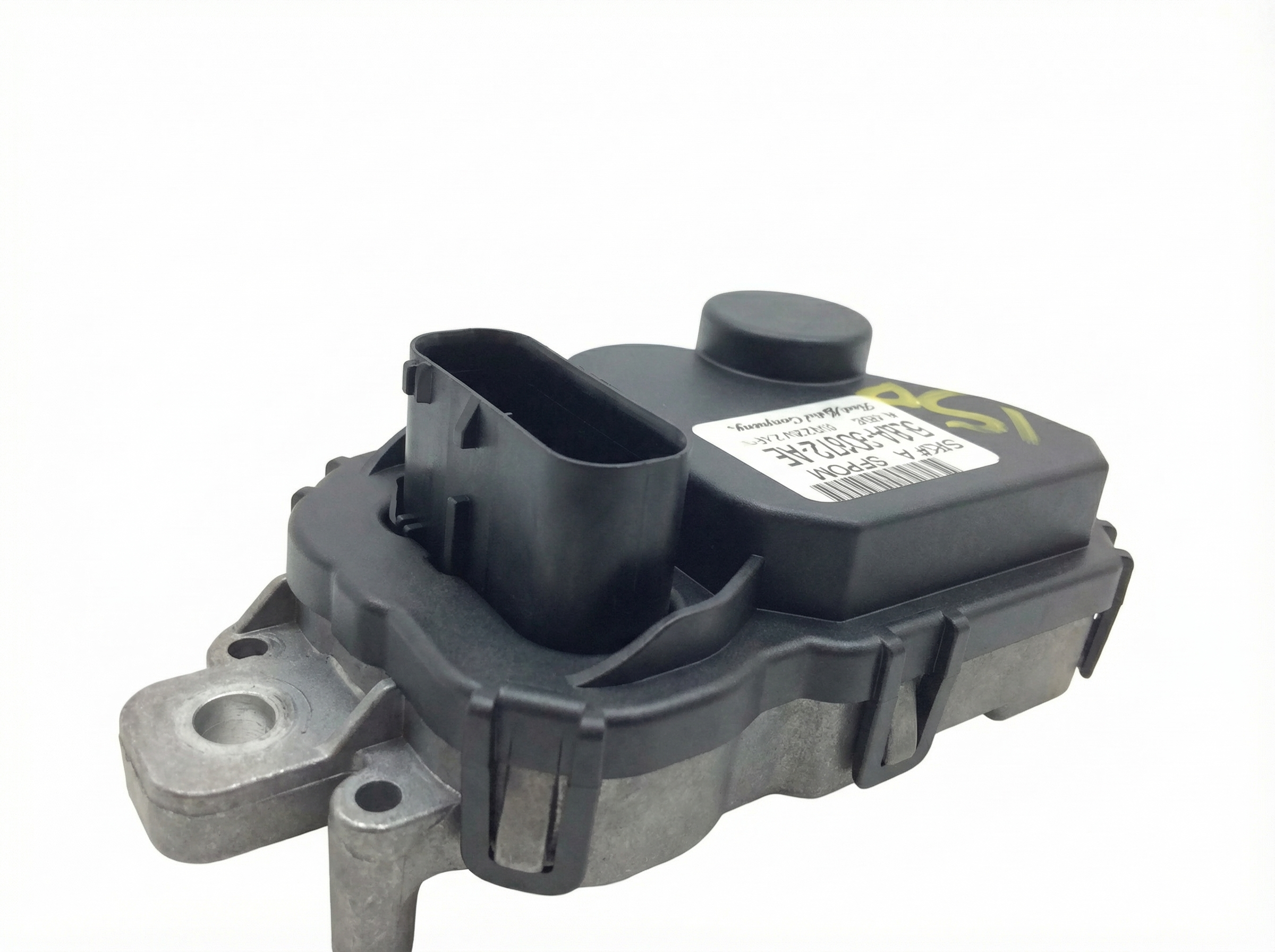

The information in this article is provided for general reference and educational purposes only. Vehicle specifications, procedures, and part compatibility can vary by production date, trim level, and region. Always consult your vehicle's factory service manual and verify part numbers before purchasing or performing repairs. Safety-critical components such as airbags, seat belts, and braking systems should be installed by a qualified professional.
- Ford F-150:
- Ford Explorer:
- Ford Escape:
- Ford Expedition:
- Lincoln Navigator:
- Ford Mustang:
- Mercury Mountaineer:
- Lincoln Mark LT:
- Mercury Mariner:
- Ford Explorer Sport Trac:
- Mazda Tribute:
- Mercury Monterey:
- Ford Freestar: