

2005-2012 Acura RL Fuel Pump Control Module: Solving Stalling and No-Start Issues
This guide covers the common failure symptoms, diagnosis, and replacement of the fuel pump control module for the second-generation Acura RL, and clarifies its role versus the recalled fuel pump relay.
- This module is plug-and-play and does NOT require any programming or dealer visit for installation.
- Failure causes a no-start or stalling condition, which mimics a bad fuel pump or the recalled fuel pump relay on 2005 models.
- The primary diagnostic code pointing to this module is P0627 (Fuel Pump 'A' Control Circuit/Open).
- The module is located behind the rear seat on the driver's side C-pillar, requiring interior removal to access.
Symptoms of a Failing Fuel Pump Control Module
Failure of the fuel pump control module in the 2005-2012 Acura RL often mimics the symptoms of a bad fuel pump or a faulty fuel pump relay. The signs are typically related to a lack of fuel delivery to the engine.
- Engine Cranks but Will Not Start: This is the most common symptom. The starter will turn the engine over, but it won't fire up because the fuel pump isn't being activated to deliver gasoline.
- Engine Stalling: The engine may stall unexpectedly while driving, sometimes after warming up. It might restart after cooling down, only to stall again later. This intermittent failure can be dangerous if it occurs in traffic.
- Loss of Power: You may experience hesitation or a significant loss of power when accelerating, as the module fails to command the fuel pump to deliver the increased fuel volume the engine needs.
- Check Engine Light with Code P0627: A failing module will often trigger the Check Engine Light. The most common diagnostic trouble code (DTC) associated with this part is P0627 - Fuel Pump 'A' Control Circuit/Open. This code specifically indicates that the engine's main computer has detected a problem in the control circuit for the fuel pump, pointing directly at the module or its wiring.
Important: The symptoms above are nearly identical to those caused by a faulty Fuel Pump Relay, which was subject to a safety recall on 2005 models. It is crucial to differentiate between these two parts before replacing components.
Known Issues, Recalls, and Technical Service Bulletins (TSBs)
While the fuel pump control module itself has not been subject to a recall, a closely related part has, causing significant confusion.
NHTSA Safety Recall 07V097000: Fuel Pump Relay Failure
For the 2005 Acura RL, Acura issued a recall for the PGM-FI Main Relay 2, also known as the fuel pump relay. A manufacturing defect in relays made by MITSUBA could cause a wire inside to break, cutting power to the fuel pump. This results in the same no-start and stalling symptoms as a failed control module. The fix was to inspect the relay and, if it was a MITSUBA unit, replace it with a DENSO relay. If you are experiencing fuel delivery issues on a 2005 RL, checking if this recall was performed should be your first step.
Programming and Installation Requirements
The fuel pump control module on the 2005-2012 Acura RL is plug-and-play. It does not require any programming, flashing, or calibration after installation. It is not linked to the vehicle's VIN or anti-theft immobilizer system. This makes replacement straightforward for DIY mechanics and means a used module from a compatible vehicle will function immediately without a trip to the dealer.
Replacement Guide
The fuel pump control module is located inside the cabin, which protects it from the elements but requires some interior disassembly to access.
- Location: The module is mounted to the vehicle body on the driver's side C-pillar (the pillar behind the rear door).
- Access: To access the module, you must first remove the rear seat cushion and the rear seat back.
- Replacement: Once the seat back is removed, the module will be visible. Disconnect the negative battery terminal, unplug the single electrical connector from the module, and remove the bolts holding it to the chassis. Installation is the reverse of removal.
Pro Tip: Before removing the rear seat, use a code scanner to confirm if DTC P0627 is present. This code strongly suggests a fault with the module or its wiring, justifying the effort to access it. If no codes are present, further diagnosis of the fuel pump relay and the pump itself is recommended.
Buying a Used Fuel Pump Control Module: What to Look For
Given that a new OEM module can be expensive, a used OEM module is an excellent, cost-effective option, especially since no programming is required. Here’s what to check:
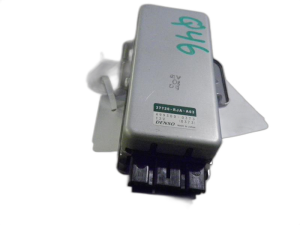
- Verify the Part Number: The most current part number is 37720-RJA-A04. This part supersedes older versions like 37720-RJA-A01, 37720-RJA-A02, and 37720-RJA-A03. Any of these part numbers will work, but the A04 version is the latest revision.
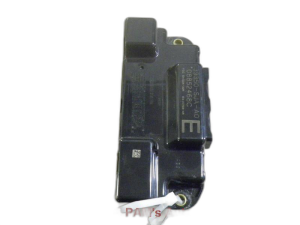
- Inspect the Connector Pins: Look closely at the electrical pins in the connector socket. They should be clean, straight, and free of any green or white corrosion. Corrosion is a sign of moisture intrusion and a primary reason for electronic module failure.
- Check the Casing: Inspect the plastic and metal casing for any cracks, deep scratches, or signs of being pried open. Physical damage could indicate internal problems.
- Source Vehicle Information: If possible, choose a part from a lower-mileage vehicle that was not involved in a flood or rear-end collision.
Choosing a used OEM module over a new aftermarket alternative (if available) is often wiser. The OEM part is built to Acura's specific standards for durability and performance, ensuring perfect compatibility with the vehicle's sensitive electronics.
Cost Comparison
The cost for the fuel pump control module can vary significantly between new and used options.
| Part Type | Estimated Cost |
|---|---|
| New OEM | $450 - $675 |
| New Aftermarket | Not commonly available |
| Used OEM | $20 - $75 |
| Shop Labor | $150 - $250 |
Frequently Asked Questions (FAQ)
Does the 2005-2012 Acura RL fuel pump control module need to be programmed?
No, this module is a plug-and-play component. It does not need to be programmed, flashed, or coded to the vehicle. A replacement can be installed and will work immediately.
Where is the fuel pump control module located on a 2005-2012 Acura RL?
It is located behind the rear seat back, on the driver's side C-pillar. You must remove the rear seat to gain access.
Is the fuel pump relay the same as the fuel pump control module?
No, they are two separate parts. The fuel pump relay is a simple electromagnetic switch, typically located in an under-dash fuse box, that turns power on and off to the fuel system. The fuel pump control module is a more complex electronic unit that actively regulates the voltage and speed of the fuel pump. The relay was recalled on 2005 models for causing stalling, a symptom also shared by a failing control module.
Can a bad fuel pump control module cause a P0627 code?
Yes. DTC P0627 (Fuel Pump 'A' Control Circuit/Open) is the primary trouble code associated with a failure of this module or its wiring circuit. If you have this code, the module is a prime suspect.
Technical Specifications
OEM Part Numbers: 37720-RJA-A04 37720-RJA-A03 37720-RJA-A02 37720-RJA-A01
Location: Behind rear seat, driver's side C-pillar. Connector: Single 10-pin electrical connector.
We Have This Part in Stock





The information in this article is provided for general reference and educational purposes only. Vehicle specifications, procedures, and part compatibility can vary by production date, trim level, and region. Always consult your vehicle's factory service manual and verify part numbers before purchasing or performing repairs. Safety-critical components such as airbags, seat belts, and braking systems should be installed by a qualified professional.
- Acura RL:
- 🛍️ Shop This Part
- Symptoms of a Failing Fuel Pump Control Module
- Known Issues, Recalls, and Technical Service Bulletins (TSBs)
- NHTSA Safety Recall 07V097000: Fuel Pump Relay Failure
- Programming and Installation Requirements
- Replacement Guide
- Buying a Used Fuel Pump Control Module: What to Look For
- Cost Comparison
- Frequently Asked Questions (FAQ)
- 🎟️ Get 5% Off