

2002 Sebring, Stratus, Eclipse & Galant Fuel Pump: V6 Coupe Issues & Replacement Guide
This guide covers the shared fuel pump for the 2002 Chrysler Sebring Coupe, Dodge Stratus Coupe, Mitsubishi Eclipse, and Mitsubishi Galant with the 3.0L V6 engine, detailing symptoms, replacement, and known issues.
- This fuel pump is specific to 2002 Chrysler Sebring/Dodge Stratus COUPES with the 3.0L V6, as they are built on a Mitsubishi platform shared with the Eclipse and Galant.
- Replacement is DIY-friendly (Difficulty 3/5) because the pump is accessible under the rear seat, eliminating the need to drop the fuel tank.
- Common failure symptoms include engine hesitation, cranking but not starting, loss of power, and a distinct whining noise from the fuel tank area.
- Before replacing the pump, always check the fuel pump fuse and relay first, as these are common, cheaper failure points that produce the same symptoms.
Understanding the Platform Connection
The 2002 Chrysler Sebring Coupe and Dodge Stratus Coupe are not like their sedan counterparts. These 2-door models were built on the Mitsubishi PS platform, which they share with the 2002 Mitsubishi Eclipse and Galant. This is why they use the same 3.0L V6 engine and many of the same parts, including the fuel pump module. This guide is specifically for these platform-sharing vehicles.
Compatibility Warning: This fuel pump fits Coupe models only of the 2002 Sebring and Stratus. It is intended for vehicles equipped with the 3.0L V6 engine. Some sources indicate it also fits 2.4L coupe models. Always verify your specific engine and body style before purchasing.
Symptoms of a Failing Fuel Pump
A failing fuel pump rarely dies without warning. It usually gives several signs that it's getting weak. Paying attention to these symptoms can help you diagnose the problem before you get stranded.
- Engine Hesitation or Sputtering: The most common symptom is the engine sputtering or hesitating, especially under acceleration or when climbing a hill. This happens because the weak pump can't supply the extra fuel the engine demands.
- Loss of Power: Your car may feel sluggish and lack its usual acceleration. It struggles to get up to speed because it's being starved of fuel.
- Engine Cranks but Won't Start: If the pump has failed completely, the engine will turn over but won't fire up because there's no fuel reaching the cylinders. You might also notice the absence of a low humming or whining sound from the rear of the car when you first turn the key to the 'ON' position.
- Rough Idle and Stalling: An inconsistent fuel supply can cause the engine to idle erratically or stall, especially when stopped or at low speeds.
- Whining Noise from Fuel Tank: A loud whining or buzzing sound from the fuel tank area is a classic sign of a fuel pump motor working too hard or failing.
- Sudden Surges: In some cases, a faulty pump can deliver fuel inconsistently, causing the vehicle to surge or jerk forward unexpectedly.
Known Issues, Recalls, and Technical Service Bulletins (TSBs)
While no fuel-pump-specific recalls were found for the 2002 model year of these exact vehicles during research, a related recall for other model years highlights a potential issue to be aware of.
- NHTSA Recall 03V442: This recall affected some 2003-2004 Mitsubishi and Chrysler/Dodge vehicles. It noted that a restricted fuel return line fitting on the fuel pump could cause excessive pressure, leading to a fuel leak. While the 2002 models are not officially included, it points to a potential weakness in the fuel system design of this platform. A fuel leak is a serious fire hazard.
No other major TSBs or recalls directly concerning the 2002 fuel pump for these specific V6 models were prominently found in the search results.
Diagnosing a Bad Fuel Pump
If you suspect a fuel pump issue, here are a few steps to confirm the diagnosis before buying parts.
- Listen for the Pump: Have a helper turn the ignition key to the 'ON' position (without starting the engine). You should hear a faint hum or buzz from the rear seat area for about two seconds as the pump primes the system. If you hear nothing, the pump is likely not getting power or has failed.
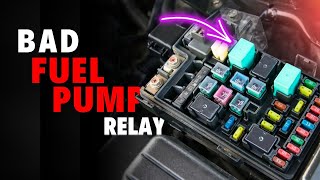
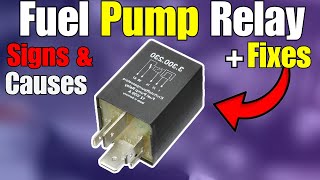
- Check the Fuel Pump Relay and Fuse: A bad relay or a blown fuse is a common and inexpensive problem that can mimic a dead fuel pump. 🎬 Watch: Learn the symptoms of a bad fuel pump relay The relay acts as an electrical switch for the pump. Check your owner's manual for the location of the fuel pump fuse and relay in the fuse box. You can test the relay with a multimeter or by swapping it with an identical relay from a non-essential system (like the horn). 🎬 See this guide on troubleshooting a bad fuel pump relay
- Perform a Fuel Pressure Test: This is the most definitive test. A fuel pressure gauge connects to a service port (Schrader valve) on the engine's fuel rail. With the engine running, the pressure should be within the manufacturer's specified range. Low pressure indicates a weak pump or a clogged filter.
- Check for Voltage at the Pump: If the pump isn't running, you can use a multimeter to check for voltage at the pump's electrical connector under the rear seat. If you have battery voltage for a few seconds when the key is turned on, but the pump doesn't run, the pump motor has failed. If there's no voltage, the problem is upstream in the wiring, relay, or fuse.
Pro Tip: If the car starts after you tap the bottom of the fuel tank with a rubber mallet while someone cranks the engine, it's a strong sign the electric motor inside the pump is worn out and sticking. This is a temporary trick to get it started, not a permanent fix.
Buying a Used Fuel Pump: What to Check
A quality, low-mileage used OEM fuel pump assembly can be a reliable and cost-effective alternative to expensive new parts. Here’s what to inspect:
- Verify Part Numbers: Ensure the OEM part number on the used unit (like MR508285 or MR508284) matches what's required for your vehicle. Cross-reference with known compatible aftermarket numbers like E7163M or FG1223.
- Inspect the Electrical Connector: Look closely at the main electrical connector on top of the assembly. The pins should be clean, straight, and free of any green or white corrosion. The plastic housing should not be melted or discolored, which would indicate overheating from a bad connection.
- Check the Plastic Housing: The entire assembly is made of plastic. Inspect it carefully for any cracks, especially around the top flange where it seals to the tank and where the fuel lines connect. A cracked housing will cause fuel leaks and fumes.
- Examine the Fuel Level Sender: The fuel level sender is part of the assembly. It has a float attached to a metal arm. Gently move the arm through its full range of motion. It should move smoothly without sticking or binding. A faulty sender will cause an inaccurate or erratic fuel gauge reading.
- Look for Cleanliness: While it's a used part, the unit should be relatively clean. Excessive dirt or rust on the metal components could indicate it came from a high-mileage or poorly maintained vehicle.
- Ask About the Donor Vehicle: If possible, get the mileage from the vehicle the part came from. A pump from a vehicle with under 100,000 miles is a much better bet than one with 200,000 miles.
Replacement Overview
Replacing the fuel pump on these vehicles is a moderately difficult job that is feasible for a DIYer with some experience. The primary advantage is that the fuel pump is accessible from inside the car, so you do not need to drop the fuel tank.
- Safety First: Disconnect the negative battery terminal. Work in a well-ventilated area and have a fire extinguisher handy. Gasoline is extremely flammable.
- Relieve Fuel Pressure: Start the engine and remove the fuel pump fuse or disconnect the relay. Let the engine run until it stalls. This depressurizes the fuel lines.
- Access the Pump: The fuel pump is located under the rear seat cushion. Remove the seat cushion to expose a metal access cover.
- Remove the Assembly: After removing the access cover, disconnect the electrical connector and fuel lines. A special tool (MB991480) is often recommended to unscrew the large plastic lock ring that holds the pump assembly in the tank.
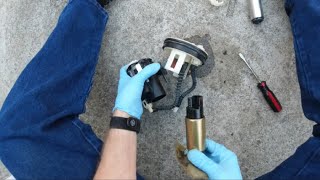
- Install the New Pump: Carefully lift the old assembly out. When installing the new one, be sure to use a new gasket and ensure it's seated correctly to prevent dangerous fuel leaks. 🎬 Watch: Step-by-step fuel pump replacement on a platform-sharing Eclipse Tighten the lock ring and reconnect the lines and electrical connector.
Cost Comparison
| Part Type | Estimated Cost | Notes |
|---|---|---|
| New OEM (Mitsubishi/Chrysler) | $545 - $848+ | Highest cost, but exact-fit and original quality. |
| New Aftermarket (Delphi, Spectra, etc.) | $90 - $280 | Varies widely by brand. Premium brands like Delphi are a good option. |
| Used OEM | $50 - $150 | Cost-effective choice. Inspect carefully before purchase. |
| Shop Labor Cost | $85 - $125 | Typically 1-1.5 hours of labor. |
Frequently Asked Questions
Do I have to drop the fuel tank to replace the pump?
No. On the 2002 Sebring/Stratus Coupes, Eclipse, and Galant, there is an access panel under the rear seat that allows you to remove and replace the fuel pump module without removing the entire fuel tank.
Can I replace just the pump motor instead of the whole assembly?
Yes, it is possible to buy just the small electric pump motor and install it into your existing plastic assembly. However, this is a more involved process that requires disassembling the module. It is often easier and more reliable to replace the entire module, which includes a new fuel level sender and strainer.
My car stalls but restarts after it cools down. Is this the fuel pump?
This is a classic symptom of a failing fuel pump. As the worn electric motor runs, it overheats and temporarily seizes. After it cools for a few minutes, it may work again until it gets hot. This is a clear sign that the pump needs to be replaced soon.
What is the difference between the Sebring/Stratus Coupe and Sedan fuel pumps?
They are completely different. The 2002 Sebring and Stratus sedans were built on a Chrysler platform and use a different fuel tank and pump. The coupes were built on a Mitsubishi platform and share their fuel pump with the Eclipse and Galant. The parts are not interchangeable.
Helpful Videos
Technical Specifications
OEM Part Numbers: MR508285 MR508284 MR990817
Fits 3.0L V6 (and some 2.4L) Coupe models only for Sebring/Stratus. Production date before 02/15/2002 may be relevant for exact fitment. Aftermarket cross-reference numbers include E7163M (Airtex), FG1223 (Delphi), SP7093M (Spectra Premium).
We Have This Part in Stock



The information in this article is provided for general reference and educational purposes only. Vehicle specifications, procedures, and part compatibility can vary by production date, trim level, and region. Always consult your vehicle's factory service manual and verify part numbers before purchasing or performing repairs. Safety-critical components such as airbags, seat belts, and braking systems should be installed by a qualified professional.
- Chrysler Sebring:
- Dodge Stratus:
- Mitsubishi Eclipse:
- Mitsubishi Galant:
- 🎬 Helpful Videos
- 🛍️ Shop This Part
- Understanding the Platform Connection
- Symptoms of a Failing Fuel Pump
- Known Issues, Recalls, and Technical Service Bulletins (TSBs)
- Diagnosing a Bad Fuel Pump
- Buying a Used Fuel Pump: What to Check
- Replacement Overview
- Cost Comparison
- Frequently Asked Questions
- 🎟️ Get 5% Off