

2004-2008 Chrysler Pacifica Auxiliary Fuel Pump: Solving the Half-Tank Stalling Problem
This guide explains the Pacifica's unique two-pump fuel system and why a failure of the secondary pump causes the engine to stall with plenty of gas left in the tank.
- The primary symptom of failure is the engine stalling when the fuel gauge reads between 1/4 and 1/2 full.
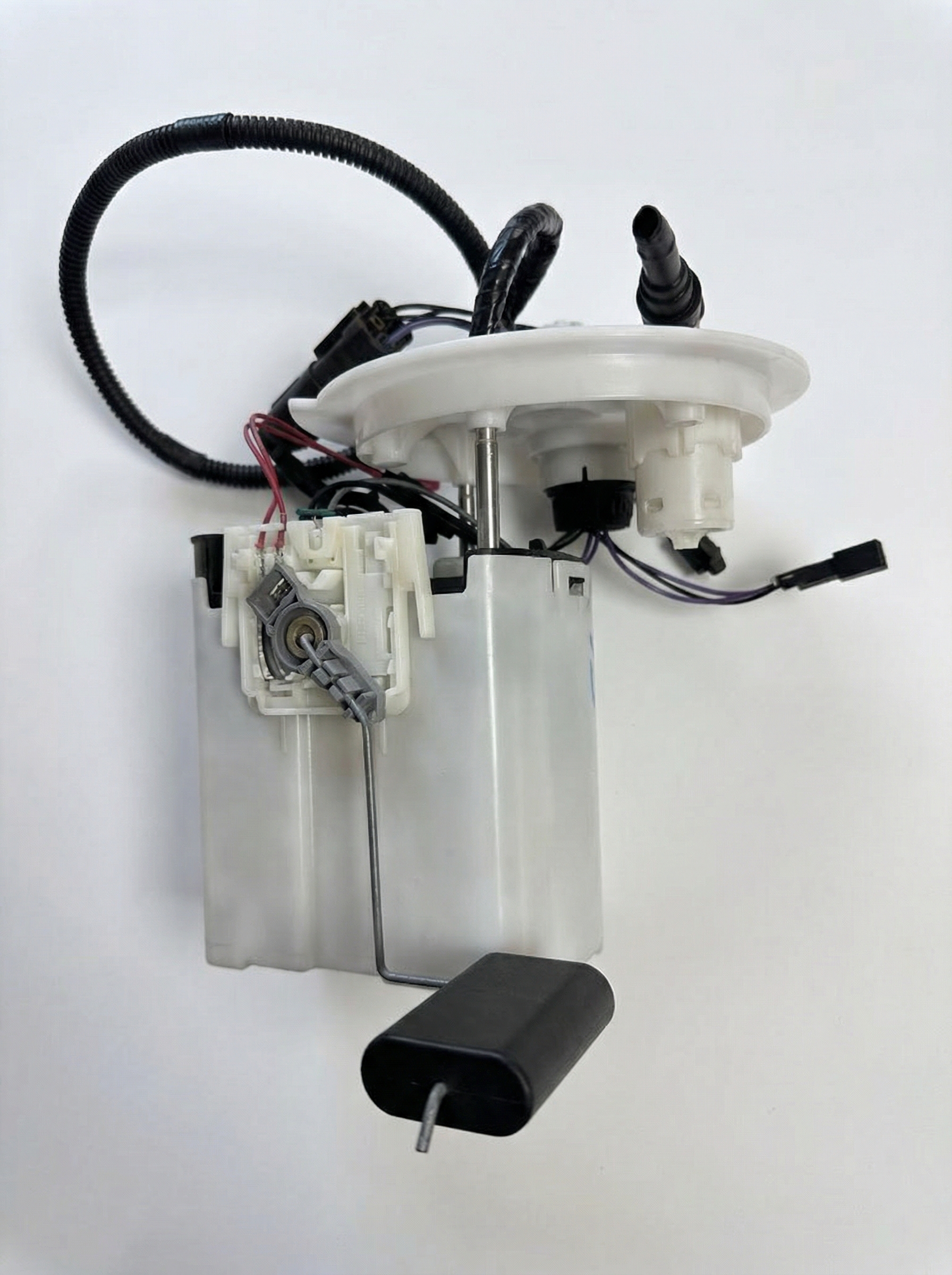
- This part is the secondary/auxiliary fuel pump on the passenger side; its only job is to transfer fuel to the primary pump's side of the tank.
- A recall (NHTSA F44 / 06V-432000) was issued for 2005-2006 models for this exact stalling issue, confirming it as a known defect.
- Replacement is a difficult job requiring the fuel tank to be dropped, making professional installation highly recommended.
Understanding the Pacifica's Dual Fuel Pump System

The most common and confusing issue with the 2004-2008 Chrysler Pacifica fuel system is an engine that stalls when the fuel gauge reads between 1/4 and 1/2 full. The vehicle will run perfectly with a full tank, but will act as if it's out of gas long before the gauge shows empty. This problem is almost always caused by a failure of the secondary fuel pump module, also known as the auxiliary or transfer pump.
Because the fuel tank is shaped like a saddle, it has two distinct reservoirs. The primary pump on the driver's side sends fuel to the engine, while the secondary pump on the passenger's side transfers fuel to the primary side. When the secondary pump fails, all the fuel on the passenger's side of the tank becomes trapped. The primary pump quickly uses up the fuel on its side, runs dry, and the engine stalls. The fuel gauge, which averages the readings from both sides, will still show a significant amount of fuel, leading to major confusion.
Warning: This article is about the Right (RH) Passenger Side Auxiliary Fuel Pump. It is NOT the main, primary fuel pump that feeds the engine. Before purchasing, you must verify which of the two pumps in your vehicle has failed.
Symptoms of a Failing Auxiliary Fuel Pump


The signs of a bad transfer pump are very specific and differ from typical fuel pump failures.
- Engine stalls with 1/4 to 1/2 tank of fuel: This is the number one symptom. The engine will crank but not restart, acting exactly as if it's out of fuel. Adding just a few gallons of gas will often allow the car to start and run again, as the new fuel partially fills the primary side of the tank.
- Stalling during turns: The issue can be more prominent during turns, especially left turns, as fuel sloshes away from the primary pump's pickup, and the failed transfer pump can't replenish it.
- Erratic Fuel Gauge (Related Issue): While often a symptom of a failing sending unit within the pump module, erratic gauge behavior on 2004 models can also be caused by a software glitch. Chrysler issued Technical Service Bulletin (TSB) 08-038-03 for this, which involves updating the Body Control Module (BCM).
Known Issues, Recalls, and Technical Service Bulletins (TSBs)

Chrysler is aware of issues with this system and has issued recalls and service bulletins.
NHTSA Recall F44 (06V-432000)
This safety recall was issued for 2005-2006 Chrysler Pacifica models for an engine stall condition. The recall addressed two separate problems:
- Secondary Fuel Pump Module Defect: On vehicles built between August and September 2004, the secondary fuel pump could have an improper press fitting on the inlet that could dislodge and stop fuel flow. The remedy was to replace the secondary fuel pump module.
- PCM Software Issue: On all 2005-2006 models built between July 2004 and November 2005, a software problem in the Powertrain Control Module (PCM) could also cause stalling. The fix was a software reflash.
Even if a vehicle was serviced under this recall, the replacement pump can still fail over time.
Buying a Used Auxiliary Fuel Pump
A used OEM auxiliary pump can be a reliable and cost-effective solution, as its function is simpler than the primary pump. However, careful inspection is key.
- Verify the Correct Part: Double-check that you are buying the Right (RH) Passenger Side Auxiliary/Transfer Pump. It has a different part number and design than the primary pump. Match the part number from your original unit to the replacement.
- Inspect the Plastic Housing: Check the entire plastic module for any cracks, especially around the hose connections and the top hat where it mounts to the tank. A broken nipple for an EVAP hose can cause check engine lights.
- Check the Electrical Connector: The pins in the connector should be clean, straight, and free of corrosion or any signs of overheating (discoloration, melted plastic).
- Confirm Compatibility: This pump is specifically for models with the 23-gallon fuel tank. Ensure the donor vehicle had the same tank configuration.
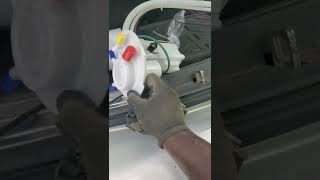
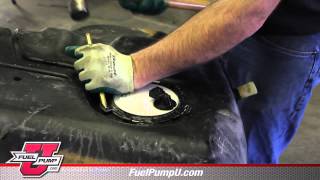
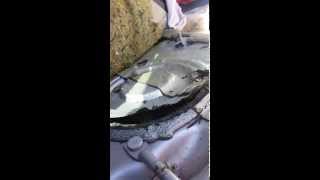
- Why Used OEM is a Good Choice: The OEM unit is designed specifically for the siphon and transfer function required by the Pacifica's saddle tank. Some cheap aftermarket units may not transfer fuel at the correct rate, potentially leading to the same stalling issues even when new. A quality used OEM part is often more reliable than a low-grade new aftermarket alternative. 🎬 See this detailed fuel pump installation walkthrough
Cost of Replacement
Replacing the auxiliary fuel pump requires dropping the fuel tank, which makes the labor cost significant.
| Part/Service | Estimated Cost |
|---|---|
| New OEM (Mopar) | $415 - $625 |
| New Aftermarket | $40 - $150 |
| Used OEM | $50 - $125 |
| Shop Labor | $280 - $400 |
Pro Tip: Since dropping the fuel tank is so labor-intensive, many mechanics recommend replacing both the primary and secondary fuel pump modules at the same time, especially on higher-mileage vehicles. This can save you from having to pay for the same labor twice in the near future.
Frequently Asked Questions (FAQ)
Why does my Pacifica stall when it says I have half a tank of gas?
This is the classic symptom of a failed secondary (passenger side) fuel pump. It can no longer transfer gas to the primary (driver's side) pump's basin, causing the primary pump to run dry and the engine to stall, even though there is still fuel in the other half of the tank.
Is this the main fuel pump?
No. This is the auxiliary, or transfer, pump located on the passenger side of the fuel tank. Its only job is to move fuel within the tank. The main fuel pump is a separate unit on the driver's side.
Can I just keep the tank full to avoid the problem?
While keeping the fuel level above half a tank will prevent the stalling issue temporarily, it is not a permanent solution. It can be an unreliable strategy and leaves you at risk of stalling if you misjudge your fuel level or cannot refuel in time.
How difficult is it to replace this pump myself?
This is an advanced repair (4 out of 5 difficulty). The entire fuel tank must be disconnected and lowered from the vehicle to access the pump module. 🎬 Watch: Step-by-step fuel tank and pump removal guide This process involves working with fuel lines and vapors, which is dangerous. It requires proper safety equipment, a way to safely lift the vehicle, and specialized tools like fuel line disconnect fittings. It is not recommended for beginners.
Helpful Videos
Technical Specifications
OEM Part Numbers: 05101805AA 05101805AB 05101805AC 5101803AE 5101805AA 5101805AB 5101805AC 68028057AA 68028057AB
Location: Right (Passenger) Side of Fuel Tank Function: Fuel Transfer / Jet Pump Fits: Models with 23-gallon fuel tank
We Have This Part in Stock


The information in this article is provided for general reference and educational purposes only. Vehicle specifications, procedures, and part compatibility can vary by production date, trim level, and region. Always consult your vehicle's factory service manual and verify part numbers before purchasing or performing repairs. Safety-critical components such as airbags, seat belts, and braking systems should be installed by a qualified professional.
- Chrysler Pacifica:
- 🎬 Helpful Videos
- 🛍️ Shop This Part
- Understanding the Pacifica's Dual Fuel Pump System
- Symptoms of a Failing Auxiliary Fuel Pump
- Known Issues, Recalls, and Technical Service Bulletins (TSBs)
- NHTSA Recall F44 (06V-432000)
- Buying a Used Auxiliary Fuel Pump
- Cost of Replacement
- Frequently Asked Questions (FAQ)
- 🎟️ Get 5% Off