

2013-2020 Chevrolet Spark Fuel Pump: Stalling, No-Start, and the 1.2L vs 1.4L Engine Split
This guide covers the critical differences between fuel pumps for the 2013-2015 and 2016-2020 Spark, common failure symptoms, and how to buy a reliable used part.
- The fuel pump for 2013-2015 (1.2L engine) and 2016-2020 (1.4L engine) models are different and NOT interchangeable.
- A completely failed pump will cause a 'crank, no start' condition; a failing one often causes stalling and a loud whine from the rear seat area.
- Replacement is DIY-friendly (3/5 difficulty) because the pump is accessed under the rear seat, not by dropping the fuel tank.
- When buying a used pump, the most important check is the electrical connector on top for any signs of melting or corrosion.
Critical Compatibility Warning: 1.2L vs. 1.4L Engines

Warning: The 2013-2020 Chevrolet Spark uses two different fuel pumps depending on the model year and engine. They are not interchangeable. Installing the wrong pump will result in fuel delivery problems or a no-start condition.
- 2013-2015 Chevrolet Spark: These models use the 1.2L gasoline engine. They require a specific fuel pump assembly.
- 2016-2020 Chevrolet Spark: These models use the 1.4L gasoline engine. They require a different fuel pump assembly.
Always verify the seller has correctly identified the part for your specific year and engine before purchasing. This guide does not apply to the all-electric Spark EV model, which does not have a gasoline fuel pump.
Symptoms of a Failing Fuel Pump

A fuel pump in a Chevy Spark usually gives warning signs before it fails completely. Recognizing these symptoms can prevent you from being stranded.
- Engine Cranks but Won't Start: 🎬 Watch: How to diagnose a crank-no-start fuel pump issue This is the most common sign of a completely dead fuel pump. You'll hear the engine turn over, but it never fires up because it's not getting any fuel.
- Engine Stalling: The engine may start and run, but then stall unexpectedly, especially at idle or low speeds. This can be very dangerous if it happens in traffic.
- Hesitation or Sputtering: When you press the gas pedal, the car may hesitate, sputter, or jerk as the failing pump struggles to supply enough fuel.
- Loud Whining Noise: A noticeable humming or whining sound coming from the rear seat area (above the fuel tank) is a classic sign of a pump motor that is working too hard and about to fail. A healthy pump makes a very faint hum for two seconds when you first turn the key.
- Loss of Power: The car may feel sluggish, especially when accelerating or driving up hills.
- Check Engine Light: A failing pump can trigger the check engine light. A common trouble code is P0087 (Fuel Rail/System Pressure - Too Low), which directly points to a fuel delivery issue.
Known Issues, Recalls, and Technical Service Bulletins (TSBs)

As of mid-2026, there are no active NHTSA safety recalls specifically for the fuel pump on any 2013-2020 Chevrolet Spark model. However, owner forums and mechanic reports indicate that fuel pump failures are not uncommon.
Known Weak Point: Electrical Connector
A frequently reported issue is a corroded or melted electrical connector on top of the fuel pump assembly. This poor connection can cause intermittent power loss, leading to stalling, or it can cut power completely, causing a no-start condition. 🎬 Watch: Troubleshooting a Chevy Spark no-start electrical issue This is a critical inspection point for both diagnosis and when buying a used part.
Buying a Used Fuel Pump: What to Check

A low-mileage, recycled OEM fuel pump can be a reliable and cost-effective alternative to expensive new parts. However, you must inspect it carefully.
- Verify the Part Number and Fitment: This is the most important step. Double-check that the part came from a Spark with the same engine as yours (1.2L for 2013-2015, 1.4L for 2016-2020). Cross-reference OEM part numbers if possible.
- Inspect the Electrical Connector: Look closely at the plastic connector on the top of the unit. Reject any pump that shows signs of browning, melting, charring, or green/white corrosion on the pins. This indicates it was overheating or had a bad connection and is likely to fail soon.
- Check the Plastic Housing: The main body of the pump is plastic. Inspect it for any cracks, especially around the fuel line ports and the mounting flange. A cracked housing can leak fuel vapors, which is a safety hazard.
- Examine the Float and Sending Unit: Make sure the metal float arm moves freely and isn't bent or damaged. This part controls your fuel gauge, so if it's broken, your gauge won't work correctly.
- Check the Fuel Strainer: The small filter sock at the bottom of the pump should be present. While it's best practice to install a new one, a very dark or debris-filled strainer on the used unit suggests it came from a tank with a lot of sediment.
Pro Tip: Choosing a used OEM pump from a reputable recycler is often safer than buying the cheapest new aftermarket pump online. OEM units are built to stricter standards with better quality internal motors and sensor components that are designed to last.
Replacement Overview & Difficulty

- Difficulty Rating: 3 out of 5
- Estimated Time: 1.5 - 2.5 hours
- DIY Feasible: Yes
Replacing the fuel pump on a Chevy Spark is a manageable DIY job for someone with basic mechanical skills. The biggest advantage is that the pump is accessible from an access panel under the rear seat cushion, so you do not have to drop the entire fuel tank.
General Steps:
- Disconnect the negative battery terminal.
- Relieve the fuel system pressure to prevent fuel from spraying out.
- Remove the rear seat bottom cushion to expose the fuel pump access panel.
- Remove the panel, then disconnect the electrical connector and fuel line.
- Unscrew the large plastic locking ring that holds the pump in place. This may require a special tool, though careful use of a brass punch and hammer is a common alternative.
- Carefully lift the old pump assembly out of the tank, being mindful not to bend the float arm.
- Install the new pump with a new tank seal/gasket. This is mandatory to prevent fuel leaks and vapor smells.
- Reassemble in reverse order. Prime the pump by turning the key to the 'On' position (without starting) a few times before starting the engine.
Cost to Replace a Chevrolet Spark Fuel Pump
Prices vary based on your location and which part you choose. The significant cost difference between model years is due to the different part numbers for the 1.2L and 1.4L engines.
| Part or Service | Estimated Cost |
|---|---|
| Shop Labor | $210 - $330 |
| New OEM (Dealer) | $350 - $500+ |
| New Aftermarket | $80 - $290 |
| Used OEM | $75 - $150 |
| Total Cost (New Aftermarket Part, Professional Install) | $290 - $620 |
| Total Cost (New OEM Part, Professional Install) | $560 - $830+ |
Frequently Asked Questions (FAQ)
Where is the fuel pump located on a 2013-2020 Chevy Spark?
The fuel pump is located inside the gas tank. It can be accessed through a service panel underneath the rear passenger seat cushion, so you do not need to remove the tank from the vehicle.
Can I just replace the fuel pump motor instead of the whole assembly?
While it is sometimes possible to buy just the small motor, it is not recommended. The job requires disassembling the plastic module, which can be brittle. Furthermore, failures are often 🎬 Watch: How to replace the fuel pump motor inside the assembly caused by other parts of the assembly, like the electrical connector or the integrated filter. Replacing the complete module is much more reliable and often not much more expensive.
Is there a recall on the Chevy Spark fuel pump?
No, as of mid-2026, there are no specific safety recalls from Chevrolet or the NHTSA for fuel pump failure on the 2013-2020 Spark.
What is the most common cause of failure?
Aside from normal wear and tear, a common failure point is the electrical connector on top of the pump assembly, which can corrode or melt, causing a loss of power. Consistently driving on a very low tank of fuel can also cause the pump to overheat and fail prematurely, as it relies on being submerged in gasoline for cooling.
Helpful Videos
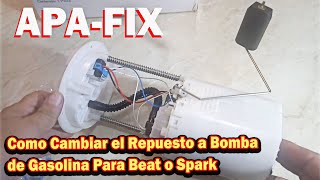
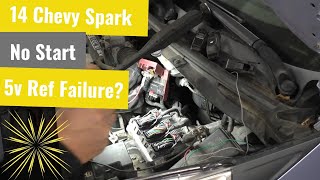
Technical Specifications
OEM Part Numbers: 13585385 13589775 19367492 13512677 13515298 13592419 13592603 M100076 E4072M P77089M M100122 FG1816 M100262 FG2306
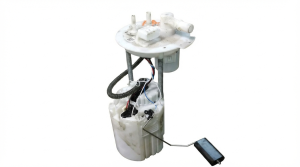
The fuel pump is a complete module assembly including the pump, sending unit, and strainer. It is located inside the fuel tank and is accessible from under the rear seat. Two distinct versions exist: one for the 2013-2015 1.2L engine and another for the 2016-2020 1.4L engine.
We Have This Part in Stock



The information in this article is provided for general reference and educational purposes only. Vehicle specifications, procedures, and part compatibility can vary by production date, trim level, and region. Always consult your vehicle's factory service manual and verify part numbers before purchasing or performing repairs. Safety-critical components such as airbags, seat belts, and braking systems should be installed by a qualified professional.
- Chevrolet Spark:
- 🎬 Helpful Videos
- 🛍️ Shop This Part
- Critical Compatibility Warning: 1.2L vs. 1.4L Engines
- Symptoms of a Failing Fuel Pump
- Known Issues, Recalls, and Technical Service Bulletins (TSBs)
- Known Weak Point: Electrical Connector
- Buying a Used Fuel Pump: What to Check
- Replacement Overview & Difficulty
- Cost to Replace a Chevrolet Spark Fuel Pump
- Frequently Asked Questions (FAQ)
- 🎟️ Get 5% Off