

2012-2020 Chevrolet Sonic Fuel Pump: Stalling, Symptoms, and Replacement Guide
This guide covers the common failure symptoms, critical compatibility checks, and replacement costs for the 2012-2020 Chevrolet Sonic fuel pump.
- The most common symptoms of failure are engine stalling, cranking but not starting, and a loud whining noise from the fuel tank area.
- Compatibility is critical. You must verify your engine (1.4L or 1.8L) and confirm your 1.8L is a non-Flex Fuel model by checking for 'G' as the 8th VIN digit.
- Replacement is easier than on many vehicles because the pump is accessible under the rear seat, avoiding the need to drop the fuel tank.
- A faulty Fuel Pump Control Module (FPCM) can mimic the symptoms of a bad fuel pump and should be considered during diagnosis.
Symptoms of a Failing Fuel Pump

A failing fuel pump in a Chevrolet Sonic will cause noticeable performance issues. Because the pump's job is to supply the engine with fuel, the most common symptoms are related to fuel starvation.
- Engine Cranks but Won't Start: The engine turns over but never fires up because it's not receiving fuel.
- Stalling: The engine may stall unexpectedly, especially when it's warm or under load. This can be dangerous if it happens while driving.
- Hesitation or Sputtering: When you press the accelerator, the car may hesitate, sputter, or jerk because the pump can't supply the extra fuel needed for acceleration.
- Loss of Power: The vehicle may feel sluggish and struggle to maintain speed, particularly when going uphill.
- Loud Whining Noise: A failing fuel pump motor often makes a loud, high-pitched whining or buzzing sound from the rear of the car, near the fuel tank. You might hear this most clearly when you first turn the key.
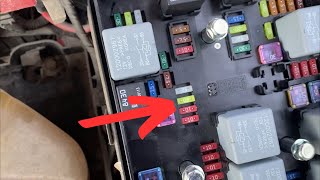
- Check Engine Light: A faulty fuel pump can trigger the check engine light. A common trouble code is P0230, which points to a problem in the fuel pump's primary electrical circuit. 🎬 Watch: How to find the fuel pump control module fuse Another related code could be P0087 for low fuel rail pressure.
Compatibility: Critical Checks for the 2012-2020 Sonic

Not all fuel pumps for the 2012-2020 Sonic are the same. Ordering the wrong part is a common and frustrating mistake. Verify these three things before purchasing.
Engine: 1.4L Turbo vs. 1.8L
The Sonic was available with either a 1.4L turbocharged engine or a 1.8L naturally aspirated engine. While some fuel pumps fit both, it's crucial to confirm the part you are buying is listed for your specific engine.
Fuel Type: Non-Flex Fuel (VIN Check)
This is a major compatibility trap. Most replacement fuel pumps fit the 1.8L non-Flex Fuel engine only. You can verify this by checking the 8th digit of your Vehicle Identification Number (VIN). If the 8th digit is 'G', you have the standard non-Flex Fuel 1.8L engine.
Emissions: PZEV vs. Non-PZEV Models
Some Sonics were built to Partial Zero-Emission Vehicle (PZEV) standards, which required a different fuel tank and pump assembly to minimize fuel vapor emissions. The provided OEM part numbers appear to be for PZEV models, but it's critical to verify which emissions system your car has before buying.
Warning: Some OEM and aftermarket fuel pump modules are sold without the fuel level sensor (sending unit). If your fuel gauge is working correctly, you may be able to transfer your old sensor to the new module. If not, you will need to purchase the sensor separately.
Buying a Used OEM Fuel Pump: What to Inspect

A low-mileage used OEM fuel pump can be a reliable and cost-effective alternative to an expensive new unit or a questionable aftermarket part. Here’s what to look for:
- Verify the Part Number: Match the part number stamped on the top of the used pump module with the OEM numbers known to fit your vehicle.
- Check the Donor Vehicle's Specs: Confirm the year, engine, and VIN of the vehicle the part came from to ensure compatibility.
- Inspect the Housing: Look for any cracks, deep scratches, or signs of heat damage on the plastic module housing. Pay close attention to the fuel line connection points and the electrical connector.
- Examine the Electrical Connector: The pins inside the connector should be clean, straight, and free of any corrosion or green residue. Damaged pins can cause intermittent electrical problems.
- Look for Cleanliness: A pump that comes from a clean fuel tank is a good sign. Excessive rust or debris on the exterior of the module could indicate the donor car had fuel contamination issues.
Replacement Overview

Replacing the fuel pump on a Chevrolet Sonic is a moderately difficult job that a skilled DIYer can perform. Unlike many cars that require dropping the fuel tank, the Sonic's fuel pump can be accessed from under the rear seat.
- Difficulty: 2.5 out of 5
- Estimated Time: 1.5 - 2 hours
- Location: The pump is located in the fuel tank, accessible via a panel under the rear seat cushion. Some owners have noted that on certain models, an access hole must be carefully cut in the sheet metal under the seat. 🎬 See this step-by-step fuel pump replacement walkthrough
Pro Tip: It is much safer and easier to work on a fuel tank that is nearly empty. Plan to perform this repair when your fuel level is low.
Known Issues, Recalls, and Service Bulletins
- Recall 13V464000: For certain 2013-2014 Sonics, the front fuel tank strap bracket may have had insufficient welds and could separate. This would not directly cause the pump to fail but relates to the fuel tank's mounting.
- TSB PIC5703A: Some owners of 2012-2014 Sonics reported an inoperative fuel gauge that would get stuck on empty, often setting a P0461 trouble code. The bulletin states this can be caused by overfilling the fuel tank or topping it off too frequently, which confuses the system's fuel usage calculations.
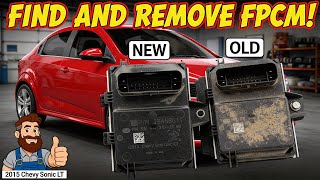
- Fuel Pump Control Module (FPCM): In some cases, the issue may not be the pump itself but the FPCM (also called the FSCM). This module controls the voltage sent to the fuel pump. On the Sonic hatchback, it is located behind the passenger-side rear interior trim panel. 🎬 Watch: How to locate and replace the FPCM
Cost Comparison: New vs. Used
The cost of a new OEM fuel pump from a dealer can be quite high, making used OEM or new aftermarket parts attractive options.
| Part Type | Estimated Price Range |
|---|---|
| New OEM | $170 - $310+ |
| New Aftermarket | $240 - $520 |
| Used OEM | $75 - $150 |
| Shop Labor | $171 - $301 |
Frequently Asked Questions
Do I have to drop the fuel tank to replace the pump?
No, on the Chevrolet Sonic, you can access the fuel pump module through a panel under the rear seat cushion, which makes the job significantly easier than on vehicles where the tank must be removed.
Is the fuel filter inside the fuel pump module?
Yes, like most modern vehicles, the fuel filter (often called a fuel strainer or sock) is integrated into the fuel pump module assembly inside the tank. When you replace the module, you are also replacing the filter.
Can a bad fuel pump cause my car to use more gas?
While less common, a failing fuel pump can sometimes send too much fuel, causing reduced fuel economy. More often, however, it fails to send enough fuel, leading to power loss and stalling.
My new fuel pump is making a whining noise. Is it bad?
A quiet hum is normal for an electric fuel pump, especially right after you turn the key. However, a loud, high-pitched whine can be a sign of a defective pump or a problem with fuel flow. If the noise is very noticeable from inside the cabin, it's worth investigating.
OEM Part Numbers
This list includes known OEM part numbers for the 2012-2020 Chevrolet Sonic fuel pump module. Always verify the exact part number for your specific VIN with a dealer or trusted parts supplier.
- 13507609
- 13515202
- 13515227
- 13575958
- 13577817
- 13577818
- 13592097
- 13592112
- 13592113
Helpful Videos

Technical Specifications
OEM Part Numbers: 13507609 13515202 13515227 13575958 13577817 13577818 13592097 13592112 13592113
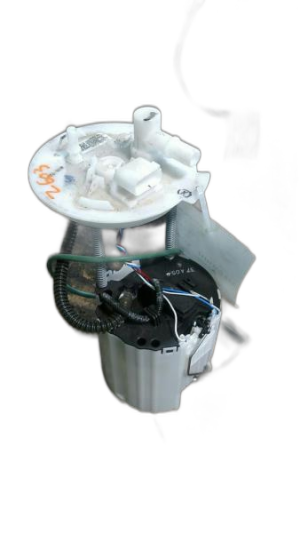
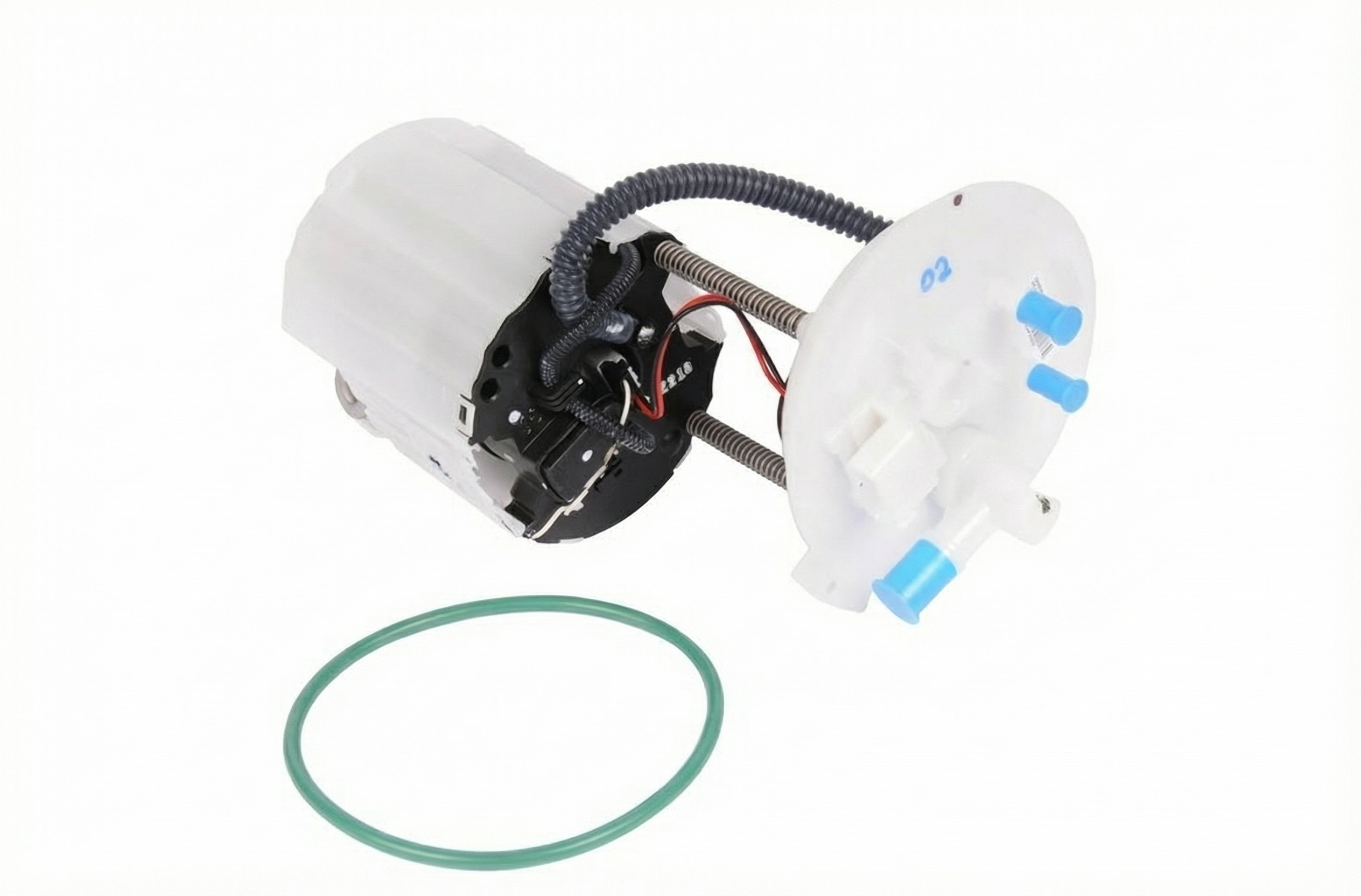
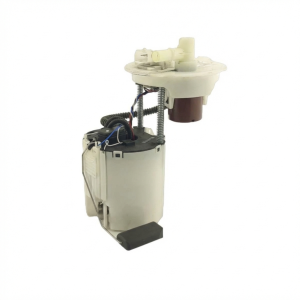
Electric in-tank fuel pump module assembly.
We Have This Part in Stock

The information in this article is provided for general reference and educational purposes only. Vehicle specifications, procedures, and part compatibility can vary by production date, trim level, and region. Always consult your vehicle's factory service manual and verify part numbers before purchasing or performing repairs. Safety-critical components such as airbags, seat belts, and braking systems should be installed by a qualified professional.
- Chevrolet Sonic:
- 🎬 Helpful Videos
- 🛍️ Shop This Part
- Symptoms of a Failing Fuel Pump
- Compatibility: Critical Checks for the 2012-2020 Sonic
- Engine: 1.4L Turbo vs. 1.8L
- Fuel Type: Non-Flex Fuel (VIN Check)
- Emissions: PZEV vs. Non-PZEV Models
- Buying a Used OEM Fuel Pump: What to Inspect
- Replacement Overview
- Known Issues, Recalls, and Service Bulletins
- Cost Comparison: New vs. Used
- Frequently Asked Questions
- OEM Part Numbers
- 🎟️ Get 5% Off