

Diagnosing Fuel Pump Failures in 2018-2025 Audi A4, A5, S4, S5 & Allroad
This guide covers common failure symptoms, diagnostic tips, and what to look for when buying a replacement in-tank fuel pump for B9-platform Quattro models.
- This fuel pump is ONLY for 2018-2025 Audi A4, S4, A5, S5, and Allroad models with Quattro/AWD.
- The most common symptoms of failure are a 'crank, no-start' condition, hesitation while driving, or a loud whining noise from under the rear seat.
- There are no major recalls for this specific part on these models; failures are typically from age and wear.
- When buying a used pump, physically inspect the electrical connector for melting and the plastic housing for cracks.
Compatibility Warning: Quattro Models Only

Important: This in-tank fuel pump assembly is designed exclusively for 2018-2025 Audi A4, S4, A5, S5, and Allroad models equipped with All-Wheel Drive (AWD/Quattro). It will not fit Front-Wheel Drive (FWD) models or the high-performance RS5, which use a different fuel tank and pump design. Always verify your vehicle is a Quattro model before purchasing.
Symptoms of a Failing Fuel Pump

A failing fuel pump in your Audi can cause a range of issues, from subtle performance problems to leaving you stranded. Because it's the first step in the fuel delivery process, its failure starves the engine of the gasoline it needs to run. Here are the most common signs to watch for:
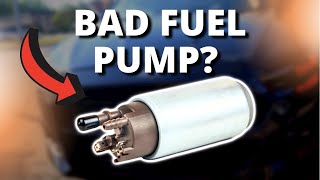
🎬 Watch: A quick guide to common bad fuel pump symptoms.1. Engine Cranks but Does Not Start
This is the most definitive symptom of a completely failed fuel pump. You'll turn the key or press the start button, and the engine will turn over (you'll hear the classic 'cranking' sound), but it will never fire up and run. This happens because the starter is working, but there is no fuel reaching the engine for combustion.
2. Long Crank Time
Before a total failure, a weak fuel pump may struggle to build adequate pressure in the fuel lines when the car is off. This results in a longer-than-usual cranking time before the engine finally starts. Instead of firing up immediately, the engine might turn over for several seconds before it catches.
3. Engine Stuttering or Hesitation
If the fuel pump can't provide a consistent flow of fuel, the engine can sputter or hesitate, especially when you demand more power. This might feel like a series of jerks or a brief loss of power when you're accelerating, climbing a hill, or driving at steady highway speeds.
4. Whining Noise from the Rear Seat Area
A healthy fuel pump makes a quiet, almost inaudible hum when you first turn the car on. A failing pump motor often develops a loud, high-pitched whining or buzzing sound. The sound comes from the fuel tank, which is located under the rear passenger seat, so it will be most noticeable from inside the cabin.
5. Sudden Engine Stalling
A pump that is overheating or failing intermittently can cause the engine to stall without warning while driving. The engine may restart after it has cooled down for a few minutes, only to stall again later. This is a serious safety concern, as it can happen at any speed.
6. Check Engine Light and Fuel-Related Fault Codes
A struggling fuel pump can trigger the Check Engine Light. A diagnostic scan may reveal codes related to low fuel pressure or a lean air-fuel mixture. Common codes include:
- P0087: Fuel Rail/System Pressure - Too Low
- P0190: Fuel Rail Pressure Sensor Circuit Malfunction
- P0171: System Too Lean (Bank 1)
Known Issues, Recalls, and TSBs
As of early 2026, there are no active recalls or widespread Technical Service Bulletins (TSBs) specifically for fuel pump failure on the 2018-2025 Audi A4, S4, A5, S5, and Allroad Quattro models. Searches of the NHTSA database show recalls for other Audi models or different components, but not for the in-tank fuel pump on this specific B9 platform. For example, NHTSA campaign 23V-867 relates to the high-voltage battery in e-tron models, not gasoline fuel pumps. Another recall for a fuel pump suction seal (20YF) affects FWD Audi A3 models, not the Quattro vehicles covered here. Failures on these models are generally due to normal wear and tear over time.
Buying a Used Fuel Pump: What to Check

A used OEM fuel pump can offer significant savings over a new part, often costing a fraction of the dealer price. However, since it's a critical component, careful inspection is key. Here’s what to look for:
- Verify the Part Number: Make sure the part number on the unit matches 8W0919087AA or the superseding number 8W0919087K. This is the most important step to ensure compatibility.
- Inspect the Electrical Connector: Look closely at the electrical pins and the plastic connector housing. Any signs of melting, browning, or charring are major red flags. This indicates the pump was overheating and drawing too much current, and it should be rejected immediately.
- Check the Plastic Housing: The entire assembly is made of plastic. Carefully inspect the top hat and the body of the pump for any cracks, especially around the fuel line nipples and the outer edges. A cracked housing can cause fuel leaks and pressure loss.
- Examine the Fuel Level Sender: The float and arm for the fuel gauge are part of the assembly. Ensure the arm moves freely and isn't bent or broken.
- Ask for Mileage: If possible, get the mileage from the vehicle the pump was removed from. A pump from a low-mileage vehicle is always preferable. While these pumps can last a long time, lower mileage means less wear on the internal motor.
- Look for Contamination: Check the strainer (the small filter sock at the bottom) for excessive dirt or debris. A completely clogged strainer might suggest the pump was struggling or that the donor vehicle had a contaminated fuel tank.
Pro Tip: Choosing a used OEM (Original Equipment Manufacturer) pump over a cheap, new aftermarket part is often a wise decision. OEM pumps are built to Audi's exact specifications for flow rate, pressure, and durability, ensuring proper communication with the vehicle's computer and a perfect fit in the tank.
Replacement Cost Breakdown
The cost to replace the fuel pump can vary significantly based on the part source and labor rates. The job typically takes 2-3 hours for a professional technician.
| Part Source | Estimated Part Cost |
|---|---|
| New OEM (Dealer) | $450 - $550 |
| New Aftermarket (OEM-quality) | $400 - $500 |
| Used OEM (Recycled) | $75 - $200 |
| Shop Labor | $300 - $500 |
Replacement Overview & Difficulty
Replacing the in-tank fuel pump is an intermediate-level job that requires care and safety precautions due to the presence of gasoline fumes.
- Difficulty: 3 out of 5
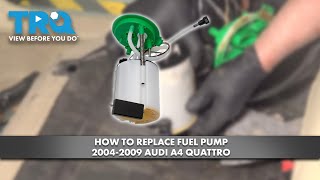
- Location: The pump is located inside the fuel tank and is accessed by removing the rear seat bottom cushion. A metal or plastic cover is then removed 🎬 See this step-by-step Audi S5 fuel pump replacement walkthrough. to expose the top of the fuel pump assembly.
- Special Tools: A special lock ring tool is highly recommended to remove the large plastic ring that holds the pump in place. Using a hammer and screwdriver can easily break the fragile plastic tabs on the ring, leading to a poor seal.
- Safety First: This job must be done in a well-ventilated area. Disconnect the battery, relieve fuel system pressure, and have a Class B fire extinguisher nearby before starting.
Frequently Asked Questions (FAQ)
Is this the high-pressure fuel pump (HPFP)?
No. This is the low-pressure in-tank fuel pump (LPFP). The HPFP is a separate part mounted directly on the engine.
Do I need to replace the fuel filter at the same time?
The fuel pump assembly has an integrated fuel strainer (a sock-like filter), which will be new if you are installing a new or complete used assembly. The B9 platform vehicles do not have a separate, serviceable in-line fuel filter like older cars, so replacing the pump assembly is sufficient.
Does the new fuel pump need to be programmed or coded?
No, a replacement in-tank fuel pump does not require any special programming or software adaptation. It is a plug-and-play component.
Why does this pump only fit Quattro models?
Quattro models have a different-shaped fuel tank to accommodate the rear differential and driveshaft. This "saddle" tank requires a specific pump and sending unit assembly to draw fuel from both sides of the tank correctly. FWD models have a simpler tank design and use a different pump.
Helpful Videos

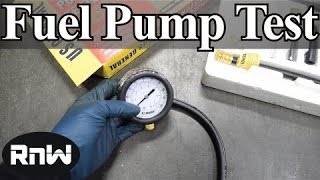
Technical Specifications
OEM Part Numbers: 8W0919087AA 8W0919087K
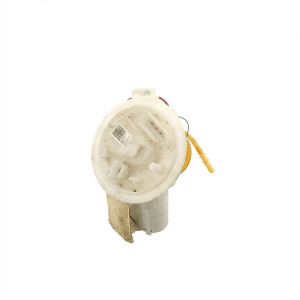
In-tank low-pressure fuel pump (LPFP) assembly for Quattro models.
We Have This Part in Stock



The information in this article is provided for general reference and educational purposes only. Vehicle specifications, procedures, and part compatibility can vary by production date, trim level, and region. Always consult your vehicle's factory service manual and verify part numbers before purchasing or performing repairs. Safety-critical components such as airbags, seat belts, and braking systems should be installed by a qualified professional.
- Audi S5:
- Audi A4:
- Audi A5:
- Audi Allroad:
- Audi S4:
- 🎬 Helpful Videos
- 🛍️ Shop This Part
- Compatibility Warning: Quattro Models Only
- Symptoms of a Failing Fuel Pump
- 1. Engine Cranks but Does Not Start
- 2. Long Crank Time
- 3. Engine Stuttering or Hesitation
- 4. Whining Noise from the Rear Seat Area
- 5. Sudden Engine Stalling
- 6. Check Engine Light and Fuel-Related Fault Codes
- Known Issues, Recalls, and TSBs
- Buying a Used Fuel Pump: What to Check
- Replacement Cost Breakdown
- Replacement Overview & Difficulty
- Frequently Asked Questions (FAQ)
- 🎟️ Get 5% Off