

2013-2017 Audi A4, S4, A5, S5 & RS5 In-Tank Fuel Pump Failure: Symptoms and Replacement Guide
Diagnose a crank-no-start, engine stall, or whining from the rear seat in your Audi A4, S4, A5, S5, or RS5 with this definitive guide to the in-tank fuel pump.
- The most common symptom of a failed in-tank pump is an engine that cranks but refuses to start.
- For A4/A5 models with the 2.0L engine, you MUST verify your engine code is CAEB, CAED, or CAE before buying this part.
- A loud whining noise from under the rear seat is a classic sign of a dying fuel pump motor.
- Always replace the fuel tank seal when replacing the pump, and use a special tool for the locking ring to avoid damage.
Is it the Low-Pressure or High-Pressure Fuel Pump?

Before diagnosing a fuel issue on your 2013-2016 Audi A4, 2013-2016 S4, 2013-2016 A5, 2013-2017 S5, or 2013-2015 RS5, it's critical to understand which fuel pump might be the problem. These direct-injection engines have two.
- In-Tank Low-Pressure Fuel Pump (LPFP): This is the part covered in this guide. It sits inside the fuel tank under the rear seat. Its failure typically causes a 'crank-no-start' condition or engine stalling because it can't send any fuel to the engine.
- Engine-Mounted High-Pressure Fuel Pump (HPFP): This pump is mechanically driven by the engine's camshaft. Its failure is more likely to cause a loss of power under acceleration, rough running, and fault codes like P0087 (Fuel Rail/System Pressure - Too Low). On 2.0T engines, HPFP issues are sometimes linked to timing chain problems. A critical sign of HPFP failure is a strong smell of gasoline in the engine oil.
This guide will help you diagnose and replace the in-tank low-pressure fuel pump.
Symptoms of a Failing In-Tank Fuel Pump

When the in-tank fuel pump begins to fail, it can cause a variety of noticeable symptoms. You may experience one or more of the following:
Vehicle Coverage: This guide applies to the 2013-2016 Audi A4, 2013-2016 Audi S4, 2013-2016 Audi A5 & A5 Quattro, 2013-2017 Audi S5, and 2013-2015 Audi RS5. While engines differ (2.0T, 3.0T V6, 4.2L V8), they share this in-tank fuel pump assembly.
1. Engine Cranks But Will Not Start
This is the most common and definitive sign of a completely failed in-tank fuel pump. The engine will turn over with the key or start button, but it will never fire up and run. This happens because the starter is working correctly, but no fuel is being delivered to the engine for combustion.
🎬 Watch this step-by-step diagnostic video for a no-start Audi.2. Engine Stalling
The engine may start and run for a few moments or even several minutes before suddenly shutting off. This stalling can be intermittent and may happen without warning, such as when stopped at an intersection or even while driving, which poses a significant safety risk.
3. Loud Whining or Humming Noise
A failing fuel pump motor will often emit a loud, high-pitched whine or buzz. Since the pump is located under the rear passenger-side seat, the noise is usually easy to hear from inside the cabin. A healthy pump makes a quiet hum for a second or two when you first turn the key to 'On' as it primes the system; a failing pump's noise will be much louder and more persistent.
4. Hesitation or Sputtering Under Load
If the pump is weak but hasn't failed completely, it may struggle to supply enough fuel when demand is high, such as during acceleration or when climbing a hill. This can cause the engine to sputter, hesitate, or feel like it's losing power.
5. Check Engine Light and Fault Codes
A struggling pump can trigger a Check Engine Light. Common diagnostic trouble codes (DTCs) include:
- P0087: Fuel Rail/System Pressure - Too Low
- P310B: Low Fuel Pressure Regulation, Fuel pressure outside specification
- P0171: System Too Lean (Bank 1)
- P3073: Fuel Pump Electrical Malfunction
Known Issues, Recalls, and Technical Service Bulletins (TSBs)

While there are no widespread recalls for the fuel pump assembly itself on the A4, S4, A5, S5, or RS5 models covered here, Volkswagen Group has issued recalls for similar parts on related vehicles. Notably, NHTSA campaign 17V298 (Audi recall 20Z8) was issued for 2013-2017 Audi Q5 models because the fuel pump's plastic flange could develop cracks, leading to dangerous fuel leaks. While this recall doesn't officially cover the sedans and coupes in this guide, it highlights a potential weakness in the materials used. Always inspect the plastic top hat of any replacement pump for fine cracks.
Fitment Warning for 2.0L Engines: For the Audi A4 and A5 (including A5 Quattro), this fuel pump is only correct for vehicles with a 2.0L engine bearing the codes CAEB, CAED, or CAE. These models are gasoline-only and this part will not work with Flex Fuel vehicles. Always verify your engine code before ordering.
Buying a Used Fuel Pump: What to Check
A recycled OEM fuel pump can be a reliable and cost-effective alternative to an expensive new dealer part. However, careful inspection is key.
- Verify the Part Number: Match the OEM part number from your old pump to the replacement. Common numbers include 8K0919051AD, 8K0919051AS, and 8K0919051AJ. The part may be branded Audi/VW or VDO; VDO is the original equipment manufacturer, so a VDO part is equivalent to genuine.
- Inspect the Plastic Housing: Look closely at the top plastic flange (the 'top hat'). Check for any hairline cracks, especially around the hose connections and the outer edge. A pump with any visible cracks should be rejected, as it could leak fuel.
- Check the Electrical Connector: The main electrical plug on top of the pump should be clean, with no signs of melting, charring, or corrosion on the pins. A melted connector indicates the old pump was overheating and could have damaged the vehicle's wiring harness.
- Examine the Fuel Level Sender: The fuel level sender is the arm with a float attached. Ensure the arm moves freely and the float is not damaged or full of fuel.
- Choose OEM Over Cheap Aftermarket: For a critical component like a fuel pump, a quality used OEM or new OEM-brand (VDO) part is almost always a better choice than a cheap, unbranded aftermarket pump. OEM pumps are built to meet Audi's specific pressure and flow requirements, ensuring proper engine performance and longevity.
Replacement Overview & Difficulty

Replacing the in-tank fuel pump is a moderately difficult job that a skilled DIY mechanic can perform. The pump is located under the rear seat on the passenger side.
- Difficulty Rating: 3 out of 5
- Estimated Time: 1.5 - 2.5 hours
- DIY Feasible: Yes, for those comfortable working with fuel systems.
Pro Tip: It is much easier and safer to perform this job when the fuel tank is less than 1/4 full. A full tank will cause fuel to spill into the cabin when the pump is removed.
General Steps:
- Disconnect the negative battery terminal.
- Remove the rear seat bottom cushion.
- Unscrew the three screws holding the metal access cover and remove it.
- Thoroughly clean the area to prevent dirt from falling into the tank.
- Disconnect the electrical connector and the fuel lines. Be prepared for some residual fuel to spill; have rags ready.
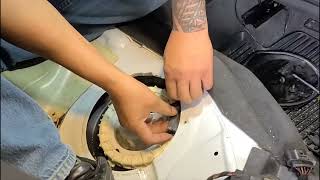
- Unscrew the large black plastic locking ring that holds the pump in place. A special tool is highly recommended to avoid breaking the ring.
- Carefully lift the pump assembly out of the tank, maneuvering it around the fuel level sender arm.
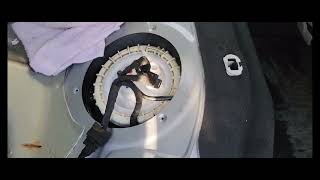
- Installation is the reverse of removal. Always use a new fuel tank seal/gasket. 🎬 See this complete fuel pump replacement walkthrough on an A4.
Cost Comparison
Prices for a replacement fuel pump can vary significantly. Labor at a repair shop typically costs between $260 and $460.
| Part Type | Estimated Price Range | Notes |
|---|---|---|
| New Genuine Audi | $700 - $1500+ | Highest cost, purchased from an Audi dealership. |
| New OEM (VDO) | $250 - $450 | Same part as genuine without the Audi logo. Excellent quality and value. |
| New Aftermarket | $100 - $250 | Quality and longevity can be inconsistent. May not meet exact OEM pressure specs. |
| Used OEM | $75 - $150 | Cost-effective option. Inspect carefully before purchasing. |
Frequently Asked Questions (FAQ)
Do I need a special tool to replace this fuel pump?
Yes, a special tool designed to remove the large plastic locking ring on top of the fuel tank is highly recommended. Attempting to remove it with a hammer and screwdriver will likely break the fragile plastic ring, requiring you to purchase a new one.
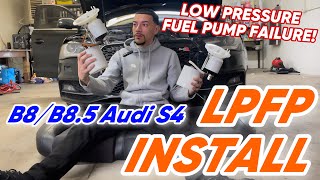
🎬 Watch how to install a low-pressure fuel pump on an S4.My car stalls but has no Check Engine Light. Could it still be the fuel pump?
Yes. A fuel pump can fail intermittently without always setting a fault code, especially in the early stages of failure. If you experience sudden engine stalling, especially if accompanied by a whining noise from the rear of the car, the fuel pump is a primary suspect.
Can I just replace the pump motor instead of the whole assembly?
While it is sometimes possible to buy just the internal motor, it is not recommended. The complete assembly includes the housing, fuel level sender, and internal filters that are designed to work together. Replacing the entire module is more reliable and ensures all related components are new and clean.
Should I replace the fuel filter at the same time?
Yes, it is always a good practice to replace the fuel filter when you replace the fuel pump. A clogged filter can strain the new pump, leading to premature failure. This ensures the entire fuel delivery system is clean and functioning correctly.
Helpful Videos
Technical Specifications
OEM Part Numbers: 8K0919051AD 8K0919051AE 8K0919051AJ 8K0919051AS 8K0919051AL 8K0919051G 8K0919051AN
Type: In-Tank Low-Pressure Fuel Pump (LPFP) Module. Includes: Pump motor, housing, fuel level sending unit. Operating Pressure: Approx. 6 bar. Manufacturer (OEM): VDO / Continental.
We Have This Part in Stock



The information in this article is provided for general reference and educational purposes only. Vehicle specifications, procedures, and part compatibility can vary by production date, trim level, and region. Always consult your vehicle's factory service manual and verify part numbers before purchasing or performing repairs. Safety-critical components such as airbags, seat belts, and braking systems should be installed by a qualified professional.
- Audi A4:
- Audi S5:
- Audi A5:
- Audi S4:
- Audi RS5:
- Audi A5 Quattro:
- 🎬 Helpful Videos
- 🛍️ Shop This Part
- Is it the Low-Pressure or High-Pressure Fuel Pump?
- Symptoms of a Failing In-Tank Fuel Pump
- 1. Engine Cranks But Will Not Start
- 2. Engine Stalling
- 3. Loud Whining or Humming Noise
- 4. Hesitation or Sputtering Under Load
- 5. Check Engine Light and Fault Codes
- Known Issues, Recalls, and Technical Service Bulletins (TSBs)
- Buying a Used Fuel Pump: What to Check
- Replacement Overview & Difficulty
- Cost Comparison
- Frequently Asked Questions (FAQ)
- 🎟️ Get 5% Off