

2010-2013 Ford Transit Connect Fuel Pump: Diagnosing Stalls and No-Start Issues
This guide covers the common failure symptoms, replacement costs, and what to inspect when buying a used fuel pump assembly for your 2.0L Transit Connect.
- This fuel pump assembly is only for the 2010-2013 Ford Transit Connect with the 2.0L gasoline engine.
- Replacement requires dropping the entire fuel tank as there is no interior access panel.
- Common failure symptoms include engine stalling, difficulty starting, loss of power, and a whining noise from the tank.
- Always replace the separate fuel filter when installing a new pump to prevent premature failure and to maintain warranty.
Symptoms of a Failing Fuel Pump Assembly

A failing fuel pump in a 2010-2013 Transit Connect can cause a range of issues, from annoying to leaving you stranded. Because the assembly includes both the pump and the fuel level sender, you might notice problems with engine performance, starting, or your fuel gauge. Owners have reported fuel pump failures, inconsistent fuel pressure, and fuel leaks as notable problems for this vehicle generation.
- Engine Stalling: The engine may stall unexpectedly while driving, especially under load or in warm weather. This happens when the weakening pump can't supply enough fuel to meet the engine's demands. If the engine stalls, it creates a significant safety risk.
- Difficulty Starting or No-Start: You might experience long crank times, where the engine turns over for several seconds before finally starting. In advanced stages of failure, the pump may not generate enough pressure to start the engine at all.
- Loss of Power and Hesitation: A common symptom is a noticeable lack of power, sluggish acceleration, or engine hesitation. This is often most obvious when accelerating or climbing hills.
- Whirring or Whining Noise from the Fuel Tank: A loud humming or whirring sound coming from the rear of the vehicle, where the fuel tank is located, is a classic sign of a failing fuel pump motor.
- Erratic Fuel Gauge: If the fuel gauge needle jumps around, reads empty when full, or reads full when empty, the sending unit portion of the assembly has likely failed. The vehicle may still run fine, but you won't have a reliable way to know your fuel level.
- Check Engine Light: A failing pump can cause a lean running condition, which may trigger the Check Engine Light. Associated diagnostic trouble codes could include P0087 (Fuel Rail/System Pressure - Too Low) or general misfire codes like P0300.
Known Issues, Recalls, and Technical Service Bulletins (TSBs)
While searches for the 2010-2013 Ford Transit Connect with the 2.0L gas engine did not reveal any specific fuel pump recalls, it's always a good practice to check for any open recalls on your specific vehicle using its VIN. Some recalls were issued for later model years or for diesel engine variants, but these do not apply to the 2010-2013 2.0L gas models. The most significant known issue for this generation is simply the potential for fuel system problems, including pump failure and leaks, which can compromise performance and safety.
Warning: This fuel pump assembly fits 2.0L gasoline engine models ONLY. It is not compatible with diesel engines or other engine variants that may have been available in other markets.
Diagnosing the Fuel Pump

Before condemning the fuel pump, perform a few simple checks:
- Listen for the Pump: When you turn the key to the 'ON' position (without starting the engine), you should hear a faint 2-3 second hum from the rear of the vehicle. This is the pump priming the system. If you hear nothing, the pump may not be getting power or may have failed completely.
- Check the Fuse: Locate the fuse box in the engine compartment. The fuel pump fuse is a 20-amp mini fuse. 🎬 Watch: Locate your fuel pump fuse and relay Check to see if it is blown. A blown fuse could indicate an electrical short or a pump that is drawing too much current as it fails.
- Check for Fuel Pressure: The most definitive test is to check the fuel pressure at the engine's fuel rail with a fuel pressure gauge. If the pressure is below the manufacturer's specification, and the fuse and relay are good, the pump is the likely culprit. A clogged fuel filter can also cause low pressure, so it's important to consider that as well.
Buying a Used 2010-2013 Transit Connect Fuel Pump

Purchasing a used OEM fuel pump assembly can be a cost-effective solution, but careful inspection is key. A used original equipment part often provides better fit and reliability than a cheap aftermarket alternative.
- Physical Inspection: Check the entire assembly for cracks in the plastic housing. Ensure the float arm for the sending unit is present and moves freely. Most importantly, inspect the electrical connector on top of the unit. Look for any signs of melting, charring, or corrosion on the pins, which indicates an electrical issue that could have caused the original pump to fail.
- Verify Compatibility: Double-check that the part is from a 2010-2013 Ford Transit Connect with the 2.0L gas engine. Cross-reference the part numbers (e.g., 9T1Z-9H307-B, PFS-567) to ensure you are 🎬 See: Visual overview of the OEM pump assembly getting the correct component.
- Mileage Considerations: Fuel pumps are a wear item. If possible, choose a part from a donor vehicle with the lowest possible mileage. While many pumps last over 100,000 miles, a lower-mileage part inherently has more life left in it.
- Included Components: Ensure the assembly is complete with the pump, sending unit, float, and housing. You will need a new sealing O-ring or gasket for installation, which should be purchased new to prevent leaks.
Replacement Overview (Difficulty: 4/5)

Replacing the fuel pump on a 2010-2013 Transit Connect is an advanced DIY job, primarily because there is no access panel under the seats or floor. The entire fuel tank must be lowered or removed from the vehicle to access the pump.
Warning: Working with fuel is extremely dangerous. Perform this job in a well-ventilated area, away from any sources of ignition like pilot lights or sparks. Disconnect the battery and have a fire extinguisher rated for gasoline fires (Class B) nearby.
Key Steps:
- Relieve the fuel system pressure.
- Disconnect the negative battery terminal.
- Safely raise and support the vehicle.
- Drain as much fuel from the tank as possible to make it lighter and safer to handle.
- Disconnect the fuel lines, electrical connectors, and EVAP hoses from the tank.
- Support the tank with a transmission jack and unbolt the tank straps.
- Carefully lower the tank.
- Clean the area around the fuel pump lock ring to prevent debris from falling into the tank.
- Use a specialized tool to remove the lock ring, then lift the old pump assembly out of the tank.
- Install the new pump with a new seal, and reassemble in reverse order.
Pro Tip: Always replace the fuel filter when installing a new fuel pump. A clogged filter can restrict flow, forcing the new pump to work harder and leading to premature failure. This is often a requirement to maintain the part's warranty.
Cost Comparison
Prices can vary significantly based on the source of the part and labor rates in your area.
| Part/Service | Estimated Cost |
|---|---|
| New OEM (Ford/Motorcraft) | $220 - $355 |
| New Aftermarket | $100 - $260 |
| Used OEM | $50 - $125 |
| Shop Labor | $352 - $517 |
| Total Professional Replacement | $1,122 - $1,830 |
Frequently Asked Questions (FAQ)
Do I have to drop the fuel tank to replace the pump?
Yes. Unfortunately, the 2010-2013 Ford Transit Connect does not have an access panel to get to the fuel pump from inside the vehicle. The fuel tank must be removed to perform the replacement.
Why does my fuel gauge not work after replacing the pump?
This is usually caused by the float arm on the sending unit getting stuck or damaged during installation. It's also possible the electrical connector for the sending unit wasn't plugged in securely. The tank would need to be dropped again to inspect the installation.
Can I just replace the pump motor instead of the whole assembly?
While it is sometimes possible to buy just the internal pump motor, it is not recommended. The assembly is sold as a complete, sealed module for a reason. Replacing the whole unit ensures the integrated strainer, sending unit, and housing are all new or in good working order, preventing future problems and ensuring a proper fit.
My Transit Connect stalls, but the fuel pump seems to be working. What else could it be?
While the fuel pump is a common cause, other issues can cause stalling. These include a clogged fuel filter, a faulty electronic throttle body, or vacuum leaks in the intake system. Proper diagnosis is key to avoid replacing parts unnecessarily.
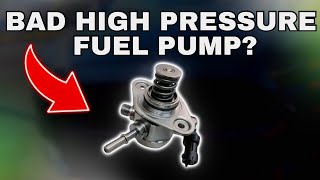
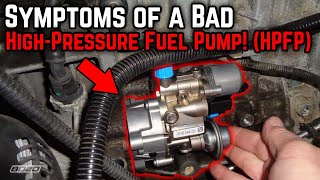
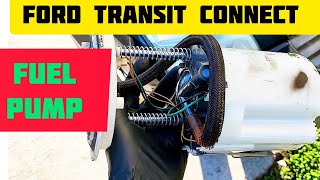
Helpful Videos


Technical Specifications
OEM Part Numbers: 9T16-9H307-AA 9T169H307AA 9T1Z-9H307-B 9T1Z9H307A 9T1Z9H307B PFS-567
Fits 2.0L L4 Gas Engine. Complete in-tank module including pump, sending unit, and strainer.
We Have This Part in Stock


The information in this article is provided for general reference and educational purposes only. Vehicle specifications, procedures, and part compatibility can vary by production date, trim level, and region. Always consult your vehicle's factory service manual and verify part numbers before purchasing or performing repairs. Safety-critical components such as airbags, seat belts, and braking systems should be installed by a qualified professional.
- Ford Transit Connect:
- 🎬 Helpful Videos
- 🛍️ Shop This Part
- Symptoms of a Failing Fuel Pump Assembly
- Known Issues, Recalls, and Technical Service Bulletins (TSBs)
- Diagnosing the Fuel Pump
- Buying a Used 2010-2013 Transit Connect Fuel Pump
- Replacement Overview (Difficulty: 4/5)
- Cost Comparison
- Frequently Asked Questions (FAQ)
- 🎟️ Get 5% Off