

2013-2018 Ram 2500 & 3500 6.7L Cummins Fuel Injector: Failure, Diagnosis & Replacement
A complete guide to diagnosing common symptoms like white smoke and rough idle, understanding replacement costs, and the critical steps for installing new or used injectors in your 6.7L Cummins.
- This injector fits 2013-2018 Ram 2500/3500 Pickups with the 6.7L Cummins, identified by an 'L' in the 8th VIN position; it does not fit Cab & Chassis models.
- After installation, the unique Injector Quantity Adjustment (IQA) code from each injector must be programmed into the engine computer with a scan tool for the engine to run correctly.
- Fuel contamination is the leading cause of injector failure. The best prevention is using quality fuel and regularly replacing fuel filters.
- Replacement is a difficult, 5/5 difficulty job. It is critical to maintain extreme cleanliness and follow specific, multi-stage torque procedures to prevent leaks and damage.
Symptoms of a Failing Fuel Injector

A bad fuel injector on a 6.7L Cummins can manifest in several ways. Because the engine has six injectors, a single failing unit can cause an imbalance that the driver will notice. Here are the most common signs of failure, from subtle to severe.
- White or Blue-White Smoke: Excessive white smoke from the exhaust, especially at idle or during cold starts, is a classic sign of a bad injector. This is caused by unburnt diesel fuel entering the hot exhaust, often from an injector tip that is leaking or has a poor spray pattern.
- Rough Idle or Engine Knock: An engine that shakes, vibrates, or runs unevenly at idle can point to one or more injectors delivering the wrong amount of fuel. This can also be accompanied by a distinct knocking or ticking sound as the cylinder fires improperly.
- Hard Starting: If the truck takes longer than usual to start, especially when cold, it can be due to failing injectors. Worn injectors can leak pressure from the fuel rail back into the return system, causing the rail to take longer to build the 4,000+ PSI needed for the engine to start.
- Loss of Power and Poor Fuel Economy: A noticeable decrease in acceleration and towing power, along with a drop in miles per gallon (MPG), can indicate injector issues. The engine isn't running efficiently if the fuel isn't being delivered correctly.
- Fuel in Engine Oil: A severely failed injector can leak fuel past the piston rings and into the crankcase, diluting the engine oil. This is a critical condition that reduces the oil's ability to lubricate, leading to catastrophic engine damage if not addressed.
- Check Engine Light: A failing injector can trigger the Malfunction Indicator Lamp (MIL) with various Diagnostic Trouble Codes (DTCs). Common codes include cylinder contribution/balance faults, misfire codes (P0301-P0306), or injector circuit codes (P0201-P0206, P020A-P020F).
Known Issues, TSBs, and Recalls

While the 2013-2018 Ram HD trucks are generally robust, there are some known issues and service bulletins related to the fuel system.
Compatibility: Pickup vs. Cab & Chassis
Warning: Fuel injectors for Ram 2500 and 3500 Pickup models are different from those for Cab & Chassis (3500, 4500, 5500) models. Cab & Chassis trucks often use a de-tuned version of the 6.7L Cummins for commercial longevity and have different injector part numbers. Do not use Cab & Chassis injectors in a pickup, or vice-versa.
VIN Confirmation
For 2013-2018 Ram 2500 and Ram 3500 pickup trucks, the correct 6.7L Cummins engine for this fuel injector is identified by an 'L' as the 8th digit of the Vehicle Identification Number (VIN). Always verify this before ordering parts.
Technical Service Bulletins (TSBs)
- TSB 18-076-22: This bulletin applies to some 2013-2017 models and involves a software update for the Powertrain Control Module (PCM). It addresses a long list of potential DTCs, including those for injector performance (P020A-P020F) and cylinder misfires (P0301-P0306). If you are experiencing these codes, checking if this software update has been performed may be a valid first step.
- Recall 14V635000 (Chrysler P65): This recall affects some 2010-2014 Ram 2500 and 3500 trucks. The electrical connector for the diesel fuel heater can overheat, potentially causing a fuel leak and increasing the risk of a fire. While not an injector issue itself, it is a critical fuel system safety concern for the affected model years.
It is also worth noting that a major recall (NHTSA 21V-880) was issued for the CP4.2 high-pressure fuel pump on 2019-2020 models. When this pump fails, it sends metal debris throughout the entire fuel system, destroying the injectors and rail. While 2013-2018 models typically use the more reliable CP3 pump, fuel contamination from any source remains the number one cause of injector failure.
Diagnosing a Faulty Injector

If you suspect an injector is failing, a few diagnostic steps can help pinpoint the problem cylinder.
- Scan Tool Contribution Test: The most effective method is to use a capable diagnostic scan tool (like AlfaOBD or a professional-grade tool) to perform a cylinder contribution test, sometimes called an 'injector kill test'. This test has the ECM turn off one injector at a time and measures the drop in engine speed. A healthy cylinder will show a significant drop, while a cylinder with a weak injector will show little to no change.
- Injector Return Flow Test: This is a more advanced mechanical test. It measures the amount of fuel being returned from each injector back to the tank. An internally worn or failing injector will have excessively high return flow compared to the others. A common specification is that any single injector returning more than 40 ml in 30 seconds during a test is faulty.
- Visual Inspection: Check the area around the injectors for any signs of fuel leaks. Also, inspect the electrical connectors for damage or corrosion.
Pro Tip: If one injector has failed due to high mileage or internal wear, the others are likely not far behind. On a high-mileage truck (150,000+ miles), it is often recommended to replace all six injectors at the same time to save on future labor costs and ensure balanced engine performance.
Buying a Used Fuel Injector
Given the high cost of new OEM injectors, a quality tested, recycled OEM injector can be an excellent value. However, buying a used diesel injector requires careful consideration.
- Why Used OEM is Often Better than Cheap New Aftermarket: The fuel injectors in your Cummins are made by Bosch, a top-tier OEM supplier. They are built to precise tolerances to handle extreme pressures. Many cheap, new aftermarket injectors have high failure rates and do not perform to OEM standards. A used, low-mileage OEM Bosch injector that has been properly tested is often a more reliable and durable part than a new, unbranded aftermarket one.
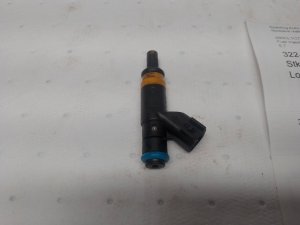
- Physical Inspection: When you receive the part, inspect it carefully. Look for any cracks in the plastic electrical connector or damage to the body. Check the nozzle tip for any signs of damage or heavy carbon buildup. Ensure the high-pressure fuel inlet port is clean and free of debris.
- Source Matters: Buy from a reputable auto recycler that provides a warranty and, ideally, information about the donor vehicle's mileage. Ask if the injectors have been tested. Some specialists can perform bench tests to measure flow rate and return volume, providing a report card for the injector.
- Get the IQA Code: Each injector has a unique multi-digit alphanumeric code printed on its body, known as the Injector Quantity Adjustment (IQA) code. This code must be programmed into the ECM for the specific cylinder it's installed in. Make sure this code is legible on the used injector. Without it, you cannot properly calibrate the injector to the engine.
- Red Flags: Avoid injectors that show signs of rust, water contamination, or significant physical damage. If an injector was pulled from an engine that suffered a major internal failure (like a high-pressure fuel pump disintegration), it is likely contaminated with metal debris and should be avoided.
Replacement Overview & Installation Difficulty

Replacing the fuel injectors on a 6.7L Cummins is an advanced job that requires specialized tools, attention to detail, and a commitment to cleanliness.
- Difficulty: 5 out of 5 (Expert)
- Estimated Time: 5-7 hours for a full set
- DIY Feasible: Not recommended for beginners. This job involves removing significant engine components and working with a high-pressure fuel system. Mistakes can lead to fuel leaks or engine damage.
Key Steps & Considerations:
- Cleanliness is Critical: The common rail fuel system is extremely sensitive to dirt. Thoroughly clean the engine bay, valve cover, and all fuel line connections before starting. Any debris that enters the system can cause immediate failure of the new injectors.
- Disassembly: The process involves disconnecting the batteries, removing the crankcase breather assembly, removing the valve cover, disconnecting the injector wiring harness, removing the high-pressure fuel lines, and removing the exhaust rocker arms to gain access to the injectors.
- Special Tools: You will need a special tool to remove the high-pressure connector tubes from the cylinder head. You will also need both inch-pound and foot-pound torque wrenches to follow the specific, multi-stage torque sequences.
- Replace Related Parts: It is highly recommended to install new high-pressure connector tubes when replacing injectors. The old tubes form a crush seal with the old injectors and may not seal properly on the new ones, causing high-pressure leaks. Also, replace the small copper sealing washer at the injector tip.
- Torque Sequence: The injector hold-down bolts and connector tube nuts have a specific, multi-step torque procedure that must be followed precisely to ensure the injector is seated correctly and does not leak. For example, the hold-down bolts are first tightened to a preliminary value, loosened, and then tightened to a final torque spec.
- IQA Code Programming: After the mechanical installation is complete, each new injector's IQA code must be programmed into the ECM using a compatible scan tool. This step is mandatory for the engine to run smoothly and efficiently.
Cost of Replacement
The cost to replace a 6.7L Cummins fuel injector can vary significantly based on the parts you choose and whether you do the work yourself.
| Item | Estimated Cost (per injector) |
|---|---|
| New OEM (Mopar) | $1,100 - $1,320 |
| New OEM (Bosch) | $625 - $750 |
| Remanufactured (Bosch/Reputable) | $350 - $550 |
| Used OEM | $150 - $300 |
| Shop Labor (Single Injector) | $300 - $500 |
| Shop Labor (All Six Injectors) | $800 - $1,400 |
Note: Prices are estimates and can vary by supplier and location. New and remanufactured injectors often have a core charge of $100-$150 per injector, which is refunded when you return your old part.
Technical Specifications & Part Numbers

These part numbers are for the injectors used in 2013-2018 Ram 2500 & 3500 Pickup models. Verify compatibility with your VIN before ordering.
| Brand | Part Number |
|---|---|
| Bosch (New) | 0445120342, 0986435621 |
| Bosch (Remanufactured) | 0986435621RX, R0445120342 |
| Mopar (Chrysler) | 68210105AA, R8210105AA, R8415373AA |
| Cummins | 4994925, 4994925NX |
Frequently Asked Questions (FAQ)
Do I have to replace all six fuel injectors at once?
You don't have to, but it is often recommended, especially if the vehicle has over 150,000 miles. Injectors wear at a similar rate. If one has failed due to wear, the others may not be far behind. Replacing them all at once saves you from paying for the same significant labor charge multiple times.
What is an IQA code and do I really need to program it?
Yes, programming the IQA (Injector Quantity Adjustment) code is mandatory. Due to tiny manufacturing variances, no two injectors flow the exact same amount of fuel. The IQA code is a calibration value printed on the injector that tells the engine's computer how to adjust its signal to that specific injector for balanced performance. Skipping this step will result in a rough idle, poor performance, excessive smoke, and potential check engine lights.
What is the main cause of injector failure on the 6.7L Cummins?
The most common cause of failure is fuel contamination. Water, dirt, debris, or poor-quality diesel can quickly damage the precise internal components of the injectors. Using high-quality fuel and changing your fuel filters at or before the recommended service interval is the best way to prolong injector life.
Can I drive my truck with a bad fuel injector?
It is not recommended. A leaking injector can cause 'fuel wash,' where excess diesel washes lubricating oil off the cylinder walls, causing accelerated wear. In a worst-case scenario, a leaking injector can lead to oil dilution, which can destroy the entire engine. A severe misfire can also damage emissions components like the DPF. It's best to get the vehicle serviced as soon as possible.
Technical Specifications
OEM Part Numbers: 0445120342 0986435621 4994925 4994925NX 68210105AA R8210105AA R8415373AA
Solenoid-actuated common rail fuel injector for the 6.7L Cummins ISB engine. Operates at pressures exceeding 20,000 PSI. Requires programming of a unique 7-digit IQA code to the ECM upon installation.
We Have This Part in Stock



The information in this article is provided for general reference and educational purposes only. Vehicle specifications, procedures, and part compatibility can vary by production date, trim level, and region. Always consult your vehicle's factory service manual and verify part numbers before purchasing or performing repairs. Safety-critical components such as airbags, seat belts, and braking systems should be installed by a qualified professional.
- Ram 2500:
- Ram 3500:
- 🛍️ Shop This Part
- Symptoms of a Failing Fuel Injector
- Known Issues, TSBs, and Recalls
- Compatibility: Pickup vs. Cab & Chassis
- VIN Confirmation
- Technical Service Bulletins (TSBs)
- Diagnosing a Faulty Injector
- Buying a Used Fuel Injector
- Replacement Overview & Installation Difficulty
- Cost of Replacement
- Technical Specifications & Part Numbers
- Frequently Asked Questions (FAQ)
- 🎟️ Get 5% Off