

2005-2008 Porsche 911 Fuel Injector Guide: Misfires, Leaks, and Replacement
A deep dive into the common failure symptoms, part numbers, and replacement costs for the fuel injectors on 997.1 generation Porsche 911 Carrera and Carrera S models.
- This guide is for the 2005-2008 Porsche 911 Carrera and Carrera S (997.1) with 3.6L or 3.8L port-injected engines. It does not apply to Turbo or GT2 models.
- Common failure symptoms include rough idle, misfires (P030x codes), and fuel smells. Leaking injectors are a fire hazard and must be addressed immediately.
- The OEM supplier is Bosch. The Bosch-branded injector (0 280 158 116) is identical to the Porsche part (997-605-123-00) but significantly cheaper.
- Replacement is a difficult DIY job (4/5) requiring the engine to be slightly lowered for access. Due to high labor costs, it's recommended to replace all six injectors at once.
Symptoms of Failing Fuel Injectors on a 997.1 Porsche 911
When a fuel injector starts to fail on a 997.1 Carrera, the signs can range from subtle annoyances to serious performance problems. Because these cars use a sophisticated engine management system, it's common for a Check Engine Light to be the first indicator. Here are the most common symptoms:
- Engine Misfires and Rough Idle: This is the most common symptom. A clogged or failing injector can't deliver the right amount of fuel, leading to incomplete combustion in one or more cylinders. You'll feel this as a vibration or shuddering, especially at idle or during acceleration.
- Check Engine Light: The DME (engine computer) is very sensitive to the air-fuel mixture. If an injector is faulty, it will trigger a Check Engine Light with codes related to misfires (P0300-P0306) or a lean/rich condition (e.g., P0171, P0172).
- Fuel Smell: A strong smell of gasoline, either inside or outside the car, is a serious warning sign. This can be caused by a leaking injector body or, more commonly, a deteriorated O-ring seal where the injector meets the fuel rail or intake manifold. Any fuel leak is a significant fire hazard and should be addressed immediately.
- Reduced Power and Hesitation: If the engine isn't getting the correct amount of fuel, it can't produce full power. You might notice the car feels sluggish, hesitates when you press the gas pedal, or stumbles under load.
- Poor Fuel Economy: An injector that is stuck open or leaking will dump excess fuel into the engine, causing your gas mileage to drop noticeably. Conversely, a clogged injector can cause the system to overcompensate, also hurting efficiency.
- Difficulty Starting: In severe cases, especially if multiple injectors are failing or one is leaking badly, the engine may be difficult to start or may not start at all.
Pro Tip: Misfires in a 997.1 are not always caused by fuel injectors. Ignition coils and spark plugs are also common failure points and should be checked first, as they are often easier and cheaper to replace.
Buying a Used 2005-2008 Porsche 911 Fuel Injector
Buying a used fuel injector can be a smart way to save money, especially since new OEM Porsche-branded injectors can be expensive. The original injectors are made by Bosch and are known to be very reliable. Here’s what to look for when buying a used OEM injector:
- Verify the Part Number: The most reliable way to ensure compatibility is to match the part number. The OEM supplier is Bosch. Look for Bosch part number 0 280 158 116 or Porsche part number 997-605-123-00. While injectors from a 996 may look similar, the 997.1 uses a more advanced EV-14 injector, so it's critical to get the correct part for your 2005-2008 model.
- Physical Inspection: Carefully inspect the injector's plastic body and connector for any cracks, chips, or signs of heat damage. Check the metal tip (pintle) for any obvious damage or heavy carbon buildup. Ensure the electrical connector pins are straight and not corroded.
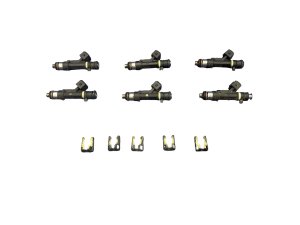
- Consider a Matched Set: Fuel injectors wear over time. If you are replacing one, it's often wise to replace all six to ensure they are all flowing at a similar rate. A matched set of used injectors from a single, low-mileage vehicle is often a better choice than a single injector of unknown history.
- Get Them Cleaned and Tested: Even if buying a used injector, it is highly recommended to have it professionally cleaned and flow-tested. Services like RC Fuel Injection can clean the injector, replace the filter baskets and O-rings, and provide a report showing its flow rate and spray pattern. This ensures the used part performs like new.
- Why Used OEM is Often Better: For a precision part like a fuel injector, a used OEM Bosch unit that has been professionally serviced is often a more reliable choice than a cheap, new, unbranded aftermarket part. The quality control and materials of the original Bosch parts are excellent.
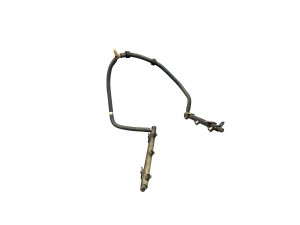
Warning: The part number 99711003103 refers to the entire fuel rail assembly (also called a fuel collection pipe), not an individual injector. While you may be purchasing a used rail that comes with injectors, be sure to verify the injectors themselves are the correct type for your vehicle.
Known Issues, Recalls, and Service Bulletins
The 2005-2008 Porsche 911 has a reliable fuel system, and there are no specific recalls for the fuel injectors on these models. However, there are some related items to be aware of:
- Bore Scoring Concerns: Some experts in the Porsche community suggest that faulty or leaking injectors can contribute to cylinder bore scoring, a serious engine issue in M96 and M97 engines. A leaking injector can wash lubricating oil off the cylinder walls, increasing friction and wear. This makes it even more important to address injector issues promptly.
- No Direct Recalls: Searches of the NHTSA database show no recalls specifically for fuel injector failure on the 2005-2008 911 models. There have been recalls for fuel system components on other Porsche models and years, but not for the injectors on the 997.1 Carrera.
Cost of Replacing a 997.1 Fuel Injector
The cost can vary significantly based on whether you do the work yourself, how many injectors you replace, and the parts you choose. Labor is a major factor as access is tight, and on the 997, it's recommended to lower the engine slightly for easier access.
| Part/Service | Estimated Cost (Per Injector) | Estimated Cost (Set of 6) |
|---|---|---|
| New OEM (Porsche Branded) | $175 - $250 | $1,050 - $1,500 |
| New OEM Supplier (Bosch) | $50 - $80 | $300 - $480 |
| Used OEM (Recycled) | $25 - $50 | $150 - $300 |
| Professional Cleaning/Service | $20 - $30 | $120 - $180 |
| Shop Labor (Full Set Replacement) | $800 - $1,200+ | |
Note: Prices are estimates as of late 2024 and can vary based on supplier and location. Labor costs assume replacement of all six injectors, as the initial labor to gain access is the most time-consuming part.
Replacement Overview (Difficulty: 4/5)
Replacing the fuel injectors on a 997.1 is a complex job recommended for experienced DIY mechanics or professionals. The estimated time is around 5-7 hours.
The basic process involves:
- Depressurizing the Fuel System: This is a critical safety step. It's typically done by pulling the fuel pump fuse and running the engine until it stalls.
- Gaining Access: This is the hardest part. It involves removing the airbox and other components. To make the job manageable, it is highly recommended to support the engine and lower it by about 40mm (1.5 inches) by loosening the engine mount nuts.
- Removing the Fuel Rail: The fuel rail is held on by Torx bolts. Once unbolted, the rail and all three injectors on that side can be lifted out as a single unit.
- Swapping Injectors: The injectors are held into the rail with small clips. Once the clips are removed, the injectors can be pulled from the rail.
- Reinstallation: Always use new, lubricated O-rings on the injectors before installing them. The injectors are installed into the rail first, and then the entire assembly is carefully seated back into the intake manifold.
Warning: Working with the fuel system is dangerous. Gasoline is highly flammable. Always work in a well-ventilated area, have a fire extinguisher nearby, and disconnect the battery before you begin.
Frequently Asked Questions (FAQ)
Should I replace all six fuel injectors at once?
It is highly recommended. Fuel injectors are wear items, and they tend to age at a similar rate. If one has failed, others may not be far behind. Since the labor to access the injectors is significant, replacing them all at once is more cost-effective in the long run and ensures balanced performance.
Can I just clean my injectors instead of replacing them?
For clogged injectors, professional off-car ultrasonic cleaning and flow-testing can be very effective and restore them to like-new performance. However, some experts argue that this doesn't address internal mechanical wear, and for high-mileage cars or to prevent issues like bore scoring, replacement with new OEM Bosch units is the safer long-term solution.
What is the difference between Porsche and Bosch injectors?
Bosch is the Original Equipment Manufacturer (OEM) for the injectors used by Porsche. The Bosch-branded injector (part number 0 280 158 116) is functionally identical to the one sold in a Porsche box (part number 997-605-123-00) but is usually available at a much lower price. Both are considered top-quality options.
Can I use fuel injectors from a 911 Turbo or GT2?
No. The 2005-2008 911 Turbo and GT2 models use a completely different engine (the Mezger engine) with a different fuel system. Their injectors are not compatible with the naturally aspirated 3.6L and 3.8L engines found in the Carrera and Carrera S models.
Technical Specifications
OEM Part Numbers: 99760512300 (Porsche, Injector) 0280158116 (Bosch, Injector) 99711003103 (Porsche, Fuel Rail Assembly) 99711093103 (Porsche, Fuel Rail Assembly)
Injector Type: EV-14 Port Fuel Injector
We Have This Part in Stock

The information in this article is provided for general reference and educational purposes only. Vehicle specifications, procedures, and part compatibility can vary by production date, trim level, and region. Always consult your vehicle's factory service manual and verify part numbers before purchasing or performing repairs. Safety-critical components such as airbags, seat belts, and braking systems should be installed by a qualified professional.
- Porsche 911: