

2025-2026 Ford Maverick Fuel Injectors: Port vs. Direct Injection and Known Engine Risks
A deep dive into the critical differences between the 2.5L Hybrid and 2.0L EcoBoost fuel systems, including long-term risks and replacement costs.
- The Maverick has two distinct fuel systems: the 2.5L Hybrid uses reliable port injection, while the 2.0L EcoBoost uses direct injection, which is prone to long-term carbon buildup on intake valves.
- While no injector recalls exist for the Maverick, other Fords on the same platform have been recalled for injector fire risks, and the Maverick Hybrid has separate recalls for engine failures that can cause fires.
- Symptoms of a bad injector include rough idle, engine misfires, fuel smell, and poor gas mileage. A flashing check engine light is a sign of a severe misfire.
- When buying used, an injector from a 2.5L Hybrid is a safer bet. For a 2.0L EcoBoost, prioritize low-mileage parts due to the higher stress of direct injection.
Key Differences: 2.0L EcoBoost vs. 2.5L Hybrid

Understanding which engine your Maverick has is critical when dealing with fuel injectors. The two systems are not interchangeable and have very different long-term characteristics.
2.0L EcoBoost: Direct Injection (GDI)
The 2.0L EcoBoost engine uses a high-pressure direct injection system. While this technology allows for greater power and efficiency, it has a well-known drawback: carbon buildup. Because fuel is injected directly into the cylinder, it no longer sprays over the back of the intake valves. Over time, oil vapor from the crankcase ventilation system can bake onto the hot intake valves, forming hard carbon deposits.
- Long-Term Issue: This buildup can eventually restrict airflow, leading to misfires, hesitation, and a loss of performance.
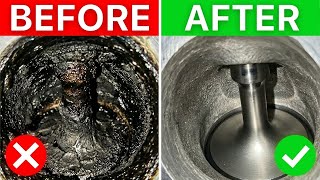
- Maintenance: Fuel injector cleaners added to the gas tank will not clean these valve deposits, as the fuel never touches that part of the engine. The only way to clean them is through a manual process like walnut shell blasting, which can be expensive. 🎬 Watch: The proper way to clean Ford engine carbon
2.5L Hybrid: Port Fuel Injection (PFI)
The 2.5L Hybrid engine uses a simpler, lower-pressure port injection system. In this design, the fuel is sprayed into the intake port, effectively washing over the intake valves before entering the cylinder. This continuous cleaning action prevents the carbon buildup issues that plague many direct-injection engines. For this reason, the fuel system on the Hybrid model is generally considered to be more reliable and require less long-term maintenance.
Pro Tip: Because of its simpler and more robust port injection system, a used fuel injector from a 2.5L Hybrid is generally a safer purchase than one from a 2.0L EcoBoost, especially at higher mileage.
Known Issues, Recalls, and Technical Service Bulletins (TSBs)

While there are no fuel injector-specific recalls for the 2025-2026 Maverick as of this writing, there are significant safety campaigns for Ford vehicles on the same platform and for the Maverick's specific powertrains that buyers must be aware of.
Context: Recall for Cracked Injectors on Other Ford Models
Ford issued a major safety recall (NHTSA 22V-859 / Ford 22S73) for certain Ford Escape and Bronco Sport models equipped with the 1.5L EcoBoost engine—an engine NOT in the Maverick. This recall was for a defect where a fuel injector could crack, leak fuel, and potentially cause an under-hood fire. While this does not directly affect the Maverick, it shows that injector-related fire risks have been a recent issue for the manufacturer on vehicles sharing the Maverick's underlying platform.
Maverick 2.5L Hybrid: Engine Failure and Fire Risk Recall
A more direct concern for Maverick Hybrid owners is a series of recalls related to catastrophic engine failure. On certain 2022-2023 Maverick Hybrids, an engine failure could release a significant amount of engine oil and fuel vapor, which could ignite near hot surfaces and cause a fire. This led to Ford issuing recalls and a customer satisfaction program (23N06) to replace entire engines on affected vehicles. While this is not a fuel injector failure, it is a critical safety issue involving the fuel system that all potential buyers of used Hybrid models should be aware of. Always check a vehicle's VIN on the NHTSA website for open recalls.
🎬 Watch: Important details on Ford Maverick safety recallsSymptoms of a Failing Fuel Injector

A bad fuel injector, whether clogged or leaking, will disrupt the engine's air/fuel mixture and cause noticeable problems. Common symptoms include:
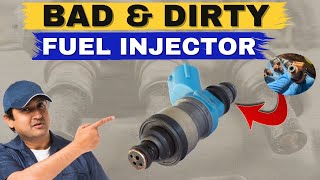
🎬 Watch: 13 symptoms of a bad fuel injector- Rough Idle and Stalling: The engine may shake, sputter, or stall when stopped at a light.
- Engine Misfires: You may feel a stuttering or jerking sensation during acceleration as one or more cylinders fail to fire properly. This will often trigger a flashing Check Engine Light.
- Poor Acceleration and Hesitation: The vehicle may feel sluggish or unresponsive when you press the gas pedal.
- Fuel Smell: A strong smell of raw gasoline inside or outside the vehicle is a serious sign of a leak. An injector stuck open can also cause a rotten egg smell from the exhaust as unburnt fuel damages the catalytic converter.
- Difficulty Starting: If not enough fuel is being delivered, the engine may crank for a long time before it starts, or it may not start at all.
- Decreased Fuel Economy: A leaking or inefficient injector will waste fuel, causing you to visit the gas station more often.
- Check Engine Light: A variety of diagnostic trouble codes (DTCs) can be triggered by fuel injector problems, most commonly misfire codes (P0300-P0304) or fuel trim codes (P0171, P0172, P0174, P0175).
Buying a Used Fuel Injector: What to Check

Purchasing a used OEM fuel injector can be a smart way to save money, especially compared to expensive new dealer parts. However, it's important to inspect the part carefully.
- Physical Inspection: Check the injector body for any cracks, especially around the plastic connector. Ensure the electrical connector pins are straight and free of corrosion. Look at the nozzle tip for signs of heavy carbon buildup or physical damage.
- O-Rings and Seals: Always plan to replace the O-rings and seals on a used injector. These are inexpensive and absolutely critical for preventing fuel and air leaks. Used seals are often compressed or brittle and should never be reused.
- Engine Type Matters: Be more cautious with injectors from a 2.0L EcoBoost. The high pressures and temperatures of direct injection are harder on components. An injector from a low-mileage, well-maintained EcoBoost is a better bet. Injectors from the 2.5L Hybrid are generally less stressed.
- Source and Mileage: Whenever possible, buy from a reputable recycler that provides the mileage and VIN of the donor vehicle. A low-mileage injector is always preferable. Ask about warranty options.
- Why Used OEM is Often Better: Used OEM (Motorcraft) injectors are often a better choice than cheap, new aftermarket parts. The spray pattern, flow rate, and electrical characteristics of an OEM injector are precisely matched to the vehicle's computer. Inconsistent performance from cheap aftermarket injectors can cause persistent running issues that are difficult to diagnose.
Replacement Cost Breakdown
The cost to replace a fuel injector on a Ford Maverick can vary significantly based on the engine and who performs the work. The 2.0L EcoBoost is generally more labor-intensive than the 2.5L Hybrid.
| Item | Estimated Cost (Per Injector) |
|---|---|
| New OEM (Dealer) | $100 - $160 |
| New Aftermarket | $60 - $120 |
| Used OEM (Recycled) | $40 - $80 |
| Shop Labor | $265 - $390 |
| Total Professional Replacement (Single Injector) | $365 - $550 |
Note: Prices are estimates and can vary by location and supplier. Labor for the 2.0L EcoBoost may be higher due to the complexity of the direct injection system. It is often recommended to replace all injectors as a set, especially on higher mileage vehicles.
Frequently Asked Questions (FAQ)
What is the installation difficulty for a fuel injector?
For a 2025-2026 Ford Maverick, replacing the fuel injectors is considered a moderately difficult job, rated at a 3 out of 5. A moderately experienced DIY mechanic can complete the job in about 2-3 hours. The process involves depressurizing the fuel system, disconnecting the battery, removing the fuel rail, and swapping the injectors. While mechanically straightforward, it requires extreme care due to the risk of working with pressurized gasoline.
Should I replace one injector or the whole set?
While it's cheaper to replace only the one that has failed, it is often wise to replace them as a full set, especially if the vehicle has over 80,000 miles. Injectors wear at a similar rate. If one has failed, others may be close behind. Since much of the labor cost is in accessing the fuel rail, replacing them all at once can save you money on future labor charges.
My dealer recommended a "fuel injector service" at 15,000 miles. Is this necessary?
This is likely an unnecessary upsell. According to owner experiences, some dealerships offer a preventative "fuel injector cleaning service" for around $250, which is not part of Ford's official maintenance schedule. Unless you are experiencing clear symptoms of a faulty injector, this service is generally not needed, especially at such low mileage.
Can I just use a fuel injector cleaner from a bottle to fix my problem?
Sometimes, but it depends on the problem and engine. If an injector is only lightly clogged with deposits, a high-quality, concentrated fuel system cleaner added to the gas tank can sometimes help restore the spray pattern. This is more effective on the 2.5L Hybrid's port injection system. It will not fix a leaking or electrically failed injector, nor will it clean the carbon buildup on the intake valves of a 2.0L EcoBoost engine.
Helpful Videos
Technical Specifications
OEM Part Numbers: P2GZ-9F593-C (2.0L EcoBoost) CM-5294 (2.0L EcoBoost - Motorcraft) 9E5Z-9F593-A (2.5L Hybrid) CM-5152 (2.5L Hybrid - Motorcraft)
The 2.0L EcoBoost uses a high-pressure Gasoline Direct Injection (GDI) system. The 2.5L Hybrid uses a low-pressure Multi-Port Fuel Injection (PFI) system.
We Have This Part in Stock


The information in this article is provided for general reference and educational purposes only. Vehicle specifications, procedures, and part compatibility can vary by production date, trim level, and region. Always consult your vehicle's factory service manual and verify part numbers before purchasing or performing repairs. Safety-critical components such as airbags, seat belts, and braking systems should be installed by a qualified professional.
- Ford Maverick:
- 🎬 Helpful Videos
- 🛍️ Shop This Part
- Key Differences: 2.0L EcoBoost vs. 2.5L Hybrid
- 2.0L EcoBoost: Direct Injection (GDI)
- 2.5L Hybrid: Port Fuel Injection (PFI)
- Known Issues, Recalls, and Technical Service Bulletins (TSBs)
- Context: Recall for Cracked Injectors on Other Ford Models
- Maverick 2.5L Hybrid: Engine Failure and Fire Risk Recall
- Symptoms of a Failing Fuel Injector
- Buying a Used Fuel Injector: What to Check
- Replacement Cost Breakdown
- Frequently Asked Questions (FAQ)
- 🎟️ Get 5% Off