

2003-2011 Saab 9-3 Air Flow Meter: A Guide to Stalling, Hesitation, and P0101 Codes
This guide covers the common failure symptoms, diagnostic steps, and replacement costs for the mass air flow sensor in 2003-2011 Saab 9-3 models with the 2.0L engine.
- This part fits 2.0L 4-cylinder engines only; it does not fit the 2.8L V6.
- Symptoms include a Check Engine Light (P0101, P0102), rough idle, poor acceleration, and bad gas mileage.
- Before replacing, check for intake air leaks and consider cleaning the sensor with dedicated MAF cleaner.
- A used OEM Bosch sensor is often more reliable than a cheap new aftermarket part due to precise factory calibration.
Symptoms of a Failing Saab 9-3 MAF Sensor
A dirty or failing MAF sensor can cause a range of issues, from subtle to severe. Because the sensor's data is so critical, even a small error in its reading can have a noticeable effect on how your car drives. The car's computer may trigger a "limp home mode" to prevent potential engine damage, which severely limits engine power.
- Check Engine Light: This is the most common symptom. The ECU will store diagnostic trouble codes (DTCs) related to the MAF sensor circuit. Common codes include P0100 (MAF Circuit Malfunction), P0101 (MAF Circuit Range/Performance), P0102 (MAF Circuit Low Input), and P0103 (MAF Circuit High Input).
- Rough Idle and Stalling: The engine may shake, idle erratically, or stall completely, especially when stopped at a light. This happens because the ECU is commanding the wrong amount of fuel for the air entering the engine at idle.
- Hesitation and Poor Acceleration: When you press the gas pedal, the car may hesitate, jerk, or feel sluggish and underpowered. This is a classic sign that the ECU is not providing enough fuel to match the airflow during acceleration.
- Decreased Fuel Economy: If the sensor incorrectly tells the ECU that more air is entering the engine, the computer will inject excess fuel, causing the car to run rich and waste gas.
- Black Exhaust Smoke: In severe cases of the engine running rich, unburned fuel can be expelled through the exhaust, creating black smoke.
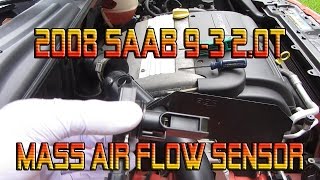
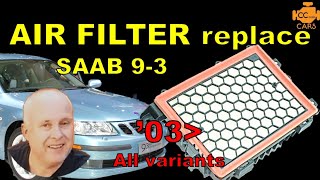
Pro Tip: Before replacing the sensor, check for air leaks in the intake system between the MAF sensor and the engine. A cracked hose or a loose clamp can allow unmetered air to enter the engine, causing symptoms identical to a bad MAF sensor. Also, some owners report that using over-oiled aftermarket air filters (like K&N) can contaminate the sensor element, 🎬 Watch: How to replace your air filter and clean the sensor. leading to a P0101 code.
Buying a Used Fuel Injection Air Flow Meter
Purchasing a used OEM MAF sensor can be a smart way to save money, as new OEM units can be expensive. However, this is a sensitive electronic part, and careful inspection is key. Cheap new aftermarket sensors are widely available but are often poorly calibrated and can cause persistent running issues or fail quickly. A quality used OEM part is often a more reliable choice than a low-grade new one.
What to Inspect:
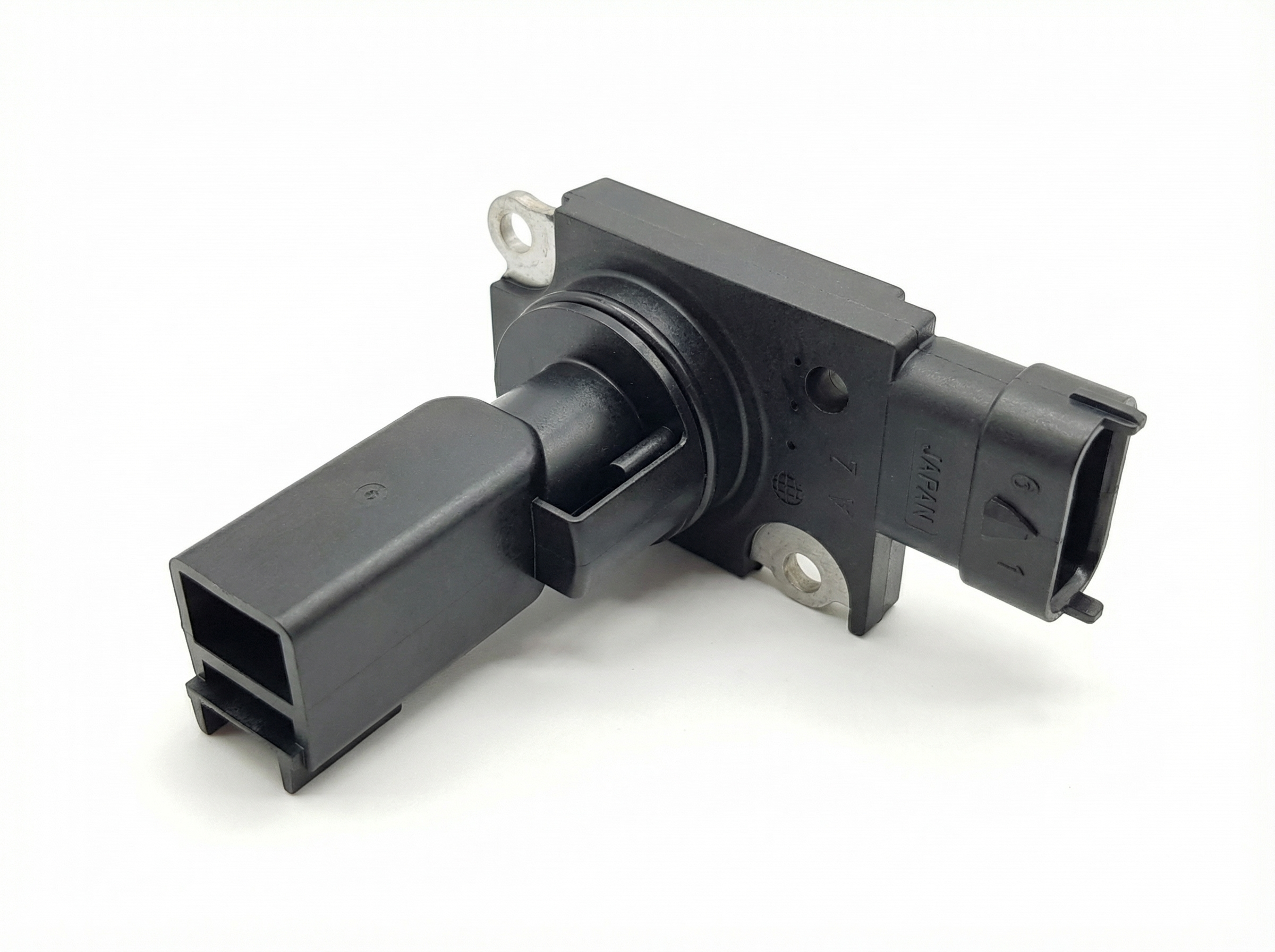
- Part Numbers: The most important step is to match the part number. The primary Saab OEM part number for the 2.0L 4-cylinder engine is 12788131. The original manufacturer is Bosch, and their corresponding part number is often 0 280 218 086. Verify this number on the sensor housing.
- Sensor Element: Look inside the sensor's bore. You will see two very fine wires or a small film element. These are the sensing components. They should be clean and free of any oil, debris, or physical damage. If the wires are broken, bent, or look coated in a film, the sensor is bad.
- Housing and Connector: Inspect the plastic housing for any cracks or damage. Check the electrical connector pins to ensure they are straight, clean, and free of corrosion.
- O-Ring Seal: Ensure the rubber O-ring that seals the sensor against the airbox is present and in good condition. A missing or cracked O-ring can cause an air leak.
- Source Vehicle Mileage: If possible, choose a sensor from a lower-mileage vehicle. While these sensors don't have a set lifespan, their accuracy can degrade over time. A sensor from a car with under 100,000 miles is preferable.
Cost Comparison
The cost to replace a Saab 9-3 MAF sensor varies depending on the type of part you choose. Installation is very simple, so labor costs should be minimal.
| Part Type | Estimated Cost |
|---|---|
| New OEM (Saab Dealer) | $205 - $305 |
| New OEM Supplier (Bosch/Hitachi) | $85 - $220 |
| Used OEM | $35 - $75 |
| New Aftermarket | $30 - $125+ |
| Shop Labor | $50 - $100 |
Known Issues, Recalls, and Technical Service Bulletins (TSBs)
There are no specific recalls or TSBs issued by Saab or GM for the fuel injection air flow meter on the 2003-2011 9-3. The most common known issue, as reported by owners, is sensor contamination from aftermarket oiled air filters or from crankcase ventilation system oil vapors over time. Additionally, any air leak downstream from the sensor is a frequent cause of MAF-related fault codes.
Warning: This sensor fits 2003-2011 Saab 9-3 models equipped with a 2.0L 4-cylinder engine only. It will not fit models with the 2.8L V6 engine, which use a different MAF sensor. For the 2003 model year, a split occurred between generations; this part fits the new-generation Sedan model only, not the old-generation convertible.
Replacement and Diagnosis
Replacing the MAF sensor is a very straightforward job suitable for a beginner DIYer.
- Difficulty: 1/5
- Estimated Time: 15 minutes
- Tools Needed: T20 or T25 Torx driver, flathead screwdriver (to release connector clip).
Basic Replacement Steps:
- Locate the MAF sensor on the engine's air filter housing.
- Press the tab on the electrical connector and pull it off the sensor.
- Remove the two Torx screws holding the sensor in place.
- Gently pull the old sensor straight out of the air filter housing.
- If desired, lightly lubricate the O-ring on the new sensor with petroleum jelly to ease installation.
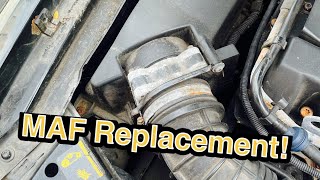
- Insert the new sensor, reinstall the two Torx screws, and reconnect the electrical connector. 🎬 See this video for a quick sensor replacement walkthrough.
Can I just clean my MAF sensor?
Sometimes, cleaning the sensor can restore its function, especially if it's just dirty. Use only a dedicated MAF sensor cleaning spray. 🎬 Watch: A step-by-step guide to cleaning your 2.0t sensor. Never use brake cleaner or carburetor cleaner, as they will destroy the sensitive electronics. Also, never touch the sensor wires with anything, including the spray can's straw. If cleaning does not resolve the symptoms or the Check Engine Light returns, the sensor is likely faulty and requires replacement.
Frequently Asked Questions (FAQ)
Can I drive my Saab 9-3 with a bad MAF sensor?
Yes, but it is not recommended for an extended period. The car will run poorly, get bad gas mileage, and may stall unexpectedly. If the car is in 'limp home mode,' performance will be severely restricted, making it difficult to accelerate to highway speeds.
Do I need to disconnect the battery to replace the MAF sensor?
While not strictly required, it is always a good practice to disconnect the negative battery terminal before working on any electronic component. This can also help reset the ECU's fuel trim adaptations, forcing it to re-learn with the new sensor.
Why is my Check Engine Light still on after replacing the MAF sensor?
The fault code needs to be cleared with an OBD-II scan tool. If you don't have one, the light may turn off on its own after several drive cycles (typically 50-100 miles) if the problem is resolved. If the light returns, you may have another issue, such as a vacuum leak or a problem with the sensor's wiring.
Is a used OEM sensor better than a new aftermarket one?
Often, yes. The engine management system in your Saab is precisely calibrated to the characteristics of the original Bosch sensor. Many cheap aftermarket sensors do not meet these specifications and can cause persistent performance issues, even when brand new. A tested, working OEM sensor from a reputable recycler is often a more reliable and cost-effective solution.
Helpful Videos
Technical Specifications
OEM Part Numbers: 12788131
Original equipment manufacturer is typically Bosch (P/N: 0 280 218 086). The sensor uses a 5-pin electrical connector.
We Have This Part in Stock



The information in this article is provided for general reference and educational purposes only. Vehicle specifications, procedures, and part compatibility can vary by production date, trim level, and region. Always consult your vehicle's factory service manual and verify part numbers before purchasing or performing repairs. Safety-critical components such as airbags, seat belts, and braking systems should be installed by a qualified professional.
- Saab 9-3:
- 🎬 Helpful Videos
- 🛍️ Shop This Part
- Symptoms of a Failing Saab 9-3 MAF Sensor
- Buying a Used Fuel Injection Air Flow Meter
- What to Inspect:
- Cost Comparison
- Known Issues, Recalls, and Technical Service Bulletins (TSBs)
- Replacement and Diagnosis
- Basic Replacement Steps:
- Can I just clean my MAF sensor?
- Frequently Asked Questions (FAQ)
- 🎟️ Get 5% Off