

2018-2026 Nissan Rogue Front Seat: VIN, Trim, and Failure Guide
Don't buy the wrong seat—this guide decodes the complex compatibility of USA vs. Japan-built Rogues and common seat-related failures.
- The 2018-2020 (Gen 2) and 2021-2026 (Gen 3) Rogue seats are NOT interchangeable.
- You MUST match the seat to your vehicle's build location by checking the VIN ('5' for USA, 'J' for Japan).
- Verify all features (power, heat, cloth/leather) and electrical connectors before buying a used seat to ensure compatibility.
- A recall was issued for broken seat frame welds on some 2023 models; a loose or rocking seat is a major safety concern.
- Always disconnect the battery for 15 minutes before unplugging any seat connectors to safely handle the airbag system.
Critical Compatibility Information: Generation, VIN, and Trim
Warning: Before purchasing a used front seat for a Nissan Rogue, you must verify three key pieces of information. Failure to match these exactly will result in a seat that does not fit, does not work, or creates a safety hazard.
The single biggest challenge when replacing a Rogue front seat is compatibility. There are many variations, and they are not interchangeable.
1. Vehicle Generation
The 2018-2026 model year range covers two distinct generations of the Nissan Rogue, and their parts are not interchangeable.
- Second Generation (T32): 2018, 2019, 2020 model years.
- Third Generation (T33): 2021, 2022, 2023, 2024, 2025, 2026 model years.
A seat from a 2020 Rogue will NOT fit or work correctly in a 2021 Rogue, and vice-versa. The floor pan, mounting points, and electrical connectors are different.
2. Build Location (VIN)
Nissan produces the Rogue in multiple plants, and parts are often specific to the country of origin. You can determine your vehicle's build location by looking at the first character of your Vehicle Identification Number (VIN).
- '5': USA-built (Smyrna, Tennessee)
- 'J': Japan-built (Kyushu)
- 'K': Korea-built (Busan) - Less common, but some models like the Rogue Sport may be sourced from here.
Seats for USA-built and Japan-built models often have different wiring harnesses and mounting brackets. You must match the replacement seat's intended build location to your vehicle's VIN.
3. Trim Level and Options
The features of the seat are determined by the vehicle's trim level (S, SV, SL, Platinum). These features are not easily added, as the wiring is not present in lower-trim models.
- Adjustment: Manual vs. Power
- Heating: Heated vs. Non-Heated
- Upholstery: Cloth vs. Leather
For example, you cannot simply install a power, heated leather seat from an SL model into an S model that originally had a manual, non-heated cloth seat and expect the power and heat functions to work.
Known Issues, Recalls, and Technical Service Bulletins (TSBs)
Recalls
- NHTSA Campaign ID PC966/PC980 (also 23V-268): This recall affects certain 2023 Nissan Rogue models. A supplier weld quality issue on the driver's seat frame could cause the seat to be improperly secured. This could increase the risk of injury in a crash. Symptoms include excess movement or a feeling of looseness in the driver's seat. Dealers will inspect the driver's seat and replace the seat cushion frame if necessary. The recall also covered some service parts that may have been used in repairs on 2021-2023 models.
- NHTSA Campaign ID 16V244000: Affecting 2014-2017 Rogue models, this recall addresses an issue with the front passenger Occupant Classification System (OCS). The system could misclassify an adult as a child or an empty seat, disabling the passenger airbag. This could increase injury risk in a crash. Nissan's remedy was to reprogram the Air Bag Control Unit and OCS.
Technical Service Bulletins (TSBs) & Common Complaints
- TSB PC987: For some 2023 Rogue and 2023-2024 Pathfinder models, Nissan issued a quality action for 8-way power seats that may feel loose or make noise when adjusted. This is related to a seat frame weld issue.
- TSB NTB19-071: While covering many Nissan models, this TSB is relevant for Rogue owners experiencing an airbag light with DTC B00A0-00. This code relates to the Occupant Detection Sensor and often requires a specific reprogramming procedure by a dealer to resolve.
- Popping or Clicking Noises: Owners have reported popping or clanking sounds from the driver's seat when accelerating, braking, or turning. Forum discussions suggest this can be caused by loose mounting bolts or failed rivets within the seat frame itself, which may require replacement of the entire seat frame.
- Squeaking Power Seats: A loud screeching noise when moving the power seat forward or backward has been noted by some owners. Dealerships have reportedly identified this as an issue requiring the replacement of the seat rails and motor.
Symptoms of a Failing Front Seat
Seat failures typically fall into three categories: electrical, mechanical, or physical wear.
1. Power Seat Malfunctions
- Symptom: The seat does not move, moves in only one direction, or moves intermittently.
- Cause: This is often an electrical issue. It could be a blown fuse, a bad control switch on the side of the seat, a loose connector under the seat, or a failed seat motor. 🎬 Watch this guide to diagnose a malfunctioning Rogue power seat On Reddit, one owner of a 2018 Rogue reported the forward/backward motor failed while all other adjustments worked; the issue was a burnt-out part replaced under warranty.
2. Heated Seat Failure
- Symptom: The heated seat does not turn on, does not get warm, or only heats in some spots. The indicator light on the switch may or may not illuminate.
- Cause: The most common cause is a broken heating element inside the seat cushion or backrest. The thin wires in the element can break from years of use. Other causes include a bad fuse, a faulty switch, or a failed control module. 🎬 See how to troubleshoot non-working heated seats in a Rogue
3. Airbag Light On (OCS/ODS Fault)
- Symptom: The main airbag warning light is illuminated on the dashboard, and the passenger airbag status light may show 'OFF' even with an adult in the seat.
- Cause: This is almost always an issue with the Occupant Classification System (OCS) sensor mat in the passenger seat cushion. This can be caused by damage to the sensor (e.g., spilling liquid, putting a knee on the seat) or a faulty connection. As noted in recall 16V244000, software issues can also be the cause.
4. Physical Wear and Frame Issues
- Symptom: The seat feels loose, rocks back and forth, or makes popping/clunking noises. The foam may feel compressed or 'flat'.
- Cause: As identified in recall PC966, broken welds in the seat frame can cause looseness. General wear can also cause rivets and bolts in the mechanism to loosen over time. The foam cushion itself can also break down, losing its support.
Buying a Used Front Seat: A Step-by-Step Guide
A used OEM seat is often the best value, as new OEM seats are extremely expensive and complete aftermarket seats are generally not available. Follow these steps to ensure you get the right part.
Pro Tip: Ask the seller for the VIN of the vehicle the seat came from. This is the fastest way to verify the generation, build location, and original trim level.
Step 1: The Compatibility Checklist
Before you even look at a part, confirm the following for your vehicle:
- Generation: Is your Rogue a 2018-2020 (Gen 2) or 2021-2026 (Gen 3)?
- Build Location: Does your VIN start with '5' (USA) or 'J' (Japan)?
- Side: Do you need the Left (Driver) or Right (Passenger) seat?
- Features: Is your seat Power or Manual? Heated or Non-Heated?
- Upholstery: Do you have Cloth or Leather? What color?
Only purchase a used seat that matches all five of these criteria.
Step 2: Physical Inspection
- Frame and Rails: Check the metal frame and floor-mounting rails for any signs of rust, bending, or cracks. A seat from a crashed vehicle may have hidden damage.
- Upholstery and Foam: Check for rips, tears, stains, and cigarette burns. More importantly, press down on the seat cushion. It should feel firm and supportive. A collapsed foam cushion will be uncomfortable. Some owners report cloth seats fraying prematurely.
- Electrical Connectors: Look underneath the seat. Inspect the plastic connectors for any cracks, and check the pins inside to ensure none are bent or corroded. Take a picture of the connectors on your original seat to compare with the replacement.
- Test Functions (If Possible): If the seat is still in the donor vehicle or if you have a 12V power source, test the power seat motors and heated seat function. Listen for any grinding or squealing from the motors.
Step 3: The Airbag and OCS Sensor
The passenger seat contains the critical OCS sensor. A used seat from a reputable recycler is generally safe, but be wary of seats with signs of water damage or physical abuse, as this can damage the sensor. Replacing a passenger seat may require a 'Zero Point Reset' or recalibration of the OCS system by a dealer or a qualified shop with advanced scan tools to ensure it functions correctly.
Replacement Overview
Replacing a front seat is a straightforward unbolt/re-bolt process, but requires extreme care due to the integrated airbag system.
Safety Warning: The front seats contain side-impact airbags. You MUST disconnect the vehicle's negative battery terminal and wait at least 10-15 minutes before unplugging any electrical connectors under the seat. Look for the bright yellow connectors—these are for the airbag system and must be handled carefully.
- Disconnect the Battery: Disconnect the negative terminal of your 12V battery and wait 15 minutes for the airbag system's backup power to discharge.
- Unbolt the Seat: Slide the seat forward and backward to access the four main bolts holding the seat rails to the floor. These are often covered by plastic trim pieces that pop off.
- Disconnect Wiring: Carefully tilt the seat back to access the electrical connectors underneath. Press the release tabs and unplug all connectors, including the yellow airbag plug.
- Remove and Install: Lift the old seat out and place the new seat in the vehicle. Reconnect all electrical plugs before bolting the seat to the floor.
- Torque and Reconnect: Torque the seat bolts to factory specification. Reconnect the negative battery terminal.
- System Check: Turn the ignition on and check for any airbag warning lights. Test all power seat and heater functions. If the passenger airbag light is on, the OCS system may need to be recalibrated.
Cost Comparison
Prices for a complete front seat assembly can vary dramatically based on features and source.
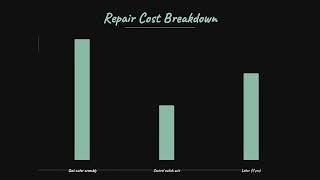
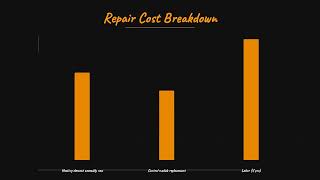
| Part Source | Estimated Cost | Notes |
|---|---|---|
| New OEM | $1500 - $4000+ | Extremely expensive. Ordered from a Nissan dealership. A single new OEM headrest can cost over $350. A power seat control module alone can be over $500. |
| New Aftermarket | Not Generally Available | Complete aftermarket seat assemblies are not common. Some companies offer upholstery kits or universal racing seats, but these are not direct-fit replacements. |
| Used OEM | $250 - $800 | The most common and cost-effective option. Price depends heavily on condition, features (power/leather are more), and location. |
| Shop Labor | $120 - $250 | Typically 1-2 hours of labor. May be more if OCS recalibration is required. |
Frequently Asked Questions
Can I install a power, heated seat in my Rogue S that came with manual seats?
This is not a simple plug-and-play swap. The vehicle wiring harness for the power and heat functions will not be present in a base model. It would require extensive, custom wiring and potentially adding control modules and fuses, which is not recommended.
My airbag light is on after I replaced the passenger seat. What's wrong?
This is a common issue. It likely means the Occupant Classification System (OCS) needs to be recalibrated to the new seat's sensor. This procedure must be done by a Nissan dealer or a well-equipped independent shop with the correct scan tool software. First, double-check that you plugged in all the connectors securely, especially the yellow airbag plug.
Why does my power seat only move in some directions?
The power seat uses separate motors for each direction of travel (forward/back, up/down, recline). If only one function fails, it's likely that specific motor or the part of the control switch that operates it has failed. It is less likely to be a fuse, as the fuse typically powers the entire seat.
How do I know if my Rogue was built in the USA or Japan?
Check the very first character of your 17-digit VIN, which is visible at the base of the windshield on the driver's side. If it's a '5', your Rogue was built in the USA. If it's a 'J', it was built in Japan. This is a critical step for ensuring part compatibility.
Helpful Videos
Technical Specifications
OEM Part Numbers: 86400-5HK0A 870066RY8D 87300-6FL0A 87300-6FL1A 87300-6FL4A 87301-6RA0B 87301-6RD0A 87301-6RE0A 87301-6RF0A 873016RD0A 873016RF0A 873016RF2A 87320-6FU0A 87320-6FU2B 87320-6RA0A 873516RD0A 873516RF0A 873516TA0A
Compatibility is determined by vehicle generation (2018-2020 vs 2021-2026), build location (VIN starting with '5' or 'J'), trim level (S, SV, SL, etc.), and features (power, heat, material).
We Have This Part in Stock



The information in this article is provided for general reference and educational purposes only. Vehicle specifications, procedures, and part compatibility can vary by production date, trim level, and region. Always consult your vehicle's factory service manual and verify part numbers before purchasing or performing repairs. Safety-critical components such as airbags, seat belts, and braking systems should be installed by a qualified professional.
- Nissan Rogue:
- 🎬 Helpful Videos
- 🛍️ Shop This Part
- Critical Compatibility Information: Generation, VIN, and Trim
- 1. Vehicle Generation
- 2. Build Location (VIN)
- 3. Trim Level and Options
- Known Issues, Recalls, and Technical Service Bulletins (TSBs)
- Recalls
- Technical Service Bulletins (TSBs) & Common Complaints
- Symptoms of a Failing Front Seat
- 1. Power Seat Malfunctions
- 2. Heated Seat Failure
- 3. Airbag Light On (OCS/ODS Fault)
- 4. Physical Wear and Frame Issues
- Buying a Used Front Seat: A Step-by-Step Guide
- Step 1: The Compatibility Checklist
- Step 2: Physical Inspection
- Step 3: The Airbag and OCS Sensor
- Replacement Overview
- Cost Comparison
- Frequently Asked Questions
- 🎟️ Get 5% Off