

2009-2014 Nissan Cube Front Brakes: Pulsation, Noises, and Replacement Guide
This guide covers common failure symptoms, how to inspect used front brake components, and what to know about replacing the 4-lug rotors on your Nissan Cube.
- The most common failure symptom is a pulsation or vibration when braking, which indicates warped front rotors.
- When replacing brakes, it is critical to clean the wheel hub surface thoroughly to prevent new rotor runout and pulsation issues.
- The front brake system uses vented rotors with a 4-lug pattern. While some parts may cross-reference with the Nissan Versa or Sentra, always verify part numbers.
- A grinding noise is a critical warning that the brake pads are completely gone and you are causing severe damage to the rotors.
Symptoms of Worn or Failing Front Brakes
Brake system issues often start with subtle signs. Paying attention to new sounds, feelings, or changes in performance can help you catch problems before they become serious. Here are the most common symptoms for the Nissan Cube:
- Pulsating or Shaking: A noticeable vibration or pulsation in the brake pedal or steering wheel when braking is a classic sign of warped rotors. Warping happens when the rotor's surface becomes uneven from excessive heat, causing the brake pads to grab and release as they pass over the high and low spots.
- High-Pitched Squealing: This is often the first sound you'll hear when your brake pads are getting low. Most pads have a built-in metal wear indicator that scrapes against the rotor to create a loud squeal, alerting you that it's time for a replacement.
- Grinding or Growling: A deep, metallic grinding sound means the brake pads are completely worn out, and the metal backing plate is now grinding directly against the rotor. This is a critical safety issue that severely reduces stopping power and causes significant damage to the rotors, making repairs more expensive.
- Vehicle Pulling to One Side: If your Cube pulls to the left or right when you apply the brakes, it could mean one of the front brake calipers is sticking or not applying pressure correctly. This can be caused by a seized caliper piston or guide pins.
- Spongy or Soft Brake Pedal: A brake pedal that feels soft, mushy, or sinks to the floor with little resistance often indicates air in the brake lines or a problem with the master cylinder. This is a serious symptom that can lead to a loss of braking pressure.
- Brake Warning Light: An illuminated brake light on your dashboard is a clear signal to get your system checked immediately. It can indicate low brake fluid, an ABS system fault, or other issues.
Known Issues, TSBs, and Recalls for 2009-2014 Nissan Cube Brakes
While the 2009-2014 Nissan Cube has not had major recalls specifically for its front brake pads or rotors, there are some related service bulletins and a recall for other model years that are good to be aware of.
- TSB NTB00033E: Nissan issued this technical service bulletin to help technicians diagnose and respond to customer questions about general brake operation, including noises and other common concerns.
- TSB NTB04094A: This bulletin provides specific guidance on resurfacing brake rotors using an on-car brake lathe to address issues like pulsation. It notes a very tight rotor runout limit of 0.0014 inches for many Nissan vehicles, emphasizing the need for precision during a brake job.
- No Major Recalls: Searches of the NHTSA database did not show any recalls for the front brake calipers, pads, or rotors for the 2009-2014 Nissan Cube. There was a recall for a master cylinder issue on some 2013 models (NHTSA ID: 13V-451), and a recall for front calipers on some 2025 Nissan models, but these do not apply to the 2009-2014 Cube.
Compatibility Warning: The front brakes on the Nissan Cube may be shared with some Nissan Versa and Sentra models. However, it is critical to verify part numbers. Different engine sizes in the Versa and Sentra can lead to different brake components. Always confirm compatibility for your specific vehicle before purchasing.
Buying Used Front Brake Components: A Smart Buyer's Checklist
Brake components are wear items, so buying used requires careful inspection. However, a high-quality used OEM caliper or a lightly used OEM rotor can be a better value than a cheap, new aftermarket part. OEM rotors are often made from higher quality cast iron that is less prone to warping.
What to Inspect on a Used Rotor:
- Surface Condition: Look for deep grooves, scoring, or visible cracks. Run your fingernail across the surface; it should feel relatively smooth.
- Rotor Thickness: The minimum safe thickness is stamped on the rotor's hub or edge. You'll need a micrometer to measure this accurately. A rotor that is at or near its minimum thickness cannot be resurfaced and should not be purchased.
- Signs of Overheating: Look for blue or purple discoloration on the rotor surface, which indicates it has been subjected to extreme heat and may be prone to warping.
- Rust: Surface rust is normal, but avoid rotors with heavy, flaking rust or deep pitting on the braking surface.
- Lug Pattern: Confirm it is the correct 4-lug bolt pattern for the Nissan Cube.
What to Inspect on a Used Caliper:
- Rubber Seals and Boots: Check the piston boot and guide pin boots for any tears, cracks, or signs of deterioration. Damaged boots allow moisture and dirt in, which will cause the caliper to seize.
- Bleeder Screw: Ensure the bleeder screw is not broken off, stripped, or seized. A damaged bleeder screw will make it impossible to bleed the brakes properly.
- Guide Pins: The caliper should slide freely on its guide pins. If the pins are stuck, the caliper will not apply pressure evenly, leading to uneven pad wear and pulling.
- Leaks: Inspect the area around the piston seal for any signs of brake fluid leakage.
Cost Comparison: New vs. Used Front Brakes (2009-2014 Cube)
Prices can vary based on brand and location. This table provides an estimated cost breakdown for common front brake replacement parts.
| Part | New OEM | New Aftermarket | Used OEM | Shop Labor (Estimate) |
|---|---|---|---|---|
| Front Brake Rotors (Pair) | $160 - $230 | $70 - $150 | $40 - $80 | $122 - $179 |
| Front Brake Pads (Set) | $60 - $90 | $30 - $70 | Not Recommended | |
| Front Brake Caliper (One) | $150 - $250 | $60 - $120 | $35 - $75 | $100 - $150 |
Replacement Overview & Difficulty
Replacing the front brake pads and rotors on a 2009-2014 Nissan Cube is a straightforward job for a DIY mechanic with some experience. The process does not require many specialized tools.
- Difficulty Rating: 2 out of 5
- Estimated Time: 1.5 - 2.5 hours
- Tools Needed: Jack and jack stands, lug wrench, 14mm socket (for caliper bolts), socket for caliper bracket bolts, C-clamp or brake piston compressor tool, wire brush, brake cleaner, and a torque wrench.
Pro Tip: Before installing a new rotor, thoroughly clean the wheel hub surface with a wire brush to remove all rust and debris. Any corrosion left on the hub can cause the new rotor to sit unevenly, leading to runout and pulsation. Also, remember to pump the brake pedal several times after the job is complete to reset the caliper pistons before driving.
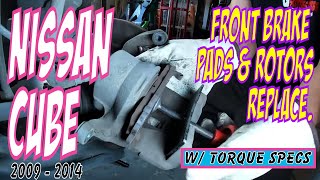
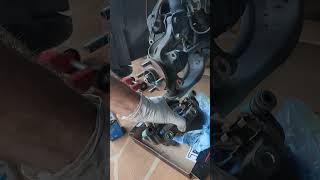
🎬 Watch: Nissan Cube front brake replacement walkthrough with torque specsFrequently Asked Questions (FAQ)
Do I have to replace the pads and rotors at the same time?
It is highly recommended. Installing new pads on old, worn rotors can lead to noise, reduced performance, and accelerated wear of the new pads. Similarly, putting old pads on a new rotor can score the new rotor surface.
Why are my new brakes making a squealing noise?
New brakes often require a "bed-in" procedure to properly mate the pad material to the rotor surface. This usually involves a series of controlled stops from various speeds. Squealing can also occur if the anti-squeal shims were not installed correctly or if the caliper hardware was not properly cleaned and lubricated.
What are the torque specs for the front brakes on a Nissan Cube?
While specs can vary slightly, a common torque value for the 14mm caliper guide pin bolts is around 20 ft-lbs. The larger caliper bracket bolts will have a much higher torque spec. Always consult a reliable repair manual for the exact specifications for your model year.
Can I use brake parts from a Nissan Versa on my Cube?
Possibly, as they share a similar platform and some parts are interchangeable. However, you must verify the OEM part numbers match exactly. The Versa was available with different engines and brake packages, so not all parts are a direct fit. Assuming compatibility without checking can lead to buying the wrong parts.
Helpful Videos
Technical Specifications
OEM Part Numbers: 40206-EM10A 40206-EM10B 40206-ET02C 40206-ZW90A 40206EM10A 40206EM10B D0206-ET01JNW
Front Rotor Style: Vented Bolt Pattern: 4-Lug Rotor Diameter: ~11.0 inches Caliper Guide Pin Bolt Torque: ~20 ft-lbs
We Have This Part in Stock


The information in this article is provided for general reference and educational purposes only. Vehicle specifications, procedures, and part compatibility can vary by production date, trim level, and region. Always consult your vehicle's factory service manual and verify part numbers before purchasing or performing repairs. Safety-critical components such as airbags, seat belts, and braking systems should be installed by a qualified professional.
- Nissan Cube:
- 🎬 Helpful Videos
- 🛍️ Shop This Part
- Symptoms of Worn or Failing Front Brakes
- Known Issues, TSBs, and Recalls for 2009-2014 Nissan Cube Brakes
- Buying Used Front Brake Components: A Smart Buyer's Checklist
- What to Inspect on a Used Rotor:
- What to Inspect on a Used Caliper:
- Cost Comparison: New vs. Used Front Brakes (2009-2014 Cube)
- Replacement Overview & Difficulty
- Frequently Asked Questions (FAQ)
- 🎟️ Get 5% Off