

2014-2019 Cadillac CTS Front Frame & Radiator Support Guide
This guide covers the common failure points, inspection tips, and replacement costs for the critical front-end structural components of the 2014-2019 Cadillac CTS.
- Frame rail or radiator support damage is almost always from a collision and makes the vehicle unsafe to drive.
- Replacement is a complex job for professional collision centers only; it is not a DIY task.
- For 2014 models, verify you have the 'New Style' sedan by checking for an 'A' as the 4th digit of the VIN.
- When buying a used section, insist on an undamaged OEM part and ensure it is large enough for the planned repair.
Understanding Frame & Structural Damage on Your CTS
Frame rails and associated structural supports on the 2014-2019 Cadillac CTS are not parts that wear out over time. Damage to these components is almost exclusively caused by a front-end or corner collision. Even a seemingly minor impact can transfer enough energy to bend, kink, or subtly shift these critical structures. A damaged frame rail or radiator support compromises the vehicle's safety systems and can lead to a cascade of other issues, from poor handling to accelerated tire wear. Because these are integral to the car's unibody, repair is a major undertaking that requires specialized equipment and expertise.
Compatibility Warning: The 2014 model year was a transition period for the Cadillac CTS. This guide and its parts apply to the third-generation sedan, often called the 'New Style'. You can identify this model by checking the 4th digit of your Vehicle Identification Number (VIN). If the 4th digit is 'A', you have the correct new-style 2014 sedan. Older body styles (Coupe, Wagon) from 2014 use different parts.
Symptoms of a Damaged Frame Rail or Support
After an accident, a visual inspection might not tell the whole story. Here are the common symptoms indicating the front structure of your CTS has been compromised:
- Poor Wheel Alignment: The most common symptom. If the car constantly pulls to one side and an alignment shop cannot correct it, the issue is likely a bent structural component. The vehicle may also 'crab walk,' driving straight but at a slight angle.
- Uneven Tire Wear: As a direct result of poor alignment, the inside or outside edges of the front tires will wear down much faster than the rest of the tread.
- Uneven Panel Gaps: Look at the spaces between the hood and fenders, or the fenders and the doors. If these gaps are tight in one spot and wide in another, it's a classic sign that the underlying structure has shifted.
- Doors, Hood, or Trunk Don't Close Properly: If you have to slam a door or if the hood doesn't latch easily, it can indicate the body is twisted from frame damage.
- Strange Noises: Creaking, groaning, or squeaking sounds, especially when turning or going over bumps, can be caused by flex in the damaged frame.
- Visible Damage: Look underneath the front of the car with a flashlight. Any visible cracks, kinks, or bends in the main metal beams extending from the front are definitive signs of serious damage.
Buying a Used Frame Rail or Support Section
For this part, a used Original Equipment Manufacturer (OEM) component is often the best and only choice, as certified aftermarket structural parts are generally not available. A used part is typically a 'cut' from a collision-free donor vehicle. Here’s what to look for:
- Verify OEM Origin: Ensure the part is from a genuine GM vehicle. Factory steel has specific strength and crush properties that aftermarket parts cannot guarantee, which is critical for safety.
- Inspect for Any Prior Damage: This is the most important step. Look for any signs of previous repairs, such as unusual welds, grinding marks, body filler, or paint that doesn't look factory-applied. Sight down the length of the rail to spot any subtle bends or ripples. Reject any part that is not perfectly straight and damage-free.
- Check the Cut Points: A professional body shop will 'section' the new rail in at specific, manufacturer-approved locations. Ensure the used part you buy has plenty of extra material beyond where the shop needs to cut. Discuss the repair plan with your technician first so you know how large of a section to purchase.
- Ask for the Donor VIN: Reputable sellers should be able to provide the VIN of the car the part came from. This allows you to run a history report and verify the donor car wasn't involved in a major accident itself.
- Surface Rust vs. Rot: Minor surface rust on a steel part is usually cosmetic and can be easily treated. However, avoid any parts with deep, flaking, or pitting rust, as this compromises the metal's strength.
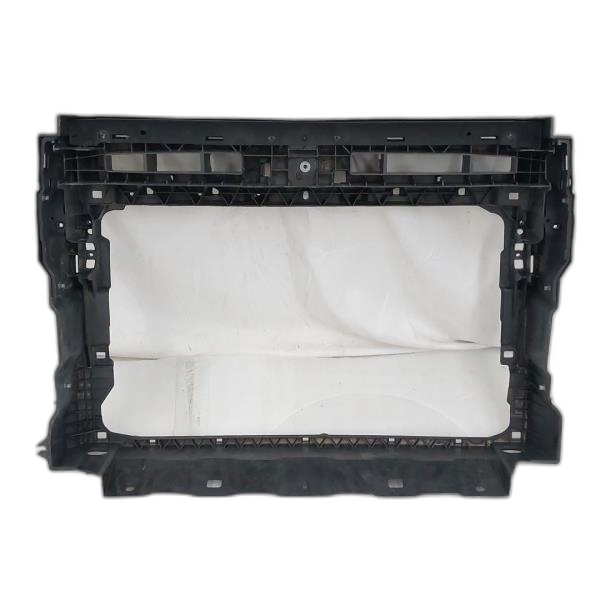
Pro Tip: The primary part number for the front radiator support assembly is GM 23307917. This part number supersedes older versions 22744088, 23142759, and 23433392. When searching, using the latest part number will yield the best results.
Known Issues, TSBs, and Recalls
As of this writing, there are no specific recalls or widespread Technical Service Bulletins (TSBs) from General Motors related to defects in the frame rails or structural supports for the 2014-2019 Cadillac CTS. All issues with this part are related to external factors like collisions.
Cost of Replacement
Replacing a structural component like a frame rail or radiator support is a labor-intensive job that should only be performed by a professional collision repair facility. The labor involves precise measuring, cutting, welding, and refinishing.
| Part/Service | Estimated Cost | Notes |
|---|---|---|
| New OEM Radiator Support (GM #23307917) | $400 - $610 | Price from GM dealers and online parts stores. |
| Used OEM Radiator Support or Frame Section | $200 - $500 | Price varies by condition and salvage yard. Based on comparable components. |
| New Aftermarket | Not Recommended / Unavailable | CAPA-certified structural parts for this model are not commonly found. Using non-certified parts is a major safety risk. |
| Shop Labor | $1,000 - $2,500+ | Labor can range from 10-20+ hours at a structural rate of $100-$150/hr. This can increase significantly if extensive pulling on a frame machine is needed. |
Frequently Asked Questions (FAQ)
Is it safe to drive with a bent frame rail?
No, it is not safe. A bent frame compromises your vehicle's structural integrity, which can negatively affect handling, stability, and how the car protects you in a future crash. It should be repaired immediately.
Will replacing a frame rail cause my car to have a salvage title?
Not necessarily. A vehicle is typically given a salvage title when the cost of repairs exceeds a certain percentage (often 70-80%) of its total value. If the frame repair is part of a larger repair bill on a high-value, newer CTS, it may not be declared a total loss. However, on an older, higher-mileage model, this type of expensive repair could be enough to total the vehicle.
Is a sectioned or repaired frame as safe as the original?
If the repair is performed by a qualified technician following the manufacturer's specific procedures for sectioning, then yes. Modern collision repair is designed to restore the vehicle's structural integrity to factory specifications. The key is using the right part and the right procedure.
Can I replace a frame rail myself?
No. This is not a DIY job. It requires specialized tools like a frame machine for measuring and pulling, specific types of welders, and a deep understanding of unibody vehicle construction. Attempting this repair without the proper training and equipment is extremely dangerous.
Technical Specifications
OEM Part Numbers: 23307917 (Current, Front Compartment Front Panel) 22744088 (Superseded) 23142759 (Superseded) 23433392 (Superseded)
Material: Steel. Part is a section of the unibody structure. Repair involves sectioning (cutting and welding) at manufacturer-approved locations.
We Have This Part in Stock

The information in this article is provided for general reference and educational purposes only. Vehicle specifications, procedures, and part compatibility can vary by production date, trim level, and region. Always consult your vehicle's factory service manual and verify part numbers before purchasing or performing repairs. Safety-critical components such as airbags, seat belts, and braking systems should be installed by a qualified professional.
- Cadillac CTS: