

2020-2024 Ford Explorer 2.3L EcoBoost: Problems, Identification, and Used Replacement
Identify the correct VIN H 4x4 engine, understand common head gasket and timing failures, and learn what to replace when installing a used OEM unit.
- Verify compatibility by confirming the 8th VIN digit is 'H' and the engine is from a 2020-2024 AWD/4x4 Explorer; engines from RWD Explorers, Mustangs, or Rangers will not fit.
- Head gasket failure is a primary and common issue, often requiring a full engine replacement due to the high cost of repair and risk of block damage.
- This is not a DIY job; replacement requires special timing tools to handle the keyless crankshaft pulley, and failure to use them will destroy the engine.
- After installation, a 'Misfire Monitor Neutral Profile Correction' relearn procedure is mandatory to prevent false misfire codes and limp mode.
- When installing a used engine, it is critical to replace all one-time-use bolts, seals, and gaskets, and to address known issues like carbon buildup and PTU fluid service.
Identifying the Correct 2.3L EcoBoost Engine

This engine is a turbocharged 2.3-liter inline four-cylinder, part of Ford's EcoBoost family. It was used in 2020, 2021, 2022, 2023, and 2024 Ford Explorers equipped with All-Wheel Drive (AWD) or 4x4. This engine combines three key technologies: a twin-scroll turbocharger to reduce lag, high-pressure gasoline direct injection (GDI), and twin independent variable cam timing (Ti-VCT). In the Explorer, it produces approximately 300 horsepower and 310 lb-ft of torque.
Check Your VIN
The most reliable way to confirm you have this engine is to check the 8th digit of your Vehicle Identification Number (VIN). For this specific engine, the 8th digit must be 'H'. An engine from a vehicle with a different VIN code will not be compatible.
Engine Codes and Part Numbers
Look for stickers or tags on the engine, often on the valve cover or timing cover, that may list one of the following Ford part numbers or identifying codes:
- LB5Z-6007-B (or LB5Z6007B)
- L1ME-6007-EA (or L1ME6007EA)
- BBA2AE3
The engine block itself may have casting number LB5Z-6010-A. These numbers confirm you are looking at the correct family of engine for this vehicle.
Warning: The VIN 'H' code was also used on 2.3L EcoBoost engines in other Ford and Lincoln models, but those engines are not interchangeable with the Explorer's version.
Critical Fitment Differences: What Will Not Fit
It is crucial to understand that not all 2.3L EcoBoost engines are the same. Do not attempt to use an engine from any of the following vehicles, as they have significant differences in engine mounts, oil pans, wiring, and computer programming:
- Ford Mustang, Ranger, or Bronco
- Lincoln Corsair or MKC
- Ford Focus RS
- Rear-Wheel Drive (RWD) Ford Explorer: The RWD version uses a different oil pan and will not fit in a 4x4/AWD model.
Ordering the wrong engine is a common and costly mistake. You must source this specific unit, which fits the 2020-2024 Ford Explorer with the 2.3L engine (VIN H) and a 4x4/AWD drivetrain.
Common Problems and Failure Symptoms

Symptoms of a Failed Engine Assembly
While issues with external parts are common, certain symptoms point to severe internal damage that requires complete engine replacement. These include:
- Catastrophic Coolant Leaks: A failed head gasket can cause coolant to leak into the cylinders (producing white exhaust smoke) or mix with the oil 🎬 Watch: Why EcoBoost engines leak coolant internally (creating a milky, frothy appearance on the oil cap or dipstick). 🎬 See: How to test for a blown head gasket
- Engine Knocking or Ticking: A deep knocking sound from the engine block often indicates failed rod bearings or other internal damage. A ticking or tapping noise could be a sign of a valvetrain issue, such as a dislodged camshaft roller finger follower, which can lead to catastrophic failure.
- Loss of Compression: If the engine has lost compression in one or more cylinders due to damaged pistons, rings, or valves, it will run rough, misfire, and have a major loss of power.
- Metal Shavings in Oil: Finding metallic particles in the engine oil during an oil change is a definitive sign of severe internal wear and impending failure.
Known Issues, Recalls, and Technical Service Bulletins (TSBs)
Several documented issues affect these vehicles. Always check with a Ford dealer or use the NHTSA website to see if a specific vehicle has had these recall remedies performed.
| Identifier | Affected Vehicles | Issue and Fix |
|---|---|---|
| NHTSA 19V809000 (Ford 19S32) | Some 2020 Explorers | Wiring harness could contact A/C compressor pulley, causing a short/fire risk. Fix is securing the harness. |
| NHTSA 20V735000 (Ford 20S68) | 2020 Explorers (19-gal tank) | Incomplete weld on fuel tank inlet check valve can cause a fuel leak. Dealers inspect and replace the tank. |
| NHTSA 26V402000 | 2020-2021 Explorers | Transmission park pawl may engage while in motion, causing a rollaway risk. Fixed via PCM software update. |
| NHTSA 22S27 (Ford 22V421) | 2020-2022 Explorers | Rear axle horizontal mounting bolt could fracture, causing driveshaft to disconnect. Dealers inspect/replace bolt and subframe. |
| TSB 23-2174 | 2020-2021 AWD models | Grinding noise, shuddering, or binding during low-speed turns. Fix is to replace the intermediate shaft assembly. |
| TSB 20-2086 / SSM 49002 | 2020 Explorers (built before 1/10/2020) | Missing support bracket on transmission oil cooler. Remedy is to install an updated cooler with the proper bracket. |
| TSB 20-2217 | 2020 Explorers (built on/before 12/2/2019) | Check engine light with codes P062C or P2243. Fixed by reprogramming the PCM. |
| TSB 20-2252 | 2020 Explorers (built on/before 7/14/2020) | Slow fuel filling, premature nozzle shut-off, or spit-back. Fixed by reprogramming the PCM. |
Diagnostic Flowchart
What Fails at Every Mileage Band
Pro Tip: The mileage bands below describe the typical condition and wear of USED replacement engines you might purchase. The checklists provided are things you should do WHILE INSTALLING the purchased engine, not just maintenance for your current vehicle.
Under 60,000 Miles
Even at low mileage, the 2.3L EcoBoost has known vulnerabilities. The most documented issue is head gasket failure, which allows coolant to leak into the cylinders (often cylinder 2 or 3). This can happen as early as 15,000 to 35,000 miles. Symptoms include white smoke on startup and unexplained coolant loss. Ford updated the block and head gasket design for the 2020 model year, which improved reliability, but failures still occur. Additionally, cracked engine blocks have been reported as early as 19,000 miles. The 10-speed automatic transmission (10R60/10R80) mated to this engine is also prone to rough shifting and loud clunks, sometimes requiring a $4,000 replacement.
- ✓Do during install (required): Verify all TSBs and Recalls are addressed. Ensure all software updates for the PCM and Transmission Control Module (TCM) have been performed to correct shifting issues.
- ✓Do during install (recommended): Inspect Turbo Coolant Lines. Check the coolant fittings on the turbocharger for any signs of leaks, as this is a known failure point.
- ✓Cheap insurance while the engine is out: Change Transmission Fluid and Filter. Given reports of transmission issues, performing a fluid and filter change with Mercon ULV ATF is highly recommended.
60,000 - 100,000 Miles
In this band, head gasket failures remain a primary concern, especially if the cooling system has been neglected. Because this is a direct-injection engine, carbon buildup on the intake valves becomes prominent after 60,000 miles, restricting airflow and reducing performance. For AWD models, the Power Transfer Unit (PTU) fluid breaks down. Ford calls it a "lifetime fill," but failing to change it often leads to catastrophic PTU failure between 80,000 and 100,000 miles, signaled by grinding or whining noises.
- ✓Do during install (required): Replace Spark Plugs. The recommended interval is 60,000 miles. Use new Motorcraft SP-594 plugs gapped to 0.028-0.031 inches.
- ✓Do during install (recommended): Walnut Blast Intake Valves. With the engine out, it is the perfect time to clean carbon buildup from the intake valves to restore lost performance.
- ✓Cheap insurance while the engine is out: Service the PTU (AWD Models) by draining and refilling with Motorcraft XL-12 fluid. Also, inspect and replace the nylon timing chain guides, which can become brittle and break.
100,000 - 150,000+ Miles
High-mileage units require thorough inspection. The turbocharger is a wear item and should be checked for shaft play and oil leaks around 100,000 miles; infrequent oil changes accelerate its demise. Water pump failure is also common around this mark. Because the water pump is integrated with the timing chain assembly, failure can cause coolant to mix with the engine oil, destroying the bearings. Transmissions that haven't had fluid changes every 40,000 to 60,000 miles are highly prone to failure in this band.
- ✓Do during install (required): Replace All Seals and Gaskets. At this mileage, replace the rear main seal, oil pan gasket, and valve cover gaskets.
- ✓Do during install (recommended): Replace Turbocharger Oil and Coolant Lines. Replacing the flexible supply lines and gaskets prevents leaks and flow restrictions that can kill the turbo.
- ✓Cheap insurance while the engine is out: Replace Water Pump and Timing Components. Given the labor-intensive nature of the job, replacing the water pump, timing chain, tensioners, and guides is highly recommended before dropping the engine into the vehicle.
Real Owner Experiences
| Source | Mileage | What Happened | Cost |
|---|---|---|---|
| approx. 33,000-35,000 | A coolant leak into cylinder 2 or 3, caused by a failed head gasket, led to misfires and required a full engine replacement under the powertrain warranty. | $0 (under warranty) | |
| Ford-Explorer.com Forum | 59,000 | Transmission began shifting erratically with loud clunks, then failed to engage any gear. Dealer diagnosed a complete failure requiring replacement, quoting $4,000. | $4,000 (estimate) |
| Mustang6G.com Forum | 48,000 | A Blackstone oil analysis detected coolant in the oil, indicating an early-stage head gasket failure on a tuned engine. The failure became complete at 72,000 miles. | Not specified |
| 98,000 | Car developed a sputtering issue after refueling, which was later diagnosed as a blown head gasket. Repair shops informed the owner that this was a known defect in the engine block design of that era. | Quoted for full engine replacement. | |
| Ford-Explorer.com Forum | 70,000 | Owner experienced transmission grinding, whining, and gear hunting. The vehicle had been to the dealer three times for the transmission by 30,000 miles and continued to have issues. | Multiple dealership visits. |
| 70,000 | A 2021 Explorer XLT has run without any issues, with all maintenance performed regularly. | Standard Maintenance | |
| Mustang6G.com Forum | 110,000 | Owner who performed frequent (3-5k mile) oil changes opened the engine for other work and found the internals to be spotless with no sludge. | Preventative Maintenance |
| YouTube | 144,000 | A Mustang with a 2.3L EcoBoost blew a head gasket. Upon teardown, it was discovered that this was the second time the head gasket had failed on this engine. | Engine rebuild |
| 105,000 | Owner of a 2021 Explorer reported zero issues, with all maintenance performed at the dealership. | Standard Maintenance | |
| 90,000 | Owner of a 2016 (similar 2.3L EcoBoost) was seeking advice on whether to repair or trade in the vehicle after a major failure. | $10,047 for a new engine. | |
| Not specified, but drives 28k/year | Owner of a 2016 (similar 2.3L EcoBoost) diagnosed with coolant in combustion chamber (cracked head gasket). | $6,700 for a salvage engine with 65k miles, installed. | |
| 115,000 | Owner of a 2014 F-150 (different EcoBoost, but relevant labor discussion) discussed replacement costs. Another user reported paying $11,000 for a remanufactured Jasper engine installed. | $9,500 for a used 90k engine / $11,000 for reman. | |
| 77,000 | Owner of a 2017 (similar 2.3L EcoBoost) experienced coolant in cylinder 3. | $10,500 for a new engine. |
Repair or Replace?

When facing a major failure, deciding between repairing your current engine or replacing it with a used OEM unit comes down to economics and the extent of the damage.
When Repair Makes Sense: A head gasket repair alone typically costs between $2,999 and $4,028+ in labor, with specialized upgraded repair kits costing around $630. Repair might make sense on a lower-mileage 2020+ engine (which features an updated block design) if there is absolutely no damage to the block or cylinder head from overheating. However, many shops are hesitant to guarantee a head gasket repair alone due to the risk of underlying block warpage.
When Replacement is Smarter: Replacement is the recommended course of action for major internal failures like spun rod bearings (engine knocking), loss of compression due to piston/valve damage, or a cracked block. Because the labor cost for a head gasket replacement approaches or exceeds the cost of a good used engine (which typically run $935 to $1,600 for the part itself), many owners opt for a used replacement to gain a warranty and potentially lower mileage.
Questions to Ask Your Installer
- Have you performed the 'Misfire Monitor Neutral Profile Correction' after an engine swap on these Fords before?
- Will you be using new torque-to-yield bolts for the flexplate and harmonic balancer as required?
- What is your warranty on the used engine and the labor?
- How will you ensure the keyless crankshaft pulley does not move during the transfer of parts?
- Will you be transferring my original wiring harness and accessories, or using the ones from the donor engine?
- Does the quoted price include all necessary fluids, gaskets, and seals (e.g., rear main seal)?
- Can you provide a detailed breakdown of the parts and labor costs?
Replacement Cost
| Part / Service | Estimated Cost (USD) |
|---|---|
| New OEM | $4,000 - $5,500+ |
| Remanufactured | $3,000 - $4,500 |
| Used OEM | $935 - $1,600 |
| Installation Labor | $1,300 - $3,201+ |
Installation Essentials and Professional Tips
Mandatory Part Replacement and Consumables
To ensure a successful installation and prevent premature failure, the following parts and fluids must be replaced:
- Motor Oil & Filter: 5.7 quarts of SAE 5W-30 full synthetic oil meeting Ford spec WSS-M2C961-A1 and a new Motorcraft FL-910S filter.
- Coolant: Motorcraft Yellow Prediluted Antifreeze/Coolant (Ford spec WSS-M97B57-A2).
- Spark Plugs: New Motorcraft SP-594 plugs gapped to 0.028–0.031 inches.
- Gaskets & Seals: Always install new intake and exhaust manifold gaskets, turbo mounting gaskets, and copper washers for oil/coolant lines. It is highly recommended to also replace the rear main seal, high-pressure fuel pump O-ring, and thermostat.
- One-Time-Use Bolts: The crankshaft pulley bolt, flywheel/flexplate bolts, and high-pressure fuel pump mounting bolts are torque-to-yield and must not be reused. Reusing them will lead to failure.
Critical Warning: Keyless Crankshaft Pulley. The crankshaft pulley on the 2.3L EcoBoost is a friction-fit design with no keyway. If the main crankshaft bolt is loosened or removed without first locking the camshafts and crankshaft in place with special timing tools, the timing gear will spin independently. This will cause the pistons and valves to collide, destroying the engine. Never rotate the engine by hand with the harmonic balancer removed.
Special Tools and Procedures
This is not a DIY-friendly job and requires special equipment. A professional technician will use a Ford Camshaft/Crankshaft Timing Lock Tool Set (OEM 303-1565, 303-1600, 303-748, 303-1594, 303-1595, 303-1521, 303-1504), a torque angle gauge for the one-time-use bolts, high-pressure fuel line disconnect tools, reverse Torx sockets, an engine hoist with a load leveler, an engine stand, and a diagnostic scan tool like FORScan or the dealer IDS system.
Additional Gotchas:
- The high-pressure fuel system operates over 2,000 PSI. You must relieve pressure before disconnecting lines.
- The AWD Transfer Case (PTU) must be unbolted and supported during the swap. Ensure splines are clean and lubricated.
- The rear vacuum pump at the back of the cylinder head must be removed to install the camshaft alignment tool. Be careful not to crack the fragile plastic vacuum lines.
- Fragile plastic connectors on modern engine harnesses become brittle with heat. Use proper trim tools to avoid breaking clips.
- When transferring the turbocharger, ensure all oil and coolant lines are clean, free of debris, and not kinked.
Pro Tip: Carefully inspect and transfer the original wiring harness from the old engine to the replacement unit. While a used engine may come with a harness, small differences in vehicle options can create electrical issues. Swapping the original harness eliminates this variable.
Required Computer Programming
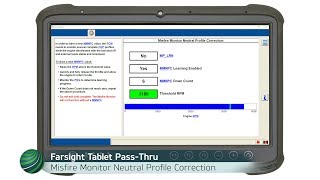
After the physical installation, the vehicle will not run correctly without programming. The Powertrain Control Module (PCM) must be programmed to the vehicle's VIN. A security relearn for the Passive Anti-Theft System (PATS) is also required. Most importantly, a Misfire Monitor Neutral Profile Correction (also known as a crankshaft position sensor relearn) is mandatory. Failure to perform this step will cause the computer to set false misfire codes (like P0300 or P0301) and may force the engine into a low-power limp mode.
Freight and Delivery Reality

If you are ordering a used 2.3L EcoBoost engine online, it will not arrive in a standard cardboard box via regular parcel service. This engine assembly weighs approximately 475 lbs and measures roughly 36" x 34" x 38" before crating. It ships as Less-Than-Truckload (LTL) freight strapped to a wooden pallet.
Because of its size and weight, delivery requires a freight truck equipped with a liftgate if you are having it delivered to a residential address or a shop without a loading dock. Always perform a pre-purchase verification interview with the seller to confirm exactly what is included. When the engine arrives, you must inspect it for transit damage (such as broken sensors or cracked plastic covers) before signing the driver's delivery receipt.
Before the First Start: Priming and Fluids
Used engines often sit on shelves for months. The oil drains away from moving parts, leaving them dry. You must add fresh fluids and prime the oil system before letting the engine run. Priming pumps oil through the engine and turbocharger to prevent metal-on-metal damage.
Mandatory Fresh Fluids
Never reuse old oil or coolant. When installing your replacement 2.3L EcoBoost, you must use the exact fluids required by Ford:
- Engine Oil: Fill the engine with fresh 5W-30 motor oil that meets Ford specification WSS-M2C961-A1. Always install a new oil filter.
- Engine Coolant: Use only Motorcraft Yellow antifreeze/coolant (Ford specification WSS-M97B57-A1). Do not mix this with older orange or green coolants.
How to Prime the Oil System (Clear Flood Mode)
Ford vehicles have a built-in feature called "Clear Flood Mode." This shuts off the fuel injectors so the engine can spin (crank) without actually starting. Use this feature to build oil pressure safely before the first real start.
- Press the gas pedal all the way to the floor and hold it there. Do not let up on the pedal.
- Press the brake pedal and press the engine start button. The engine will crank but will not start because the fuel is turned off.
- Let the engine crank for 10 to 15 seconds.
- Stop cranking and take your foot off the gas pedal. Wait 30 seconds to let the starter motor cool down.
- Repeat this process two or three times. Watch the dashboard. Stop when the low oil pressure warning light turns off or the oil pressure gauge moves up into the normal range.
Frequently Asked Questions (FAQ)
What is included with a used 2.3L EcoBoost engine?
A standard used engine assembly (often called a long block) includes the engine block, cylinder head, internally lubricated parts, pistons, connecting rods, crankshaft, camshafts, valves, oil pan, valve covers, intake manifold, timing covers, fuel injectors, high-pressure fuel pump, throttle body, and harmonic balancer. It typically excludes the A/C compressor, starter, power steering pump, alternator, and exhaust manifold.
Is the turbocharger included with a used engine?
Typically, no. While the engine includes the core block and head, bolt-on accessories like the turbocharger are usually excluded and must be transferred from your old engine. Always confirm with the seller exactly what is included before purchasing.
Can I use an engine from a Ford Mustang or Ranger?
No. Although they are also 2.3L EcoBoost engines, they have different oil pans, engine mounts, wiring harnesses, and ECU calibrations that make them incompatible with the 4x4/AWD Explorer.
Do I really need to replace the crankshaft pulley bolt?
Yes, absolutely. It is a torque-to-yield (TTY) bolt designed to stretch when tightened. Reusing it will cause it to either break or back out, which would allow the keyless timing gear to slip and cause catastrophic engine damage.
What happens if I don't do the "Misfire Monitor" relearn?
The engine will likely run, but the PCM will not have an accurate profile of the crankshaft's rotation. This will lead to false diagnostic trouble codes for engine misfires (P0300, P0301, etc.), a persistent check engine light, and potentially place the vehicle in a reduced-power "limp mode."
How long will this engine last?
With proper and proactive maintenance, the 2.3L EcoBoost engine is expected to last 200,000 miles or more. The single most critical factor for longevity is frequent oil changes with high-quality full synthetic oil every 5,000 to 7,500 miles.
Helpful Videos




Technical Specifications
OEM Part Numbers: LB5Z-6007-B L1ME-6007-EA BBA2AE3 LB5Z-6010-A
Engine Type: 2.3L Inline 4-Cylinder EcoBoost; Aspiration: Twin-scroll Turbocharger; Fuel System: High-Pressure Gasoline Direct Injection (GDI); Valvetrain: Twin Independent Variable Cam Timing (Ti-VCT); Horsepower: Approx. 300 hp; Torque: Approx. 310 lb-ft; VIN Code (8th digit): H; Drivetrain: All-Wheel Drive (AWD) / 4x4; Oil Type: SAE 5W-30 Full Synthetic (WSS-M2C961-A1); Oil Capacity: 5.7 quarts; Coolant Type: Motorcraft Yellow (WSS-M97B57-A2); Spark Plugs: Motorcraft SP-594; Spark Plug Gap: 0.028–0.031 inches
We Have This Part in Stock


The information in this article is provided for general reference and educational purposes only. Vehicle specifications, procedures, and part compatibility can vary by production date, trim level, and region. Always consult your vehicle's factory service manual and verify part numbers before purchasing or performing repairs. Safety-critical components such as airbags, seat belts, and braking systems should be installed by a qualified professional.
- Ford Explorer:
- 🎬 Helpful Videos
- 🛍️ Shop This Part
- Identifying the Correct 2.3L EcoBoost Engine
- Check Your VIN
- Engine Codes and Part Numbers
- Critical Fitment Differences: What Will Not Fit
- Common Problems and Failure Symptoms
- Symptoms of a Failed Engine Assembly
- Known Issues, Recalls, and Technical Service Bulletins (TSBs)
- Diagnostic Flowchart
- What Fails at Every Mileage Band
- Under 60,000 Miles
- 60,000 - 100,000 Miles
- 100,000 - 150,000+ Miles
- Real Owner Experiences
- Repair or Replace?
- Questions to Ask Your Installer
- Replacement Cost
- Installation Essentials and Professional Tips
- Mandatory Part Replacement and Consumables
- Special Tools and Procedures
- Required Computer Programming
- Freight and Delivery Reality
- Before the First Start: Priming and Fluids
- Mandatory Fresh Fluids
- How to Prime the Oil System (Clear Flood Mode)
- Frequently Asked Questions (FAQ)
- 🎟️ Get 5% Off