

2006-2011 Hyundai Accent Fog Light: Diagnosis, Replacement, and Buying Guide
A complete reference for troubleshooting, replacing, and purchasing a used fog light assembly for the third-generation (MC) Hyundai Accent.
- The correct OEM part number is 92201-1E000 for the left (driver) side and 92202-1E000 for the right (passenger) side.
- This is a halogen-only unit that uses an 881-type bulb (12V 27W).
- When buying used, prioritize units with clear lenses, no internal moisture, and intact mounting tabs.
- Failure of both lights simultaneously often points to a blown fuse or bad relay, not the bulbs themselves.
- Aiming is required after installation to ensure safety and effectiveness.
Symptoms of Failure

Diagnosing a faulty fog light is usually straightforward. The most common issues are electrical or involve physical damage to the housing.
- One or Both Lights Don't Turn On: This is the most obvious symptom. If one light is out, it's likely a burnt-out bulb. If both are out, the problem could be a blown fuse, a bad relay, or a faulty switch.
- Dim or Flickering Light: A light that flickers or appears dimmer than usual can indicate a poor electrical connection, a failing bulb, or a bad ground wire.
- Condensation or Water Inside the Lens: Moisture inside the housing is a sign that the seal has failed. This can cause bulbs to burn out prematurely and will eventually damage the reflective surfaces inside the lamp, reducing its effectiveness.
- Visible Damage: Cracks, chips, or hazing on the lens from road debris can impair the light's function and appearance. Broken mounting tabs can cause the light to become loose or misaligned.
Known Issues, TSBs, and Recalls
There are no specific recalls or Technical Service Bulletins (TSBs) for the fog light assemblies on the 2006-2011 Hyundai Accent. However, there are several broad "Exterior Lighting" recalls for this generation that relate to the stop lamp switch. A malfunctioning stop lamp switch can cause a range of issues, including problems with the brake-transmission interlock and cruise control, but it does not directly affect the fog lights. It is still crucial to check if your vehicle is affected by these recalls using the NHTSA database.
Pro Tip: When troubleshooting any lighting issue, always start with the simplest solutions first. Check the bulb, then the fuse, then the relay before assuming a more complex wiring problem.
Buying a Used Fog Light Assembly
A used OEM fog light is often a better choice than a cheap aftermarket alternative, offering superior fit and durability. Here’s what to inspect:
- Lens Condition: Look for deep scratches, cracks, or rock chips. Check for hazing or yellowing from UV damage. Minor surface scuffs can often be polished out, but significant damage cannot.
- Housing Integrity: Inspect the plastic housing for cracks or signs of heat damage. Ensure all mounting tabs and screw holes are intact and not broken, as this is critical for a secure fit.
- Seals and Moisture: Check for any signs of a water line or mineral deposits inside the lens, which indicates the seal has failed. Avoid units with moisture inside.
- Connector and Wiring: Ensure the electrical connector is clean, free of corrosion, and not damaged. The pigtail wiring should be intact with no cuts or frayed insulation.
- Part Number Verification: The correct OEM part number for the left (driver side) fog light assembly is 92201-1E000. The right (passenger side) is 92202-1E000. While other numbers may exist, these are the primary ones for this vehicle range.
Cost Comparison
| Part Type | Estimated Cost (per side) |
|---|---|
| New OEM | $100 - $155 |
| New Aftermarket | $50 - $70 |
| Used OEM | $30 - $60 |
| Shop Labor | $90 - $150 |
Lighting Technology: Halogen Only

The 2006-2011 Hyundai Accent came from the factory with standard halogen fog lights. These are simple, inexpensive, and widely available. This vehicle does not have options for HID/Xenon or LED fog lights from the factory.
- Bulb Type: The correct bulb for the factory fog light is an 881 type, which is a 12V 27W halogen bulb.
- Interchangeability: You cannot directly swap HID or LED bulbs into a housing designed for halogen bulbs without causing significant glare and an improper beam pattern. While aftermarket LED conversion kits exist, they may not be street legal and can blind other drivers if not aimed correctly. A proper LED upgrade requires replacing the entire fog light assembly with one specifically designed for LED diodes.
- Modules: Factory halogen lights do not require any external ballasts, igniters, or driver modules. They are powered directly from the vehicle's 12V system through a relay and fuse.
Replacement Guide

Replacing the fog light is a straightforward job that can be done with basic hand tools.
- Access the Fog Light: You will likely need to turn the steering wheel to one side to get better access to the wheel well. Remove the plastic clips and screws holding the front portion of the fender liner in place. Peel back the liner to expose the back of the fog light assembly.
- Disconnect Wiring: Reach behind the bumper and disconnect the electrical connector from the back of the fog light bulb.
- Remove the Assembly: The fog light assembly is typically held in place by a few screws. Remove these screws and pull the assembly out from the front of the bumper.
- Install the New Assembly: Position the new fog light assembly in the bumper, secure it with the mounting screws, and reconnect the electrical connector.
- Test and Reassemble: Turn on the fog lights to ensure the new unit works. If it does, re-secure the fender liner with its clips and screws.
Aiming the Fog Lights
After installation, it's important to aim the fog lights to ensure they are effective and don't blind other drivers.
- Park the car on a level surface, 25 feet away from a flat wall.
- Measure the height from the ground to the center of your fog light lens.
- On the wall, make a horizontal mark that is 4 inches below the measured height of your fog lights.
- Turn on the fog lights. The top of the beam's cutoff line should be at or just below the mark on the wall.
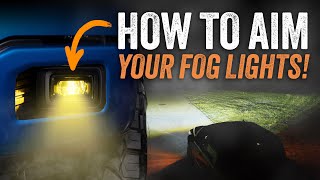
- Use a Phillips head screwdriver to turn the adjustment screw on the back or bottom of the fog light housing to raise or lower the beam until it is properly aimed. 🎬 Watch: How to aim your fog lights correctly
Frequently Asked Questions (FAQ)
What is the difference between the left and right fog light?
The left (driver side) and right (passenger side) fog light assemblies are not interchangeable. They are mirror images of each other to fit the contours of the bumper. The driver side is part number 92201-1E000, and the passenger side is 92202-1E000.
Can I add fog lights to my Accent if it didn't come with them?
Yes, it is possible. Many aftermarket kits are available that include the lights, wiring harness, relay, and switch. Some base model Accents may even have the mounting points and wiring pre-installed, making the addition a plug-and-play process. You would need to remove the plastic covers in the bumper to install the new assemblies.
Why did my new bulb stop working after a few weeks?
Premature bulb failure is often caused by two things: touching the glass part of the bulb with your bare hands during installation, or moisture inside the fog light housing. Oils from your skin can create hot spots on the bulb, causing it to fail. If the housing's seal is bad, water can get in and short out the bulb.
Is this part a fog light or a side reflector?
This part is the front, bumper-mounted fog light assembly. It does not contain a side reflector or side marker function. The term 'side reflector' may be used in generic part catalogs but is not accurate for this specific component on the 2006-2011 Accent.
Helpful Videos
Technical Specifications
OEM Part Numbers: 92201-1E000 (Left) 92202-1E000 (Right)
Bulb Type: 881 Halogen (12V 27W) Technology: Halogen Reflector Location: Front Bumper, Left or Right
We Have This Part in Stock



The information in this article is provided for general reference and educational purposes only. Vehicle specifications, procedures, and part compatibility can vary by production date, trim level, and region. Always consult your vehicle's factory service manual and verify part numbers before purchasing or performing repairs. Safety-critical components such as airbags, seat belts, and braking systems should be installed by a qualified professional.
- Hyundai Accent: