

2012-2014 Hyundai Azera Fog & Cornering Light: A Guide to Failures and Compatibility
This in-depth guide covers common problems, critical compatibility warnings, and replacement costs for the 2012-2014 Hyundai Azera fog and cornering light assembly.
- Crucially, you must verify if your Azera has Halogen or HID headlights; the fog light assemblies are not interchangeable.
- Failure is most often a simple burnt-out H8 bulb, but moisture inside the lens requires replacing the entire assembly.
- All 2012-2014 Azera owners should check for two critical open recalls: one for an ABS module fire risk (23V651) and one for an airbag sensor fault (13V264).
- When buying a used part, prioritize intact mounting tabs and a lens free of cracks or internal moisture stains.
Key Compatibility Warning: Halogen vs. HID Headlights
Warning: The fog/cornering light assemblies for the 2012-2014 Hyundai Azera are NOT interchangeable between models with factory Halogen headlights and those with factory High-Intensity Discharge (HID/Xenon) headlights. They use different housings and wiring. Before purchasing a replacement, you must confirm which headlight system your vehicle has.
Here’s how to tell the difference:
- Check the Headlight Lens: HID headlights often have a specific marking like "D1S" printed on the lens or housing. Halogen systems will not have this marking.
- Observe the Light Color: When first turned on, HID headlights have a distinct, bright bluish-white light and may take a moment to reach full brightness. Halogen lights have a warmer, more yellowish hue and are instantly at full power.
- Consult Your Owner's Manual: Your vehicle's manual or original window sticker will specify the type of headlights equipped on your trim level. The higher-end "Limited" or "Technology Package" trims were more likely to have HID headlights.
Installing the wrong type of fog light assembly will result in it not fitting or functioning correctly.
Symptoms of a Failing Fog / Cornering Light
Failure in this assembly can manifest in several ways, ranging from a simple bulb issue to a problem with the housing itself.
- Light Does Not Turn On: The most obvious symptom is the fog light or cornering light simply not illuminating. This is often due to a burnt-out bulb.
- Dim or Flickering Light: A bulb near the end of its life may flicker or appear significantly dimmer than the opposing side. This can also point to a poor electrical connection, a failing relay, or a bad ground.
- Cornering Light Function Inoperative: You may notice that the fog light works, but the cornering light feature no longer activates when you turn. This could be an issue within the assembly or related to the vehicle's control module or steering angle sensor.
- Visible Moisture or Condensation: Finding water droplets or a persistent fog inside the lens means the housing's seal has failed. This moisture will cause corrosion to the bulb socket and reflector, leading to premature bulb failure and reduced light output.
- Melted Bulb Socket: In some cases, high resistance from a poor connection can generate enough heat to melt the plastic bulb socket, causing the light to fail.
Vehicle-Specific Known Issues, Recalls, and TSBs
While there are no recalls specifically for the fog light assemblies, owners of the 2012-2014 Azera should be aware of two major safety recalls for this generation.
Safety Recalls (NHTSA)
- Recall 23V651 (Hyundai Campaign 251): This critical recall addresses a defect where the Anti-Lock Brake System (ABS) module can short circuit, creating a risk of an engine compartment fire. This can happen while driving or even when the vehicle is parked and turned off. The remedy involves dealers replacing the ABS fuse. Owners are advised to park their vehicles outside and away from structures until this repair is performed.
- Recall 13V264 (Hyundai Campaign 111): This recall concerns the Occupant Detection System, which may fail to properly classify the front passenger. This could cause the airbag to deploy with improper force in a crash, increasing injury risk. The fix is a software recalibration performed by a dealer.
Technical Service Bulletins (TSBs)
Hyundai has issued numerous TSBs for the 2012-2014 Azera, with the 2012 model year having over 50 documents on file with the NHTSA. These bulletins provide dealer technicians with procedures for diagnosing and repairing known common problems. While none point directly to a widespread fog light defect, they cover a range of electrical and body-related issues that could potentially affect lighting systems.
Buying a Used Fog / Cornering Light Assembly
A used OEM assembly is often a great value compared to an expensive new dealer part or a poor-fitting aftermarket one. Here is what to inspect to ensure you get a quality part.
- Check All Mounting Tabs: Carefully inspect all plastic mounting tabs and alignment pins around the housing. These are brittle and frequently break during minor impacts or even when being removed from a donor car. A missing or repaired tab can cause the light to vibrate or sit improperly in the bumper.
- Inspect the Lens for Damage: Look for cracks, deep scuffs, and "crazing" (a network of fine spiderweb cracks caused by UV damage). While minor pitting from road debris is normal, any crack will allow moisture to enter.
- Look for Internal Moisture Stains: Check the inside of the lens and the chrome reflector for a "tide line" or white, chalky residue. This is a clear sign the assembly has leaked in the past and will leak again. Do not buy a part with evidence of prior water intrusion.
- Examine the Electrical Connector: The connector pins should be clean and free of any green or white corrosion. Check the plastic around the connector for any signs of melting or charring, which indicates a past electrical problem.
- Verify the Part Number: If possible, match the OEM part number on the replacement part's sticker to your original part. The left (driver) side typically begins with 92201-3Vxxx and the right (passenger) side with 92202-3Vxxx. Part numbers ending in -3V010 are revisions of the original -3V000 parts and are interchangeable.
Replacement Overview & Bulb Information
Replacing the entire fog light assembly is a moderately easy job for a DIY mechanic. Access is typically gained by removing several screws and clips holding the front portion of the plastic wheel well liner, allowing you to reach behind the bumper cover. In some cases, removing screws from underneath the bumper may also be necessary.
Pro Tip: Turning the front wheels inward (e.g., turn the steering wheel all the way to the left to access the right-side fog light) will give you much more room to work in the wheel well.
- Bulb Type: The fog light for halogen models uses an H8 12V 35W bulb.
- Tools Needed: Basic hand tools are usually sufficient, including a Phillips screwdriver, a flathead screwdriver or trim panel tool for clips, and a socket set (likely 8mm or 10mm).
- Aiming After Installation: Fog lights must be aimed correctly to be effective and avoid blinding oncoming drivers. The assembly has an adjustment screw, typically accessible from the front or back. To aim, park the car on a level surface about 25 feet from a flat wall. The top of the fog light beam's cutoff should be at least 4 inches below the horizontal centerline of the fog lamp itself.
Cost Comparison
Prices for a single fog/cornering light assembly can vary significantly based on the source.
| Part Type | Estimated Price Range (Single Unit) |
|---|---|
| New OEM (Dealer) | $230 - $260 |
| New OEM (Online) | $140 - $170 |
| New Aftermarket | $70 - $230 |
| Used OEM (Salvage) | $50 - $150 |
| Shop Labor for Replacement | $100 - $180 |
Frequently Asked Questions (FAQ)
How does the cornering light work?
The cornering light is integrated into the fog light assembly. It uses the vehicle's computer to monitor steering angle and turn signal activation. At speeds typically below 25 mph, when you activate a turn signal or turn the wheel sharply, the corresponding light illuminates to the side, lighting up the corner you are approaching.
Can I install LED bulbs in my fog lights?
Yes, you can replace the stock H8 halogen bulb with an H8-sized LED bulb. However, the quality of LED bulbs varies greatly. Cheaper LED bulbs may not project a proper beam pattern in a housing designed for a halogen filament, resulting in glare for other drivers and poor performance. If you upgrade, choose a reputable brand and ensure the beam pattern is correct by checking it against a wall.
Why is there condensation inside my fog light lens?
Condensation forms when the seal on the back of the housing fails, allowing humid air to enter. When the light cools, this moisture condenses on the inside of the lens. While minor, temporary fogging can be normal in certain weather shifts, persistent water droplets indicate a bad seal. The assembly will need to be replaced, as a leaking unit will cause chronic electrical problems and bulb failures.
My fog light doesn't work, but the bulb is good. What else could it be?
If you've confirmed the bulb is good, the next steps are to check the fuse for the fog lights in the vehicle's fuse box. If the fuse is okay, the problem could be a faulty relay, a bad ground connection, or a damaged wire leading to the light. In some cases, the switch on the multifunction stalk on the steering column can also fail.
Technical Specifications
OEM Part Numbers: 92201-3V000 92201-3V010 92201-3V020 92202-3V000 92202-3V010 92202-3V020
Bulb Type: H8, 12V, 35W (for Halogen models)
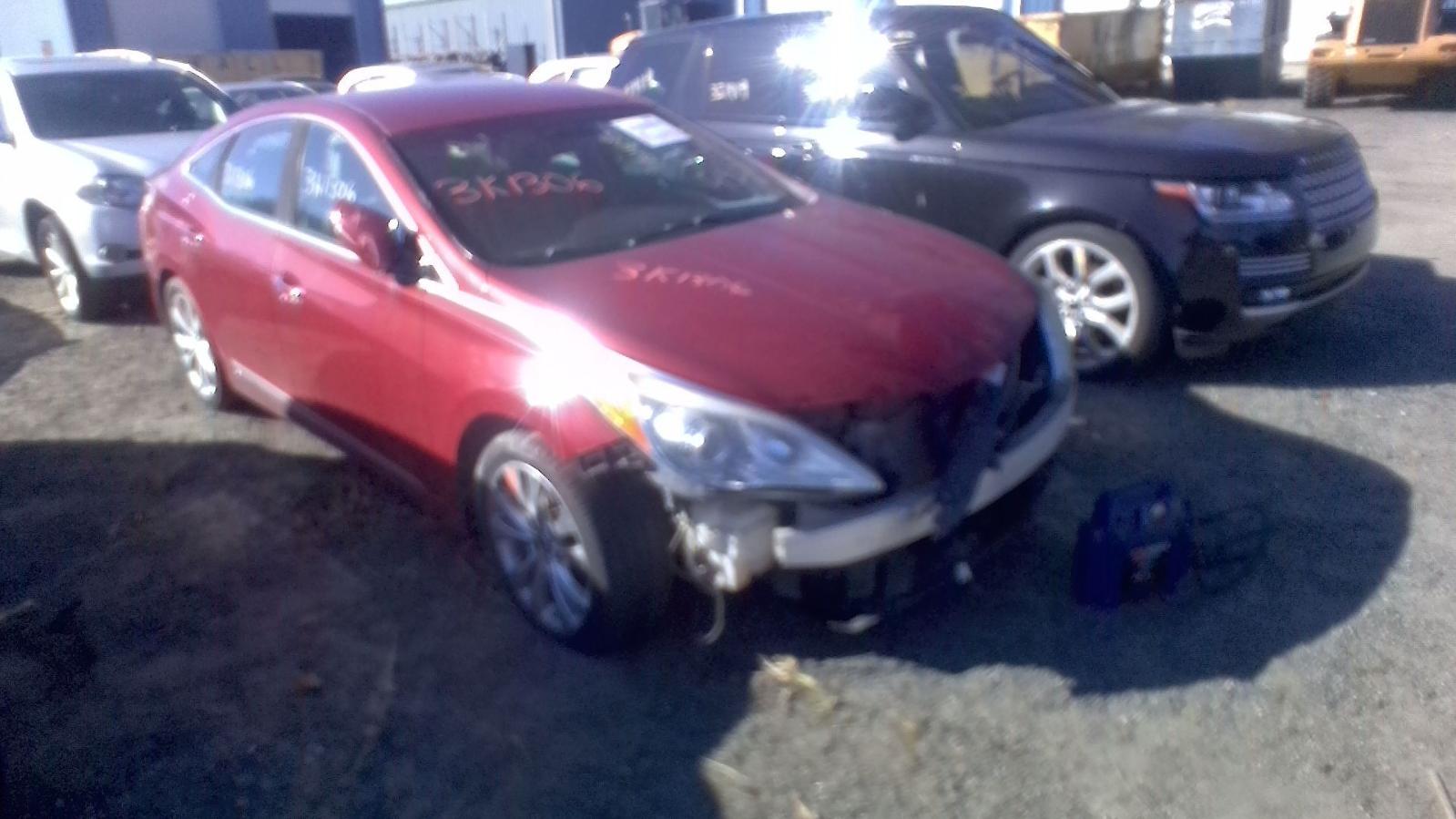
We Have This Part in Stock

The information in this article is provided for general reference and educational purposes only. Vehicle specifications, procedures, and part compatibility can vary by production date, trim level, and region. Always consult your vehicle's factory service manual and verify part numbers before purchasing or performing repairs. Safety-critical components such as airbags, seat belts, and braking systems should be installed by a qualified professional.
- Hyundai Azera:
- 🛍️ Shop This Part
- Key Compatibility Warning: Halogen vs. HID Headlights
- Symptoms of a Failing Fog / Cornering Light
- Vehicle-Specific Known Issues, Recalls, and TSBs
- Safety Recalls (NHTSA)
- Technical Service Bulletins (TSBs)
- Buying a Used Fog / Cornering Light Assembly
- Replacement Overview & Bulb Information
- Cost Comparison
- Frequently Asked Questions (FAQ)
- 🎟️ Get 5% Off