

2003-2006 Porsche Cayenne Flex Plate: Diagnosing Noises and Part Revisions
This guide covers common failure symptoms, updated part numbers, and how to inspect a used flex plate for your V8-powered Porsche Cayenne.
- The most common failure symptom is a metallic rattling or knocking noise at idle, often mistaken for engine failure.
- Replacement is a major, transmission-out repair with a difficulty of 5/5, making professional installation necessary for most owners.
- When buying a used part, meticulously inspect for cracks around the center bolt holes and get the latest part revision (e.g., 7L5105323E) if possible.
- Always replace the single-use torque-to-yield mounting bolts to prevent the new plate from coming loose.
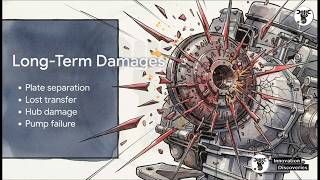
Symptoms of a Failing Flex Plate 🎬 Watch this mechanic's guide on professional flex plate diagnostics.

A failing flex plate almost always announces itself with distinct noises. Because the sound can be similar to a severe engine knock, it's often misdiagnosed. Identifying these sounds correctly can save you from unnecessary and expensive engine repairs.
- Rattling or Knocking at Idle: The most common symptom is a rhythmic metallic rattling or knocking sound coming from the area between the engine and transmission. This noise is most apparent when the car is in Park or Neutral and may change or disappear as engine RPMs increase.
- Grinding or Whining on Startup: If the teeth on the flex plate's outer ring are damaged, you may hear a grinding or whining noise when you try to start the engine. In some cases, the starter may struggle to turn the engine over or fail to engage at all. 🎬 Watch a video on diagnosing a broken flex plate.
- Knocking When Shifting Gears: A distinct clunk or knock when shifting from Park into Drive or Reverse can point to a cracked or loose flex plate.
- Engine Vibrations: As a crack worsens or if the plate becomes unbalanced, you may feel vibrations through the vehicle that increase with engine speed.
Known Issues & Part Number Revisions for 2003-2006 Cayenne

The flex plate for the first-generation V8 Cayenne is a known failure point. The original design was prone to cracking, especially around the crankshaft mounting bolts. Over the years, Porsche and Volkswagen (which shared the platform for the Touareg) released several updated versions of this part to improve its durability.
The initial buyer warnings in our database had conflicting information. Research confirms this flex plate fits both Turbo and non-Turbo 4.5L V8 models with automatic transmissions from 2003-2006. It does not fit the 3.2L V6 models.
Pro Tip: When sourcing a replacement, always try to get the latest possible revision. The part numbers progressed alphabetically, so a part ending in 'E' is a newer, improved design over one ending in 'B'.
| Part Number | Manufacturer | Notes |
|---|---|---|
| 95511607500, 95511607550, 95511607551 | Porsche | These are various Porsche numbers for this part. |
| 7L5105323, 7L5105323B, 7L5105323C, 7L5105323E | Volkswagen | These are corresponding VW part numbers, often found on the same physical part. The 'E' revision is considered the most robust. |
Warning: A cracked flex plate is often a symptom of another problem, such as misalignment between the engine and transmission. Simply replacing the plate without investigating the root cause can lead to a repeat failure.
Buying a Used 2003-2006 Cayenne Flex Plate: What to Check

A used OEM flex plate is often a great value, especially if you can find a later revision. However, a thorough inspection is critical to avoid installing a part that will fail prematurely.
- Check for Cracks: This is the most important step. Using a bright light and a magnifying glass if necessary, meticulously inspect the area around the central crankshaft bolt holes. This is where cracks most commonly form. Also check the areas where the torque converter mounts. The presence of fine rust dust can indicate two metal surfaces have been rubbing together due to a crack.
- Inspect the Ring Gear: Carefully examine the teeth all the way around the outer edge of the plate. Look for any that are chipped, excessively worn, or broken. Damaged teeth can cause starting problems and ruin a good starter motor.
- Verify Flatness: Lay the flex plate on a known flat surface to check for any warping or bending. A bent plate will cause vibrations and can lead to catastrophic failure.
- Confirm the Part Number: Whenever possible, choose a used part with one of the later revision numbers, such as 7L5105323E. This ensures you are getting an improved design.
- Look for Heat Discoloration: Blue or brown discoloration around the bolt holes is a sign of excessive heat from friction, often caused by loose bolts or movement from a crack. Avoid any parts with these signs.
Replacement Cost & Difficulty

Replacing the flex plate is a labor-intensive job that requires removing the entire transmission from the vehicle. This is not a typical DIY project and requires specialized tools, including a transmission jack.
- Difficulty: 5 out of 5 (Professional level)
- Estimated Time: 8-12 hours
- DIY Feasible: No, for most home mechanics.
| Item | Estimated Cost |
|---|---|
| New OEM | $400 - $520 |
| New Aftermarket | $150 - $400 |
| Used OEM | $30 - $100 |
| Shop Labor | $1000 - $1800+ |
Pro Tip: Always replace the flex plate-to-crankshaft bolts and the torque converter bolts with new ones. These are typically torque-to-yield bolts, meaning they are designed for one-time use and stretch when tightened. Reusing them can lead to them backing out or breaking.
Frequently Asked Questions (FAQ)
What's the difference between a flywheel and a flex plate?
A flex plate is used on vehicles with automatic transmissions, while a flywheel is used on those with manual transmissions. A flywheel is much heavier and stores rotational energy, while a flex plate is a lighter, stamped-steel part that simply connects the engine to the torque converter.
Can I use a flex plate from a Volkswagen Touareg on my Porsche Cayenne?
Yes, provided the part number matches one of the compatible revisions. The 2003-2006 Cayenne V8 and the first-generation Touareg V8 shared the same platform and many drivetrain components, including the flex plate. Verifying the part number (e.g., 7L5105323E) is the best way to ensure compatibility.
Is it safe to drive with a noisy or cracked flex plate?
It is not recommended. While the car may be drivable for a short time, a failing flex plate can cause a loss of power to the wheels if it breaks completely. A catastrophic failure can also damage the transmission bellhousing or the back of the engine block, leading to much more expensive repairs.
Are there any recalls for the 2003-2006 Cayenne flex plate?
No, there are no specific recalls for the flex plate itself. However, there have been other powertrain-related recalls for this generation, including one for a bushing on the gear selector lever (NHTSA Recall 19V446000) and another for a fuel pump flange that could crack (NHTSA Recall 17V576). It's always wise to check for any open recalls using your vehicle's VIN.
Helpful Videos
Technical Specifications
OEM Part Numbers: 95511607500 95511607550 95511607551 7L5105323 7L5105323B 7L5105323C 7L5105323E
Fits 4.5L V8 engines (Turbo and non-Turbo S models) with automatic transmissions for the 2003-2006 Porsche Cayenne (955 generation).

The information in this article is provided for general reference and educational purposes only. Vehicle specifications, procedures, and part compatibility can vary by production date, trim level, and region. Always consult your vehicle's factory service manual and verify part numbers before purchasing or performing repairs. Safety-critical components such as airbags, seat belts, and braking systems should be installed by a qualified professional.
- Porsche Cayenne: