

1995-1999 BMW M3 Flywheel Guide: Dual-Mass Failure, Inspection & Replacement
This guide covers the common failure symptoms of the E36 M3's dual-mass flywheel, how to inspect a used unit, and what to know about single-mass conversions.
- The factory Dual-Mass Flywheel (DMF) on manual M3s is a common wear item and cannot be resurfaced; it must be replaced.
- Key symptoms of a failing DMF include rattling at idle that stops when the clutch is pressed, vibrations, and a shudder when starting from a stop.
- When buying a used DMF, you must check for rotational play, rocking play, and signs of grease leakage. A bad used unit will require doing the expensive labor all over again.
- Converting to a more durable and affordable single-mass flywheel (SMF) is a popular upgrade, but it will introduce noticeable gear rattle/chatter at idle.
Vehicle Fitment & Variants: Manual vs. Automatic

This guide applies to the North American 1995-1999 BMW M3 (E36 chassis), which was equipped with two different engines and two transmission types.
- 1995 M3: Used the 3.0L S50B30US engine.
- 1996-1999 M3: Used the 3.2L S52B32 engine.
The critical distinction for this part is the transmission type:
Manual Transmission: The Dual-Mass Flywheel (DMF)
Most E36 M3s were sold with a 5-speed manual transmission, which uses a Dual-Mass Flywheel (DMF). This component is known for its specific failure modes and is a common topic of discussion among owners. The primary purpose of the DMF is to dampen engine vibrations for a smoother ride, but its internal components can wear out over time. The flywheels for the 1995 S50 engine and the 1996-1999 S52 engine are different parts and are not directly interchangeable.
Automatic Transmission: The Flex Plate
A less common option was the automatic transmission. These models do not use a flywheel. Instead, they have a stamped steel flex plate. The flex plate's job is to connect the engine's crankshaft to the torque converter. It is a much simpler and more durable part than the DMF, with different and less frequent failure symptoms.
Warning: Dual-mass flywheels cannot be resurfaced or machined like traditional solid flywheels. If the friction surface is damaged or the internal mechanism is worn, the entire unit must be replaced.
Symptoms of a Failing Flywheel or Flex Plate


Diagnosing a bad flywheel can be tricky, as some symptoms overlap with a failing clutch or release bearing. However, there are several key indicators.
Symptoms of a Bad Dual-Mass Flywheel (Manual)
- Rattling or Chatter at Idle: This is the most common symptom. A metallic rattling or chattering sound comes from the bellhousing (the area between the engine and transmission) when the car is idling in neutral. The noise often disappears or changes when the clutch pedal is pressed down.
- Vibrations: You may feel vibrations through the clutch pedal, the floor of the car, or even the driver's seat. This can happen at idle or during acceleration and deceleration.
- Shudder on Take-Off: The car may judder or shake when pulling away from a stop, especially in first gear.
- Knocking or Clunking Noises: A distinct clunk or knock may be heard when starting or shutting off the engine as the internal components of the flywheel hit their limits of travel.
- Burning Smell: In severe cases, internal failure can cause excessive friction and heat, leading to a burning smell.
Symptoms of a Bad Flex Plate (Automatic)
- Knocking or Ticking Sounds: A cracked flex plate can produce a rhythmic knocking sound from the bellhousing area that often changes with engine RPM.
- Vibrations: Similar to a bad DMF, a warped or cracked flex plate can cause significant engine vibrations.
- Starter Engagement Issues: If teeth on the outer ring gear of the flex plate are broken, the starter motor may have trouble cranking the engine, resulting in grinding noises or failure to start.
Buying a Used Flywheel or Flex Plate: What to Check
Purchasing a used flywheel, especially a DMF, requires careful inspection. A faulty used unit will cause the same problems as your old one, wasting hundreds of dollars in labor. It is always recommended to install a new clutch kit when replacing the flywheel.
Inspecting a Used Dual-Mass Flywheel (DMF)
This is a critical inspection. Do not buy a used DMF without performing these checks.
🎬 Watch this video on how to test a dual-mass flywheel.- Check the Friction Surface: Look for deep grooves, cracks, or significant heat spots (blue or purple discoloration). Minor, even wear is acceptable, but any signs of severe overheating or cracking are red flags.
- Test Rotational Play (Freeplay): Place the flywheel on a flat surface. Grab the outer (secondary) mass and try to rotate it against the inner (primary) mass. It should have a small amount of smooth, spring-loaded rotational play. A common rule of thumb is that more than an inch of movement at the outer edge is excessive.
- Test for Spring-Back: When you rotate the secondary mass, it should spring back to its center position smoothly. If it feels loose, sticks, or makes grinding noises, the internal springs are worn out.
- Test for Axial Play (Rocking): Try to rock the secondary mass side-to-side. There should be very little to no tilting or rocking movement between the two masses. Any noticeable wobble means the internal bearing is shot and the flywheel is junk.
- Look for Grease Leaks: The internal springs are packed in grease. If you see black, greasy residue flung out from the center of the flywheel or on its back side, it's a sign of overheating and internal failure.
Pro Tip: Because of the high risk of receiving a worn-out used DMF, many owners opt for a new OEM unit from LuK (an original equipment manufacturer) or convert to a single-mass flywheel (SMF) kit.
Inspecting a Used Flex Plate (Automatic)
Inspection is simpler for a flex plate:
- Check for Cracks: Carefully inspect the entire plate, especially around the center bolt holes and where it mounts to the torque converter. Any visible cracks mean the part is unusable.
- Inspect the Ring Gear: Check the teeth all the way around the outer edge. Look for any that are chipped, broken, or excessively worn down.
- Check for Warping: Lay the flex plate on a known flat surface to ensure it is not bent or warped.
Known Issues & The Single-Mass Conversion Option

Dual-Mass Flywheel Longevity
The DMF is considered a wear item. Its internal springs and dampers lose their effectiveness over time, leading to the symptoms described above. An OEM supplier recommends inspecting the DMF during every clutch replacement and planning to replace it with every other clutch job. Aggressive driving can significantly shorten its lifespan.
Single-Mass Flywheel (SMF) Conversion
A very popular modification for the E36 M3 is to replace the factory DMF with a simpler, more robust single-mass flywheel (SMF). These are often sold as kits with a matching clutch.
- Pros: Better durability, lower replacement cost, quicker engine response, and the ability to hold more power.
- Cons: The main drawback is an increase in Noise, Vibration, and Harshness (NVH). Without the damping mechanism of the DMF, more engine pulse is transmitted to the gearbox, resulting in a noticeable rattling sound at idle known as "gear rattle" or "chatter". Some drivers find this noise unacceptable for a daily driver, while others don't mind it.
Cost Comparison
| Part | Estimated Cost |
|---|---|
| New OEM (Genuine BMW) | $1900 - $2100 |
| New OEM Supplier (LuK) | $650 - $800 |
| New Aftermarket (Single-Mass Kit) | $400 - $1100+ |
| Used OEM | $100 - $300 (High risk) |
| Shop Labor to Install | $800 - $1500+ |
Recalls and Technical Service Bulletins (TSBs)
As of this writing, there are no specific NHTSA recalls or widespread TSBs directly addressing the flywheel or flex plate on the 1995-1999 BMW M3. Most issues are related to normal wear and tear. Always check for the latest recall information using your vehicle's VIN on the NHTSA website.
Frequently Asked Questions (FAQ)
Can I resurface my M3's dual-mass flywheel?
No. Due to its two-piece construction with internal springs, a dual-mass flywheel cannot be machined or resurfaced. If the surface is damaged, the entire unit must be replaced.
Should I replace my clutch at the same time as the flywheel?
Yes, absolutely. The transmission must be removed to access either part, so the labor cost is the same. Installing a new clutch with an old flywheel (or vice-versa) is highly discouraged as the worn part can quickly damage the new one.
Is some flywheel chatter normal on an E36 M3?
With a stock dual-mass flywheel in good condition, there should be minimal to no chatter. A light rattle at idle that goes away when the clutch is pressed is a classic sign of a worn DMF. If you have converted to a single-mass flywheel, a noticeable gear rattle at idle is considered normal.
Is converting to a single-mass flywheel (SMF) a good idea?
It depends on your tolerance for noise and your performance goals. If you want a durable, responsive setup for spirited driving or a track car and don't mind the idle chatter, an SMF is a great upgrade. If you prioritize a quiet, smooth, factory-like driving experience for a daily driver, sticking with a new OEM-style dual-mass flywheel is the better choice.
Helpful Videos
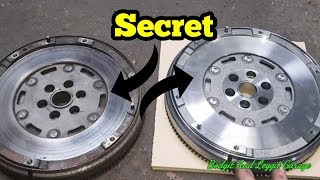
Technical Specifications
OEM Part Numbers: 21212229015 21212228091 11221717383
Fits 1995-1999 BMW M3 (E36). Manual transmission models use a Dual-Mass Flywheel (DMF). The OEM supplier is LuK, with part numbers DMF073 and 4150109100 corresponding to the S52 engine flywheel.

The information in this article is provided for general reference and educational purposes only. Vehicle specifications, procedures, and part compatibility can vary by production date, trim level, and region. Always consult your vehicle's factory service manual and verify part numbers before purchasing or performing repairs. Safety-critical components such as airbags, seat belts, and braking systems should be installed by a qualified professional.
- BMW M3:
- 🎬 Helpful Videos
- Vehicle Fitment & Variants: Manual vs. Automatic
- Manual Transmission: The Dual-Mass Flywheel (DMF)
- Automatic Transmission: The Flex Plate
- Symptoms of a Failing Flywheel or Flex Plate
- Symptoms of a Bad Dual-Mass Flywheel (Manual)
- Symptoms of a Bad Flex Plate (Automatic)
- Buying a Used Flywheel or Flex Plate: What to Check
- Inspecting a Used Dual-Mass Flywheel (DMF)
- Inspecting a Used Flex Plate (Automatic)
- Known Issues & The Single-Mass Conversion Option
- Dual-Mass Flywheel Longevity
- Single-Mass Flywheel (SMF) Conversion
- Cost Comparison
- Recalls and Technical Service Bulletins (TSBs)
- Frequently Asked Questions (FAQ)
- 🎟️ Get 5% Off