

2009-2016 Nissan GT-R Fender & Bumper Fitment: Solving Gaps and Replacing Brackets
This guide explains the real cause of the notorious gap between the fender and front bumper, and how to inspect and replace the related brackets.
- The common gap between the fender and bumper on a GT-R is caused by a failed plastic bumper-to-fender side bracket, not a main 'fender support'.
- Replacing this bracket requires the complete removal of the front bumper cover, a job that takes 2-3 hours.
- Always use OEM brackets, whether new or used, to ensure proper fitment. Aftermarket body parts for the R35 often fit poorly.
- While the bumper is off, inspect the fender liners and undertray for damage, and plan on replacing several of the single-use plastic body clips.
Symptoms of Damaged Fender & Bumper Brackets
Failure of the GT-R's fender and bumper mounting components is almost always visual and related to panel fitment rather than strange noises or driving sensations. The damage is typically caused by minor impacts, scraping on inclines, or the stress of repeated removal and installation of the front bumper.
1. Gap Between Fender and Bumper
The most common and well-documented issue is a noticeable gap that develops between the upper corner of the front bumper and the leading edge of the front fender, right below the headlight. This happens because the plastic bumper-to-fender side bracket breaks or its clips wear out, allowing the bumper to sag or pull away. What starts as a hairline crack can grow into a significant gap over time due to vibration and aerodynamic pressure at speed.
2. Loose or Vibrating Bumper Corners
If the fascia side bracket is completely broken, the corner of the bumper will feel loose to the touch. It may vibrate or flap, especially at highway speeds. This not only looks bad but also puts stress on the remaining mounting points and the fender itself.
3. Misaligned Body Lines
Following a front-end impact, even a minor one, you may notice that the consistent gap between the fender and the hood or the fender and the driver/passenger door is now uneven. This indicates that the fender itself has shifted, which could be due to bent mounting points on the fender or damage to the underlying chassis attachment points.
Known Issues, TSBs, and Recalls
There are no specific recalls or Technical Service Bulletins (TSBs) from Nissan for the fender support brackets or related fitment issues on the 2009-2016 GT-R. This type of damage is considered the result of external influence (like collisions or scraping) rather than a manufacturing defect.
While unrelated to the fender brackets, owners of 2009 models should be aware of a safety recall (NHTSA Campaign ID 15V054000) for the steering column assembly, which could have a manufacturing defect leading to excessive play in the steering wheel.
Buying a Used Fender or Bumper Bracket
Since the main fender supports are part of the unibody, you will most likely be purchasing smaller, replaceable plastic brackets or a complete used fender. For a high-precision vehicle like the GT-R, using genuine used OEM parts is highly recommended over aftermarket alternatives to ensure proper fitment.
What to Physically Inspect
- Bumper-to-Fender Side Brackets: This is the most important part to inspect. Check the small, often white or black, plastic bracket for any cracks, especially around the screw holes and clip tabs. Look for stress marks (whitening of the plastic) that indicate it has been bent. Ensure all mounting tabs are intact.
- Used Fenders: If buying a complete used fender, inspect all the mounting holes along the top and back edges. Ensure they are not bent, cracked, or elongated. Check the area where the bumper side bracket attaches for any signs of damage. Sight down the length of the fender to spot any subtle dents or waves that are hard to see in photos.
- Fender Liners: Check used fender liners for cracks, missing push-clip holes, or signs of tire rubbing, which could indicate it came from a car with suspension issues or was installed incorrectly.
Why Used OEM is the Smart Choice
For a car with the GT-R's tight body tolerances, OEM fit is critical. Aftermarket body panels and brackets for the R35 are notorious for requiring significant modification—drilling, cutting, and heating—to fit correctly. A used OEM bracket or fender from an undamaged vehicle will bolt on exactly as intended, saving hours of labor and frustration, and ensuring perfect panel gaps that cheap parts can never replicate.
Pro Tip: When buying used, ask the seller for a picture of the part number molded into the plastic. You can cross-reference this to ensure you are getting the correct part for your specific year and side (left vs. right).
Cost Comparison: GT-R Front-End Brackets & Fender
Costs can vary, but this provides a general estimate for the key components involved in a typical front-end fitment repair.
| Part | New OEM | New Aftermarket | Used OEM |
|---|---|---|---|
| Front Bumper Side Bracket (Each) | $40 - $70 | Not Common | $20 - $40 |
| Front Fender (Each, Unpainted) | $1,000 - $1,400 | $300 - $800+ | $500 - $900 |
| Fender Liner (Each) | $150 - $250 | $50 - $100 | $70 - $120 |
Replacement Overview & Difficulty
Replacing the bumper-to-fender side bracket requires removing the front bumper cover. While not overly complex, it is a time-consuming process.
- Installation Difficulty: 3 out of 5
- Estimated Time: 2-3 hours
- Tools Required: Jack and jack stands, socket set (10mm is common), screwdrivers, plastic trim removal tools, wheel lug wrench.
Replacement Steps Summary
- Safely lift and support the front of the vehicle on jack stands and remove the front wheels.
- Remove the plastic push-clips and screws holding the front section of the fender liners in place to gain access to the sides of the bumper.
- Remove the plastic clips and bolts on the top of the bumper cover under the hood, and the bolts connecting the bumper to the undertray.
- Carefully pop the sides of the bumper cover out of the side brackets. There is a bolt hidden behind the side marker light that must be removed.
- With a helper, pull the bumper cover straight off the front of the car.
- Once the bumper is off, the side bracket is fully exposed, attached to the fender with a few small bolts. Unbolt the old bracket and install the new one.
- Reinstallation is the reverse of removal. Take care to align the bumper properly before snapping it back into the new brackets.
Warning: Aftermarket fiberglass or carbon fiber fenders often require drilling and cutting to fit properly. This process should only be attempted by experienced technicians, as improper modification can ruin the expensive part.
Frequently Asked Questions
Can I fix the fender-to-bumper gap without replacing the bracket?
Sometimes, if the bracket is just loose, you can tighten the bolts. However, in most cases, the plastic tabs on the bracket itself are broken, and replacement is the only permanent solution to fix the gap. Some owners have attempted to use epoxy or other adhesives as a temporary fix.
Do I need a body shop to do this repair?
A mechanically inclined DIYer can replace the bumper side brackets. However, if the fender itself or its mounting points on the chassis are bent, a professional body shop is needed to ensure proper alignment and panel gaps.
Are the left and right brackets the same part?
No, the left (driver-side) and right (passenger-side) brackets are mirror images of each other and have different part numbers. You must order the correct one for the side you are repairing.
What other parts commonly break during a minor front-end impact?
Along with the bumper-to-fender brackets, it's common to break the fender liner, the front bumper undertray, and the various plastic push-clips that hold everything together. It's wise to order a bag of new clips when you order the brackets, as the old ones often break upon removal.
Technical Specifications
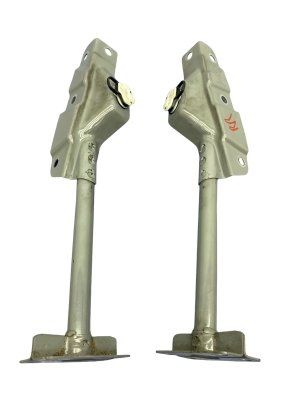
OEM Part Numbers: 62059-KB51B (Left Side Bumper Stiffener/Bracket) 62058-KB51B (Right Side Bumper Stiffener/Bracket) 62058-JF01A (Right Side Bumper Bracket, replaces 62058-JF00A)
Material: Primarily plastic (for bumper-to-fender brackets) and stamped steel (for fender stiffeners).
We Have This Part in Stock

The information in this article is provided for general reference and educational purposes only. Vehicle specifications, procedures, and part compatibility can vary by production date, trim level, and region. Always consult your vehicle's factory service manual and verify part numbers before purchasing or performing repairs. Safety-critical components such as airbags, seat belts, and braking systems should be installed by a qualified professional.
- Nissan GT-R:
- 🛍️ Shop This Part
- Symptoms of Damaged Fender & Bumper Brackets
- 1. Gap Between Fender and Bumper
- 2. Loose or Vibrating Bumper Corners
- 3. Misaligned Body Lines
- Known Issues, TSBs, and Recalls
- Buying a Used Fender or Bumper Bracket
- What to Physically Inspect
- Why Used OEM is the Smart Choice
- Cost Comparison: GT-R Front-End Brackets & Fender
- Replacement Overview & Difficulty
- Replacement Steps Summary
- Frequently Asked Questions
- 🎟️ Get 5% Off