

2016-2022 BMW 750e xDrive Fender Support Bracket: Alignment, Noise & Replacement
This guide covers the common failure symptoms, replacement costs, and what to inspect when buying a used fender support bracket for your G12-chassis BMW 7-series.
- The primary symptoms of a bad fender support bracket are physical: misaligned body panels and rattling noises from the front corners of the car.
- There are no specific recalls or TSBs for this part; failure is almost always due to collision damage or long-term vibration.
- When buying used, prioritize a genuine OEM bracket and inspect it carefully for cracks, bends, and intact mounting holes to ensure proper fender fitment.
- Replacement requires removing the entire front fender panel, making it a moderately difficult DIY job that takes about two hours.
Symptoms of a Failing Fender Support Bracket
Since the fender support bracket is a structural part, signs of failure are almost always physical or audible. The most common cause of failure is a front or side collision, but metal fatigue from vibration or corrosion can also cause problems over time.
- Misaligned Fender or Bumper: The most obvious symptom is a poor fit between body panels. You may notice an uneven gap between the fender and the hood, door, or front bumper cover. The fender might look like it's sagging or pushed in.
- Rattling or Knocking Noises: A loose, cracked, or broken bracket will allow the fender to vibrate against the chassis, especially when driving over bumps or on rough roads. This can sound like a rattle, clunk, or grinding noise coming from the front corner of the car.
- Visible Damage: In some cases, especially after a minor impact, you may be able to see a cracked, bent, or broken bracket by looking inside the wheel well (after cleaning the area) or from under the front of the car.
- Fender Flapping or Wobbling: In severe cases of bracket failure, the fender may feel loose to the touch and can visibly wobble or flap at highway speeds.
Known Issues, TSBs, and Recalls
As of mid-2026, there are no specific recalls, Technical Service Bulletins (TSBs), or widespread known issues from BMW related directly to the fender support brackets on the 2016-2022 750e xDrive. Failures are almost always the result of physical damage from an accident or environmental factors like corrosion.
While the vehicle has been subject to other recalls for its electrical, braking, and steering systems, these do not pertain to the fender brackets.
Pro Tip: The driver's side fender on the 750e xDrive houses the charging port. When removing the fender to access the support bracket, the charge port door and its electronic actuator must be carefully disconnected. This adds an extra step compared to the passenger side.
Buying a Used Fender Support Bracket: What to Check
For a structural part like this, a used OEM bracket is often a better choice than a new aftermarket one. Genuine BMW parts guarantee a perfect fit, which is critical for body panel alignment. Aftermarket body parts can sometimes have slight variations that lead to installation headaches and improper panel gaps. Here’s what to inspect before buying a used bracket:
- Check for Cracks: Carefully inspect the entire bracket, especially around bends and mounting holes, for any hairline cracks. Stress from a previous impact can create weak points that will fail later.
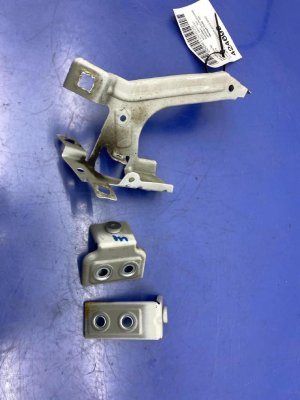
- Look for Bends or Deformation: Lay the bracket on a flat surface. It should sit flush without any wobble. Compare it to photos of a new part to ensure none of the arms are bent or twisted. Even a slight bend can throw off the fender's alignment.
- Inspect All Mounting Points: Ensure all bolt holes are round and intact, not elongated or broken out. All tabs and clips should be present and free of damage.
- Avoid Repaired Brackets: Do not purchase a bracket that shows signs of being welded, glued, or otherwise repaired. These repairs are weak spots and will not hold up.
- Surface Corrosion: Minor surface rust on a steel bracket is usually just cosmetic and can be cleaned and painted. However, avoid any bracket with deep, flaking rust or pitting, as this indicates the metal has lost structural strength.
Replacement Overview & Difficulty
Replacing the fender support bracket requires removing the front fender panel. While not technically complex, it requires care to avoid scratching paint or breaking plastic clips. The process involves accessing bolts in the engine bay, inside the door jamb, and under the car.
Installation Difficulty: 3 out of 5 (Moderate)
DIY Feasible: Yes, for a patient DIYer with basic tools.
Estimated Time: 1.5 - 2.5 hours
General Replacement Steps:
- Prepare the Vehicle: Park on a level surface and disconnect the battery. It's highly recommended to apply painter's tape to the edges of the hood, bumper, and door to prevent scratches.
- Remove the Front Wheel: This provides access to the fender liner.
- Remove the Fender Liner: The liner is held in by a series of 8mm and 10mm screws, as well as plastic expansion rivets.
- Unbolt the Fender: Remove the 10mm bolts along the top of the fender in the engine bay, the bolt located inside the front door jamb, and the screws connecting the fender to the front bumper cover and side skirt.
- Disconnect Electronics (Driver's Side): If working on the driver's side, unplug the charge port actuator before fully removing the fender.
- Remove the Fender: With all bolts and clips removed, the fender can be carefully pulled away from the vehicle.
- Replace the Bracket: The support bracket(s) will now be visible and attached to the chassis. Unbolt the old bracket and install the new one.
- Reassembly: Re-install the fender, ensuring all panel gaps are even before fully tightening the bolts. Re-install the fender liner and wheel, torquing the lug nuts to specification.
Cost Comparison
Pricing can vary based on supplier and condition. These are typical estimates as of late 2026.
| Part Type | Estimated Cost |
|---|---|
| New OEM | $45 - $60 |
| New Aftermarket | $20 - $40 (Availability is limited) |
| Used OEM | $25 - $50 |
| Shop Labor | $200 - $350 |
Frequently Asked Questions
Can I drive with a broken fender support bracket?
For a minor crack or bend causing a slight rattle, it is generally safe to drive in the short term. However, if the fender is visibly loose or wobbling, you should not drive the vehicle at highway speeds, as it could detach and cause a hazard to yourself and other drivers.
Do I need to replace the left and right brackets at the same time?
No. These brackets are independent components. You only need to replace the one that is damaged. They do not wear out like paired suspension parts.
Is the bracket for the 750e different from a regular 750i?
No, the fender support brackets themselves are the same. The part numbers 7347423 (Left) and 7347424 (Right) are used across multiple G11/G12 7-series models. The only difference in the repair process is the need to disconnect the charging port actuator on the driver's side of the 750e.
Will a bad fender bracket cause a warning light?
No. A fender support bracket is a simple structural component with no electronic sensors. It will not trigger any dashboard warning lights.
Technical Specifications
OEM Part Numbers: 7347423 (Left / Driver Side) 7347424 (Right / Passenger Side)
Material: Stamped steel or high-strength composite plastic.
We Have This Part in Stock

The information in this article is provided for general reference and educational purposes only. Vehicle specifications, procedures, and part compatibility can vary by production date, trim level, and region. Always consult your vehicle's factory service manual and verify part numbers before purchasing or performing repairs. Safety-critical components such as airbags, seat belts, and braking systems should be installed by a qualified professional.
- BMW 750e xDrive: