

2008-2013 BMW M3 Fender Splash Shield: Solving Rubbing Noises and Protecting Vital Components
This guide covers the common failure points, replacement costs, and what to inspect when buying a used fender splash shield for your E90, E92, or E93 M3.
- The fender liner is critical for protecting engine electronics, wiring, and the air intake from water and debris.
- Damage is most often caused by scraping on driveways, lowered suspension, or aggressive wheel/tire fitments.
- When buying a used liner, the most important inspection is checking that all mounting holes are intact and not cracked or torn.
- A standard 3-Series liner will not fit an M3; you must use an M3-specific part for proper fitment.
Symptoms of a Failing Fender Splash Shield
Because the fender splash shield is a simple plastic or composite panel, its failures are physical. The symptoms are direct results of this damage.
1. Scraping or Rubbing Noises
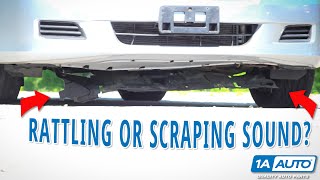
The most common symptom is a scraping, rubbing, or flapping noise coming from the wheel well area. This often happens when turning, driving over bumps, or at high speeds. The noise is caused by a loose or sagging liner making contact with the tire.
🎬 See how a loose liner causes these scraping noises.2. Visible Damage or Sagging
A quick visual inspection can reveal problems. Look for cracks, holes, or sections of the liner that are hanging down or appear misaligned. The mounting points, where screws and plastic clips hold the liner to the bumper and chassis, are common failure areas.
3. Excessive Dirt in Engine Bay
If you notice an unusual amount of dirt, leaves, or water spray collecting in your engine compartment, it's a strong sign that a fender liner is compromised or missing. This allows debris kicked up by the tires to bypass the shield and enter areas it shouldn't.
Known Issues for the 2008-2013 BMW M3
While the fender liner is a simple part, the M3's performance characteristics create specific, common issues:
- Lowered Suspension & Aggressive Wheels: Many M3 owners lower their cars or install wider wheels and tires. This reduces the clearance between the tire and the liner, making rubbing and eventual damage almost inevitable, especially during turns or suspension compression. Forum users frequently discuss modifying or heat-molding liners to create more space.
- Scraping on Driveways: The M3's low front bumper and associated undertrays are susceptible to damage from steep driveways, parking curbs, and speed bumps. This impact often tears the lower mounting points of the fender liner where it connects to the bumper.
- Missing Fasteners: Over time, the plastic clips and small 8mm or 10mm screws that hold the liners in place can become brittle, break, or simply get lost during service. A few missing fasteners can cause the liner to sag and eventually lead to catastrophic failure.
Pro Tip: The M3 fender liner is a multi-piece assembly. There is the main liner in the wheel well, and often smaller connecting pieces or splash guards that attach to the underbody tray. When one piece is damaged or goes missing, it can cause a chain reaction, leading to the failure of adjacent panels.
Buying a Used Fender Splash Shield: What to Check
A used OEM fender liner is often a better choice than a cheap aftermarket alternative due to superior fit and material quality. However, careful inspection is key.
- Verify M3 Specificity: A standard 3-Series (E90/E92/E93) liner will NOT fit an M3. The M3 has wider fenders and a different bumper design. Ensure the part is explicitly from an M3.
- Inspect All Mounting Points: This is the most critical check. Carefully examine every hole where a screw or clip would pass through. Look for cracks radiating from the holes or torn-through sections. A liner with a broken main mounting tab is nearly useless.
- Check for Brittleness and Cracks: Flex the plastic slightly. It should have some give. If it feels overly stiff, brittle, or makes crackling sounds, it has been degraded by heat and age. Check the entire surface for large cracks or holes from previous impacts.
- Confirm Side and Section: Liners are specific to the driver's side (left) and passenger's side (right). Furthermore, the front wheel well protection is often made of two or more pieces (e.g., a main liner and a smaller forward splash guard). Make sure you are buying the exact piece you need.
Cost Comparison
| Part | Estimated Cost |
|---|---|
| New OEM | $145 - $200 per side |
| New Aftermarket | $50 - $100 per side (Fitment may vary) |
| Used OEM | $75 - $150 per side |
| Shop Labor | $100 - $200 per side |
Installation Difficulty & Procedure
Replacing a fender liner is a straightforward DIY project.
- Difficulty: 2 out of 5
- Time: 30-60 minutes per side
The basic steps involve jacking up the car safely, removing the wheel, and removing the series of 8mm screws, 10mm bolts, and plastic push-pins that secure the old liner. Installation is the reverse of removal. Ensure all fasteners are replaced to prevent the new liner from sagging.
Warning: No recalls or Technical Service Bulletins (TSBs) have been issued specifically for the fender splash shields on the 2008-2013 BMW M3. Any failures are due to wear, impact, or modification.
Frequently Asked Questions (FAQ)
Is a fender splash shield really necessary?
Yes. Driving without a fender liner exposes your car's engine electronics, air intake, accessory belts, and chassis to water, salt, and debris. This can lead to electrical failures, belt slippage, and accelerated rust and corrosion.
Can I repair a cracked fender liner?
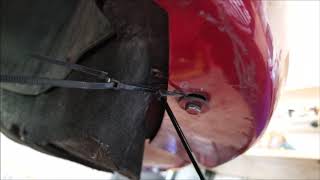
For small cracks or broken tabs, some owners have had success with plastic welding, pop rivets, or using zip ties as a temporary "drift stitch" fix. 🎬 Watch this quick video on how to patch a damaged liner. However, for large holes or widespread damage, replacement is the only effective solution.
Will an aftermarket fender liner fit my M3 as well as the original?
Often, no. While cheaper, aftermarket body panels are known for having fitment issues. They may use a slightly different plastic, have misaligned holes, or a shape that isn't an exact match, which can lead to rubbing or gaps. For a performance car with tight tolerances like an M3, a used OEM part is generally a safer bet for proper fit.
Why is my new, wider tire rubbing on the liner?
The M3's wheel wells have limited clearance from the factory. Installing wider tires, wheels with a lower offset, or wheel spacers pushes the tire closer to the liner, causing it to rub when you turn the steering wheel or the suspension compresses. This is a very common issue in the M3 community.
Helpful Videos
Technical Specifications
OEM Part Numbers: 51717899815 (Front Fender Liner, Bottom Left) 51717899816 (Front Fender Liner, Bottom Right) 51718043213 (Front Fender Liner, Rear Half, Left) 51718043214 (Front Fender Liner, Rear Half, Right) 51757896419 (Splash Panel, Left Front) 51757896420 (Splash Panel, Right Front)
Material: Molded plastic or felt-like composite material. Fasteners: Typically secured with 8mm screws, 10mm bolts, and plastic expansion rivets.
We Have This Part in Stock


The information in this article is provided for general reference and educational purposes only. Vehicle specifications, procedures, and part compatibility can vary by production date, trim level, and region. Always consult your vehicle's factory service manual and verify part numbers before purchasing or performing repairs. Safety-critical components such as airbags, seat belts, and braking systems should be installed by a qualified professional.
- BMW M3:
- 🎬 Helpful Videos
- 🛍️ Shop This Part
- Symptoms of a Failing Fender Splash Shield
- 1. Scraping or Rubbing Noises
- 2. Visible Damage or Sagging
- 3. Excessive Dirt in Engine Bay
- Known Issues for the 2008-2013 BMW M3
- Buying a Used Fender Splash Shield: What to Check
- Cost Comparison
- Installation Difficulty & Procedure
- Frequently Asked Questions (FAQ)
- 🎟️ Get 5% Off