

2021-2025 Genesis GV80 Fender Seal: Addressing Wind Noise and Water Leaks
This guide covers common failure symptoms, replacement costs, and what to inspect when buying a used fender seal for your 2021-2025 Genesis GV80.
- The most common symptom of a failed fender seal is increased wind noise from the front of the cabin at highway speeds.
- This part (84169-T6000 for the right side) is for the standard GV80 SUV only and will NOT fit the GV80 Coupe model introduced in 2025.
- When buying a used seal, prioritize flexibility and the absence of cracks over appearance. A pliable, intact seal is better than a clean but brittle one.
- Replacement is a simple, press-fit installation that does not require special tools or adhesives, making it an easy DIY job.
Symptoms of a Failing Fender Seal
A bad fender seal on a Genesis GV80 will primarily cause issues related to noise and water intrusion. Because the GV80 is engineered for a quiet ride, 🎬 Watch: Genesis Road Active Noise Control technology explained these symptoms can be particularly noticeable.
1. Increased Wind or Whistling Noise
The most common symptom is an increase in wind noise from the front of the cabin, especially near the doors or dashboard, at speeds above 40-50 MPH. This may sound like a 'whooshing' noise or a high-pitched whistle. Owners sometimes report that it sounds like a window is slightly open. While wind noise can have several causes, a visibly damaged, shrunken, or hardened fender seal is a likely culprit.
2. Water Leaks into the Cabin or A-Pillar
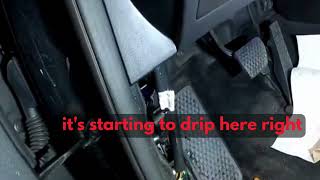
A compromised seal can allow water from rain or car washes to seep past the fender and into the A-pillar (the metal pillar on either side of the windshield). This can lead to damp carpets in the front footwells, a wet headliner near the sun visor, or visible water dripping from under the dashboard. These leaks are often caused by clogged sunroof drains, but a faulty fender seal can also be the source or a contributing factor.
3. Visible Damage to the Seal
Physically inspect the seal located in the seam between the back edge of the front fender and the car's body. A healthy seal is soft, pliable, and sits snugly. Signs of failure include:
- Cracks, tears, or holes in the rubber.
- Hardened or brittle texture where the rubber no longer feels flexible.
- Shrinking or pulling away from the body, leaving visible gaps.
- Loose or hanging sections that may make flapping noises while driving.
Compatibility Warning: This fender seal (part number 84169-T6000) fits the standard 2021-2025 Genesis GV80 SUV. It will not fit the GV80 Coupe model introduced for the 2025 model year. The Coupe has a different body style and roofline, and its parts are not interchangeable with the SUV.
Known Issues, TSBs, and Recalls
As of mid-2024, there are no specific recalls or Technical Service Bulletins (TSBs) from Genesis that directly address the fender seals on the 2021-2025 GV80. However, several TSBs exist for related issues that can present similar symptoms:
- TSB 24-BD-008G-1: Addresses water leaks inside the vehicle due to clogged sunroof drain hose plugs 🎬 See: How to fix a leaking Genesis sunroof on certain 2021-2025 GV80 models. Symptoms include water leakage or a gurgling noise from the sunroof area.
- TSB 23-DS-004G: Pertains to rear differential noise on 2021+ GV80 models, which could be misdiagnosed as road or wind noise.
- General Wind Noise: Owners on forums have reported various wind noise issues, sometimes traced to sunroof alignment or door seals. While not specific to the fender seal, it highlights the vehicle's sensitivity to sealing issues.
The GV80 has had recalls for other issues, such as seat belt pretensioners and fuel pumps, but none are related to the body seals.
Buying a Used Fender Seal
A used OEM fender seal is an excellent, cost-effective option, as the original Genesis part is designed for a perfect fit and optimal noise suppression. Aftermarket versions for this specific part are rare and may not match the quality of the original rubber compound.
What to Check Before Buying
- Check for Pliability: Squeeze the rubber. It should feel soft and flexible, not hard, stiff, or crunchy. A brittle seal will not create a proper seal and will fail quickly.
- Inspect for Damage: Carefully examine the entire length of the seal for any cracks, tears, or holes. Pay special attention to the corners and molded ends, as these are common failure points.
- Look for Compression Damage: Check for areas that look permanently flattened or crushed. This can happen if the part was stored improperly and indicates it may not seal correctly.
- Verify the Part Number: Ensure the part is the correct one for your vehicle. The OEM part number for the right (passenger) side is 84169-T6000. The left (driver) side will have a different but corresponding part number. Always confirm which side you are buying.
Pro Tip: When buying online, look for listings with clear, high-resolution photos of the actual part you will receive. Avoid sellers using stock photos. Ask the seller to confirm the seal's flexibility if you cannot inspect it in person.
Replacement Information
Replacing the fender seal is a straightforward job that most DIYers can complete with basic tools.
- Difficulty: 1 out of 5
- Estimated Time: 0.5 hours
- Tools Needed: Plastic trim removal tool, possibly a small flathead screwdriver.
The general process involves carefully prying the old, damaged seal out of its channel. It is typically held in by friction and a series of small clips integrated into the seal itself. Once removed, clean the channel of any dirt or debris. The new seal is then pressed firmly into place, ensuring all clips are engaged and the seal is seated evenly along its entire length.
Cost Comparison
Prices can vary based on your location and the supplier.
| Part Type | Estimated Cost |
|---|---|
| New OEM (Dealer) | $40 - $60 |
| New Aftermarket | Not Widely Available |
| Used OEM | $20 - $40 |
| Shop Labor | $50 - $100 |
Frequently Asked Questions (FAQ)
Is a fender seal the same as a door weatherstrip?
No. The fender seal is a static seal between the fender and the body. The door weatherstrip is attached to the door or door frame and creates a seal when the door is closed. While both prevent noise and water intrusion, they are separate parts.
Can a bad fender seal cause rust?
Yes. By allowing water and road salt to enter the seam between the fender and the chassis, a failed seal can trap moisture against unprotected metal, leading to corrosion over time.
My GV80 has wind noise, but the fender seal looks fine. What else could it be?
Wind noise in a GV80 can also be caused by a misaligned sunroof, bad door seals, or even a poorly sealed windshield. There is a TSB for sunroof alignment on the related GV70 platform, suggesting this can be a source of noise. If the fender seal is in good condition, these other areas should be inspected.
Do I need special glue to install a new fender seal?
No, the OEM fender seal for the GV80 is designed to press-fit into place using integrated clips. No adhesive is typically required for this specific part.
Helpful Videos

Technical Specifications
OEM Part Numbers: 84169-T6000
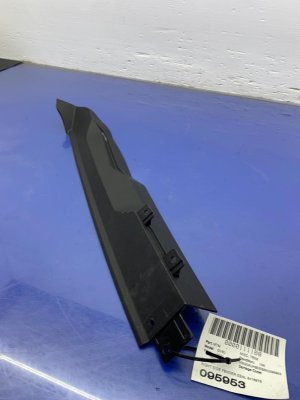
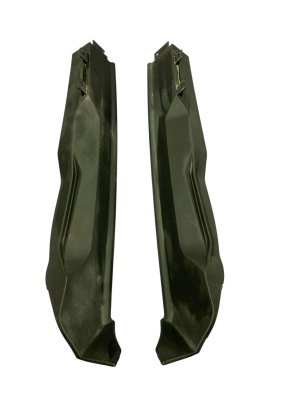
Position: Right (Passenger) Side. Also known as: Fender Ledge Cover, Cover Fender Apron Upper Right-hand.
We Have This Part in Stock

The information in this article is provided for general reference and educational purposes only. Vehicle specifications, procedures, and part compatibility can vary by production date, trim level, and region. Always consult your vehicle's factory service manual and verify part numbers before purchasing or performing repairs. Safety-critical components such as airbags, seat belts, and braking systems should be installed by a qualified professional.
- Genesis GV80:
- 🎬 Helpful Videos
- 🛍️ Shop This Part
- Symptoms of a Failing Fender Seal
- 1. Increased Wind or Whistling Noise
- 2. Water Leaks into the Cabin or A-Pillar
- 3. Visible Damage to the Seal
- Known Issues, TSBs, and Recalls
- Buying a Used Fender Seal
- What to Check Before Buying
- Replacement Information
- Cost Comparison
- Frequently Asked Questions (FAQ)
- 🎟️ Get 5% Off