

2013-2016 Scion FR-S Fender: A Buyer's Guide to Swaps, Materials, and Replacement
This guide covers the critical details of replacing a 2013-2016 Scion FR-S fender, including its shared platform with the Subaru BRZ and Toyota 86, material considerations, and what to inspect on a used part.
- The fender is interchangeable with the 2013-2020 Subaru BRZ and 2017-2020 Toyota 86, greatly expanding used part options.
- The factory fender is made of lightweight aluminum; inspect used ones carefully for cracks, as aluminum is less repairable than steel.
- The side vent/garnish is a separate piece and may differ between models, but it can be swapped over from your original fender.
- Always budget for a professional paint job. A used fender, even of the same color, will not be a perfect match due to weathering and paint batch differences.
Symptoms of a Damaged Fender

Unlike mechanical parts, a fender's failure is purely visual and structural. There are no codes or electronic warnings. Symptoms are straightforward and result from physical impact or, less commonly, corrosion.
- Visible Dents and Dings: The most common symptom is damage from minor collisions, parking lot incidents, or road debris.
- Cracks or Tears: Because the fender is aluminum, a significant impact can cause the metal to crack or tear rather than just dent. This is especially common near mounting points.
- Poor Panel Gaps: Uneven gaps between the fender, hood, A-pillar, and front door can indicate a bent fender or previous low-quality repair work.
- Scratched or Chipped Paint: Damage to the paint can expose the aluminum underneath. While aluminum doesn't rust like steel, it can still corrode, appearing as a white, chalky powder.
- Tire Rubbing Noises: A severely damaged or bent fender can push the plastic fender liner into the tire, causing a rubbing sound, especially during turns.
Warning: A badly damaged fender can have sharp edges, posing a safety risk to pedestrians and cyclists. It may also compromise the mounting of the headlight and bumper, and in some cases, could lead to a citation from law enforcement.
Buying a Used 2013-2016 Scion FR-S Fender


Sourcing a used OEM fender is an excellent way to save money while retaining factory quality and fitment. The FR-S shares its chassis and many body panels with the Subaru BRZ and Toyota 86, which is great news for buyers.
Compatibility Across Models
The front fenders are directly interchangeable between the 2013-2016 Scion FR-S, 2013-2020 Subaru BRZ, and 2017-2020 Toyota 86. This significantly widens the pool of potential donor vehicles. While the main fender stamping is the same, there are minor differences to be aware of:
- Fender Garnish / Vent: The small decorative vent piece on the side of the fender can vary between models and years. However, this part is a separate piece that can be easily swapped from your old fender or purchased separately.
- Paint Color: Do not expect a used fender, even from a car with the same factory color, to be a perfect match. Sun exposure, different paint batches, and wear will cause variations. Always budget for a professional paint job to ensure a perfect blend with your vehicle's existing paint.
Inspection Checklist for a Used Fender
Before purchasing a used fender, perform a thorough inspection:
- Check for Hidden Repairs: Look at the back side of the fender for signs of bodywork. Check for waviness in the reflection under good light, which indicates body filler (Bondo) has been used to smooth out previous damage.
- Inspect for Cracks: Since the fender is aluminum, pay close attention to all mounting holes and edges for small cracks. Aluminum is less forgiving than steel and can crack from impacts that would only dent a steel panel.
- Verify the Material: Some aftermarket fenders are made of steel or fiberglass. An OEM fender will be aluminum. A small magnet will not stick to an aluminum fender, which is a quick way to verify the material.
- Examine the Edges: Check the rolled edges along the wheel arch and bottom for signs of bending or damage. These areas are often difficult to repair perfectly.
- Look for Corrosion: While aluminum doesn't rust through like steel, it can develop surface corrosion. Look for any bubbling paint or white, chalky residue, which indicates the aluminum has started to oxidize.
Pro Tip: Buying a used OEM fender, even one with minor scratches that needs repainting, is often a better choice than a new, cheap aftermarket fender. OEM panels are guaranteed to have the correct shape, mounting points, and material for a perfect fit, whereas aftermarket parts can require significant modification to align correctly.
Known Issues, TSBs, and Recalls
There have been no recalls or widespread Technical Service Bulletins (TSBs) specifically for the fenders on the 2013-2016 Scion FR-S. However, a TSB was issued in the first model year (2013) acknowledging that some early vehicles could have body panel fitment issues that might not meet customer expectations. This was related to the assembly process and not a defect in the fender itself. Other recalls for this vehicle relate to the engine valve springs, ignition interlock, and incorrect labels, none of which involve the fender.
Replacement Overview
Replacing the fender is a straightforward job for a DIYer with basic tools, but achieving perfect panel alignment requires patience.
- Difficulty: 2 out of 5
- Tools Required: Socket set (10mm), screwdrivers, plastic trim removal tools, jack and jack stands.
- General Steps:
- Safely lift the front of the car and remove the wheel.
- Remove the plastic fender liner from the wheel well.
- Partially remove the front bumper cover to access the bolts connecting it to the fender.
- Open the door to access bolts at the rear of the fender, near the A-pillar.
- Remove the bolts along the top of the fender in the engine bay.
- Carefully detach the side marker light wiring.
- Remove the fender garnish/vent assembly.
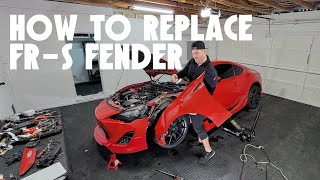
- Once all bolts are removed, the fender can be taken off the car. Installation is the reverse of removal, paying close attention to panel gaps before fully tightening all bolts. 🎬 Watch this step-by-step video guide to installing a Scion FR-S fender
Cost Comparison
Prices can vary based on location and condition. Painting is a significant additional cost.
| Part Type | Estimated Cost (Part Only) |
|---|---|
| New OEM | $150 - $210 |
| New Aftermarket (Steel or Fiberglass) | $70 - $150 |
| Used OEM | $100 - $250 (depending on condition) |
| Shop Labor (Installation Only) | $100 - $200 |
| Shop Labor (Paint & Blend) | $300 - $600+ |
Frequently Asked Questions
Will a fender from a Subaru BRZ or Toyota 86 fit my Scion FR-S?
Yes, the main fender panel is identical and will bolt directly onto a 2013-2016 Scion FR-S if it comes from a 2013-2020 BRZ or a 2017-2020 86. You may need to swap over your original side vent/garnish, but the fitment is the same.
Is the Scion FR-S fender made of steel or aluminum?
The original equipment (OEM) fender is made of aluminum to save weight. Many cheaper aftermarket replacements are made of steel, which is heavier. You can use a magnet to test; it will not stick to the factory aluminum fender.
Do I have to paint a used fender if it's already the same color as my car?
It is highly recommended. Even if the paint code is the same, paint fades and weathers over time, so a used panel will almost never be a perfect match. For a seamless look, a body shop will need to paint the replacement fender and "blend" the new paint into the adjacent door and hood.
Can I replace the fender myself?
Yes, replacing the fender is a manageable DIY job for someone with basic mechanical skills and tools. The most challenging part is not the unbolting and bolting, but carefully aligning the new panel to ensure even gaps with the hood, door, and bumper.
Helpful Videos
Technical Specifications
OEM Part Numbers: SC1241108 SU003-01390 SU003-01391 SU00301390 57110CA0109P 57120CA0009P 57120CA0109P 57120CA0119P SU00301389 SU00301453 SU00307165 SU00307379
Material: Aluminum

The information in this article is provided for general reference and educational purposes only. Vehicle specifications, procedures, and part compatibility can vary by production date, trim level, and region. Always consult your vehicle's factory service manual and verify part numbers before purchasing or performing repairs. Safety-critical components such as airbags, seat belts, and braking systems should be installed by a qualified professional.
- Scion FR-S: