

2016-2018 Nissan Titan XD Fender: Decoding the Critical Fender Flare Fitment
This guide details the crucial differences in Titan XD fenders, focusing on models with factory fender flares to ensure you get the right part the first time.
- The fender MUST be for a Titan XD model equipped with factory fender flares; parts from non-flare or standard Titan models will not fit.
- For 2017 models, verify the production date; part number 63101EZ00B fits trucks built through December 2016.
- When buying used, prioritize checking for hidden body filler and ensuring all mounting points are straight and undamaged.
- There are no major recalls or TSBs for fender defects; issues are typically related to physical damage or rust.
Key Compatibility Warnings for 2016-2018 Titan XD Fenders
Before purchasing a replacement fender for your 2016-2018 Nissan Titan XD, there are two critical compatibility checks you must perform. Ordering the wrong part is a common and costly mistake.
1. Fender Flare Provision: With vs. Without
The most important distinction is whether your truck is equipped with factory fender flares. Fenders are manufactured in two different styles:
- For Models WITH Flares: These fenders have specific mounting holes and slots stamped into the steel along the wheel arch. These are required to attach the plastic fender flare clips. The primary OEM part number for the driver-side fender with flare provisions is 63101EZ00B.
- For Models WITHOUT Flares: These fenders have a smooth wheel arch with no mounting holes for flares. They will not accept a factory flare.
Warning: A fender designed for a truck without flares cannot be used on a truck with flares, as there will be no way to properly attach them. Always confirm the fender you are buying has the correct provisions for your truck's trim level.
2. Titan XD vs. Standard Titan
A fender from a standard (non-XD) Nissan Titan will NOT fit a Titan XD. The Titan XD is built on a heavier, longer, and taller commercial-grade frame. Forum discussions among owners confirm that the front-end body panels, including the hood and fenders, are longer on the XD model to accommodate the different chassis. Do not purchase a fender from a standard Titan for your XD, regardless of the model year.
3. Model Year 2017 Production Date Split
For the 2017 model year specifically, there is a production date consideration. The part number 63101EZ00B is specified for vehicles with a production date through December 2016. If your 2017 Titan XD was built in January 2017 or later, you must double-check the part number with the vehicle's VIN to ensure you get the correct fender.
Symptoms of a Damaged Fender
Since a fender is a static body panel, all symptoms of failure are visual or auditory. There are no electronic codes associated with a bad fender.
- Visible Dents, Dings, and Creases: The most common symptom, resulting from impacts ranging from parking lot bumps to collisions.
- Rust and Corrosion: Look for bubbling paint or visible rust, especially along the inner lip of the wheel arch, at the bottom edge where it meets the rocker panel, and around any mounting holes.
- Scratches and Paint Damage: Scratches that go through the clear coat and paint can expose the metal underneath, leading to rust.
- Poor Panel Gaps: Uneven or wide gaps between the fender, hood, A-pillar, and front door can indicate a bent fender, previous low-quality repair, or frame damage.
- Rattling or Rubbing Noises: A loose or bent fender or inner fender liner can vibrate or rub against the tire, especially when turning or driving over bumps.
Pro Tip: A known issue reported by owners is the factory fender flare rubbing against the fender's paint over time, causing abrasion. When inspecting your vehicle or a used part, check the paint condition directly under where the edge of the flare sits.
🎬 Watch: How to install aftermarket fender flaresBuying a Used Fender: What to Check
Purchasing a used OEM fender is an excellent way to get a part with perfect factory fitment for less than the cost of a new one. However, a thorough inspection is key.
- Confirm Flare Mounting Holes: This is the most important check. Look at the wheel arch lip and verify the presence of the small, square holes and slots used to mount the fender flare clips. Compare it to your existing fender.
- Inspect for Hidden Damage: Look at the fender's reflection from an angle. Ripples, waves, or dull spots in the reflection suggest body filler (Bondo) was used to hide previous damage. Run a small magnet over suspicious areas; it won't stick to thick body filler.
- Check the Backside: Flip the fender over. Look for signs of repair like hammer marks, cracked paint, or overspray, which indicate it has been damaged and reworked.
- Examine All Mounting Points: Carefully check every bolt hole at the top, front (near the headlight), and rear (near the door hinge). Ensure the metal is straight and the holes are not torn or enlarged, as this can make alignment impossible.
- Look for Rust: Pay close attention to the lower rear corner and the inner wheel well lip. These areas trap moisture and are the first to rust. Surface rust can be treated, but avoid any fender with rot that has eaten through the metal.
- Verify it's OEM: An original Nissan fender will feel heavier and more rigid than a cheap aftermarket copy. Look for a Nissan stamp or part number sticker on the inside surface. Used OEM steel generally offers better corrosion resistance and fit than new, low-cost aftermarket panels.
Known Issues, TSBs, and Recalls
As of early 2026, there are no specific recalls or Technical Service Bulletins (TSBs) from Nissan or the NHTSA that directly address the fenders on the 2016-2018 Titan XD. Recalls issued for these trucks pertain to issues like incorrect load capacity labels, seatbelt components, and wiring harnesses, not the body panels themselves.
Replacement Overview & Difficulty
Replacing a fender on the Titan XD is a bolt-on process that is manageable for a DIYer with basic tools. The general steps involve:
- Safely support the vehicle and remove the front wheel.
- Remove the plastic push-clips and screws holding the inner fender liner and pull it out of the way.
- Open the hood and remove the bolts along the top of the fender in the engine bay.
- Open the front door to access the bolts securing the fender to the A-pillar.
- Remove any bolts connecting the fender to the front bumper cover and radiator support area.
- Disconnect the side marker light wiring harness, if equipped.
- Carefully remove the fender from the vehicle. 🎬 See this step-by-step fender removal walkthrough
Installation is the reverse of removal. It's recommended to leave all bolts slightly loose until the panel is positioned correctly to achieve even gaps with the hood and door, then tighten everything to spec.
Cost Comparison for a Titan XD Fender (Driver Side)
| Part Type | Estimated Cost |
|---|---|
| New OEM (Nissan) | $340 - $450 |
| New Aftermarket | $150 - $400 |
| Used OEM | $175 - $300 |
| Shop Labor (Install & Paint) | $400 - $700 |
Note: Used and new aftermarket fenders will require painting to match your vehicle, which significantly adds to the total cost.
Frequently Asked Questions (FAQ)
Do I need to paint a used fender?
Yes, almost always. Unless you are lucky enough to find a used fender in the exact same color and in perfect condition, it will need to be professionally painted to match your truck. The cost of paint and prep work often exceeds the cost of the used part itself.
Will a fender from a regular Nissan Titan fit my Titan XD?
No, it will not fit. The Titan XD has a different frame and is physically longer than the standard Titan. The fenders and other front-end body panels are not interchangeable between the two models.
What tools are needed to replace a fender?
You will need a basic socket set (likely with 10mm and 13mm sockets), a ratchet with extensions, a trim removal tool for the plastic clips on the fender liner, and potentially a flathead screwdriver. No specialty tools are required.
Is it better to buy a used OEM fender or a new aftermarket one?
For fitment and quality, a damage-free used OEM fender is often the superior choice. Original factory parts are made from a heavier gauge steel and are stamped with greater precision, ensuring panel gaps are correct. While some high-end (CAPA certified) aftermarket parts can be good, many cheaper versions are known for poor fitment, requiring extra bodywork to install correctly.
Helpful Videos
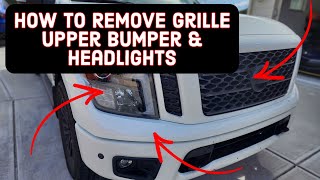

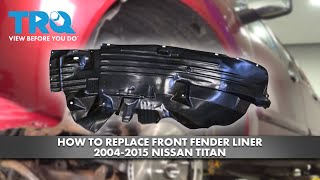
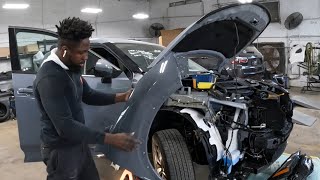
Technical Specifications
OEM Part Numbers: 63101EZ00B
Material: Steel. Fits vehicles with factory fender flares.

The information in this article is provided for general reference and educational purposes only. Vehicle specifications, procedures, and part compatibility can vary by production date, trim level, and region. Always consult your vehicle's factory service manual and verify part numbers before purchasing or performing repairs. Safety-critical components such as airbags, seat belts, and braking systems should be installed by a qualified professional.
- Nissan Titan XD:
- 🎬 Helpful Videos
- Key Compatibility Warnings for 2016-2018 Titan XD Fenders
- 1. Fender Flare Provision: With vs. Without
- 2. Titan XD vs. Standard Titan
- 3. Model Year 2017 Production Date Split
- Symptoms of a Damaged Fender
- Buying a Used Fender: What to Check
- Known Issues, TSBs, and Recalls
- Replacement Overview & Difficulty
- Cost Comparison for a Titan XD Fender (Driver Side)
- Frequently Asked Questions (FAQ)
- 🎟️ Get 5% Off