

2003-2008 Mazda 6 Fender: A Buyer's Guide to Fighting Rust and Ensuring Fitment
This guide covers the notorious rust issues, critical compatibility checks, and replacement costs for the first-generation Mazda 6 front fender.
- The number one issue for 2003-2008 Mazda 6 fenders is severe rust on the wheel arch lip; inspect this area carefully on any potential purchase.
- Fenders are NOT interchangeable with the Mazdaspeed6 model.
- Verify if your car has factory rocker mouldings, as this determines which fender you need (with or without mounting holes).
- A used OEM fender often provides a better fit than a new, cheap aftermarket part, but will require professional painting.
Symptoms of a Damaged or Failing Fender
Unlike mechanical parts, fender failure is almost always visible. The symptoms are straightforward and directly impact the vehicle's appearance and potentially its safety.
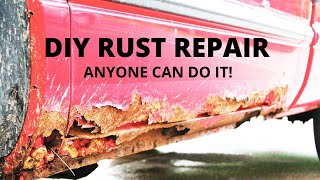
- Visible Rust or Paint Bubbling: This is the most significant issue for 2003-2008 Mazda 6 models. Rust often starts as small bubbles in the paint, typically on the lip of the wheel arch where the inner and outer panels meet. Over time, this can progress to flaking paint and perforated, rotting metal.
- Dents, Dings, and Creases: Damage from minor collisions, parking lot incidents, or road debris is a common reason for replacement. While small dents can sometimes be repaired, larger creases often compromise the panel's shape and require a full replacement.
- Poor Panel Gaps: After an accident, a fender may be bent or misaligned, creating uneven gaps with the hood, front bumper, or door. This not only looks bad but can also indicate underlying structural damage.
- Tire Rubbing Noises: A severely damaged or improperly installed fender can make contact with the tire, especially during turns or suspension compression. This is a safety hazard that can damage the tire and should be addressed immediately.
Known Issues for 2003-2008 Mazda 6 Fenders
The Inevitable Wheel Arch Rust
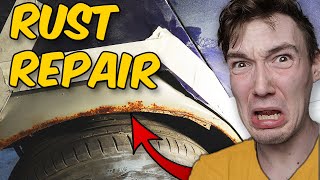
The first-generation Mazda 6 is well-known for significant rust problems, particularly on the front and rear wheel arches. This is not just a cosmetic issue; it can become a serious structural problem if left untreated. The rust originates from a design flaw where the inner and outer fender panels are joined at the wheel arch lip. This seam can trap moisture and salt, causing rust to form from the inside out. Many owners report seeing paint bubbles appear, which quickly turn into full-blown rot. 🎬 See: Extreme Mazda rust damage up close While Mazda issued recalls for subframe rust on later model years, no specific recall was ever issued for fender rust on the 2003-2008 models. Some dealers did apply extra undersealing to the arch lips as a preventative measure during routine service.
Pro Tip: When inspecting a Mazda 6 from this generation, run your fingers along the inner lip of the entire wheel arch. Any roughness, flaking, or swelling is a clear sign that rust has already started, even if the outside paint looks perfect.
Buying a Used 2003-2008 Mazda 6 Fender: What to Check
Due to the high cost of new OEM parts and the poor fitment of some cheap aftermarket options, a used OEM fender is often the best choice, provided you find a good one.
1. Critical Compatibility Checks
Not all first-generation Mazda 6 fenders are the same. Verifying you have the right part before you buy is essential.
- Mazdaspeed6 EXCEPTION: Fenders from the high-performance Mazdaspeed6 model will NOT fit a standard Mazda 6. They have a different shape and flare.
- Rocker Moulding / Spoiler Holes: Base models and models with factory side skirts (rocker mouldings) use different fenders. Fenders for models with mouldings have pre-drilled holes for the mounting clips. The provided OEM part numbers GK2C-52-211B (driver side) and GK2C-52-111B (passenger side) are for models WITH these spoiler/moulding holes. Part number GK2A-52-211B is for models WITHOUT them. Always match the fender to your car's trim level.
- Body Style (Sedan vs. Hatchback vs. Wagon): While the front-end styling is very similar, it is not confirmed if fenders are directly interchangeable between the sedan, hatchback, and wagon body styles. To be safe, source a fender from the exact same body style as your vehicle.
2. Physical Inspection Checklist
- Check for Rust: This is the number one priority. Thoroughly inspect the wheel arch lip, both inside and out. Reject any fender with existing rust or paint bubbles.
- Look for Previous Repairs: Check for signs of body filler (Bondo). A magnet will not stick firmly to areas with thick filler. Look at the underside of the panel for overspray, sanding marks, or tape lines that indicate a past repair.
- Inspect All Mounting Points: Ensure all the bolt holes along the top, by the door hinge, and at the bumper connection are intact and not cracked, bent, or rusted out.
- Examine for Dents and Creases: Minor surface scratches are acceptable as the part will likely be repainted. However, avoid fenders with sharp creases or deep dents, as they are difficult to repair properly and may indicate the metal is stretched.
3. Used OEM vs. New Aftermarket
For a vehicle like the Mazda 6 where panel alignment is key to its appearance, a used OEM fender is often superior to a cheap, new aftermarket one. OEM fenders are made from a thicker gauge steel and are stamped using the original factory dies, ensuring a near-perfect fit. While some high-quality aftermarket parts fit well, many cheaper versions can require significant work—like elongating holes or bending tabs—to align properly, increasing labor costs and potentially resulting in uneven panel gaps.
Fender Replacement Overview
Replacing the front fender on a 2003-2008 Mazda 6 is a manageable DIY project for someone with basic mechanical skills and tools.
- Difficulty: 2.5 out of 5
- Estimated Time: 1.5 - 2.5 hours
- Tools Required: 10mm socket and wrench, Phillips screwdriver, flathead screwdriver, panel clip removal tool.
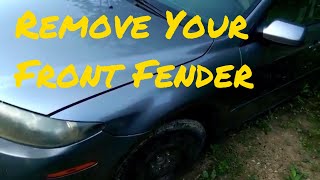
The general process involves removing several 10mm bolts: three under the hood, one inside the door jamb, and two at the bottom. You will also need to peel back the plastic fender liner to access bolts 🎬 Watch: How to remove the front bumper connecting the fender to the front bumper cover and the car's A-pillar. The fender can then be carefully removed.
🎬 Watch: Step-by-step front fender removal guideWarning: The new fender must be painted to match your vehicle. This is not a simple spray-can job. For a proper match, a body shop will need to blend the new color into the adjacent door and bumper, which significantly adds to the total cost.
Cost Comparison: 2003-2008 Mazda 6 Fender
| Part Type | Estimated Cost (Part Only) |
|---|---|
| New OEM | $175 - $390 |
| New Aftermarket | $35 - $85 |
| Used OEM | $75 - $200 (varies by condition and color) |
| Shop Labor (Installation) | $150 - $300 |
| Shop Labor (Paint & Blend) | $300 - $600+ |
Frequently Asked Questions (FAQ)
Do I need to paint a used fender?
Almost always, yes. Even if you find a fender in the same color, it's unlikely to be a perfect match due to sun fading and paint batch variations. For a seamless look, a professional body shop should paint the fender and blend the color onto the adjacent panels.
Why is my Mazda 6 fender rusting so badly?
This is a common issue with first-generation Mazda 3 and Mazda 6 models. The design of the wheel arch seam traps moisture and road salt, causing rust to develop from the inside out. It is a known manufacturing and design flaw of that era.
Is the passenger side fender the same as the driver side?
No, they are mirror images of each other and are not interchangeable. You must buy the specific side you need to replace.
Are there any recalls for fender rust on the 2003-2008 Mazda 6?
No. While Mazda has issued recalls for subframe rust on some model years, there are no official recalls or technical service bulletins (TSBs) specifically for fender rust on the 2003-2008 Mazda 6.
Helpful Videos

Technical Specifications
OEM Part Numbers: GK2A-52-211B GK2A-52-211D GK2A-52-211E GK2C-52-211B GK2C-52-111B GP9A-52-211B GP9A-52-111B
Material: Steel. Primed finish on new parts.
We Have This Part in Stock


The information in this article is provided for general reference and educational purposes only. Vehicle specifications, procedures, and part compatibility can vary by production date, trim level, and region. Always consult your vehicle's factory service manual and verify part numbers before purchasing or performing repairs. Safety-critical components such as airbags, seat belts, and braking systems should be installed by a qualified professional.
- Mazda 6:
- 🎬 Helpful Videos
- 🛍️ Shop This Part
- Symptoms of a Damaged or Failing Fender
- Known Issues for 2003-2008 Mazda 6 Fenders
- The Inevitable Wheel Arch Rust
- Buying a Used 2003-2008 Mazda 6 Fender: What to Check
- 1. Critical Compatibility Checks
- 2. Physical Inspection Checklist
- 3. Used OEM vs. New Aftermarket
- Fender Replacement Overview
- Cost Comparison: 2003-2008 Mazda 6 Fender
- Frequently Asked Questions (FAQ)
- 🎟️ Get 5% Off