

2020-2026 Tesla Model Y Fender Liner: Structural Pack & Juniper Refresh Fitment Guide
This guide covers the critical fitment differences between standard and structural battery packs, and what you need to know about the 2025+ 'Juniper' refresh.
- CRITICAL: You must verify if your Model Y has a standard or 'structural' battery pack. The fender liners are different, and a visual comparison to your old part is the only way to guarantee fitment.
- Parts are NOT interchangeable between pre-refresh (2020-2024) and 'Juniper' refresh (2025+) models due to body style changes.
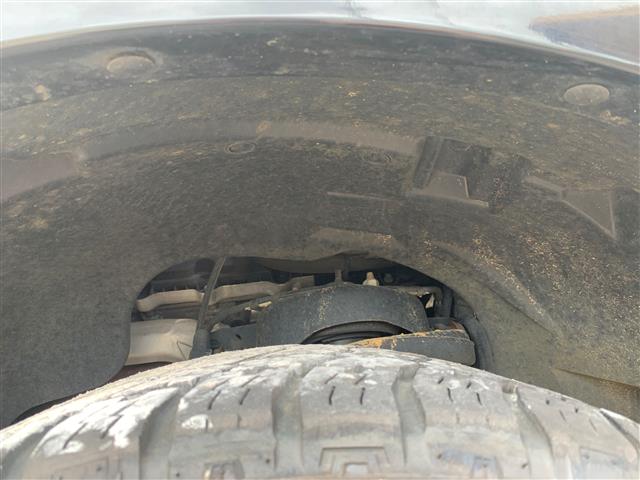
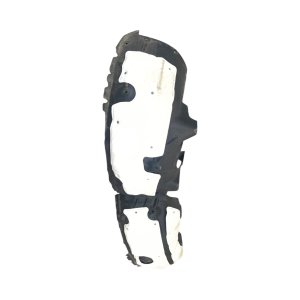
- The rear liners are a fabric/felt material for sound deadening, while the fronts are hard plastic; this is a normal factory design, not a defect.
- When buying a used liner, the most important inspection points are the mounting holes. Any cracks or damage will prevent a secure fit.
Key Compatibility Warnings for 2020-2026 Model Y Fender Liners

Before purchasing a fender liner for a Tesla Model Y, you must be aware of two major vehicle variations that affect fitment. Ordering the wrong part is a common and costly mistake.
Warning: Standard vs. Structural Battery Pack Chassis
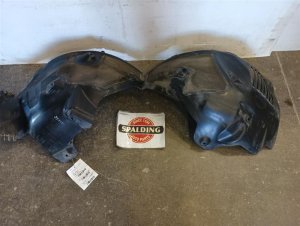
Tesla produced the Model Y with two different chassis designs. One version uses a standard, non-structural battery pack, while newer models (particularly those built in Austin, Texas) may have a "structural" battery pack with 4680 cells, where the pack itself is part of the car's structure. The official Tesla Service Manual lists separate replacement procedures for fender liners on vehicles with and without the structural pack, confirming a difference in fitment. However, part numbers in catalogs often do not clearly distinguish between the two. It is critical to visually compare photos of the replacement part with your vehicle's original liner to ensure the shape and mounting points match exactly before ordering.
Warning: 2025+ 'Juniper' Refresh Incompatibility
The 2025 model year marks the beginning of a significant refresh for the Model Y, codenamed 'Juniper'. This update includes changes to the body styling, bumpers, and lights. As a result, fender liners and related trim pieces from the earlier 2020-2024 models are not compatible with the 2025+ Juniper refresh models. Always verify the production year of your vehicle.
Symptoms of a Damaged or Missing Fender Liner

Failure of a fender liner is usually obvious, but the symptoms can range from minor annoyances to issues that can cause further damage.
- Scraping or Rubbing Noises: The most common symptom is noise. A loose liner can scrape against the tire during turns or while driving over bumps.
- Flapping Sounds at High Speed: If a section of the liner becomes detached, it can flap in the wind, creating a loud and distracting noise.
- Visible Damage: A visual inspection may reveal that the liner is cracked, has holes, is torn, or is hanging down from the wheel well.
- Debris Accumulation: A damaged liner can allow mud, rocks, and water to collect in the engine bay or on chassis components, potentially leading to corrosion or damage to wiring.
Known Issues and Owner Complaints

While there are no official recalls or Technical Service Bulletins (TSBs) specifically for the Model Y fender liners, owners have reported several common issues.
Front vs. Rear Liner Material
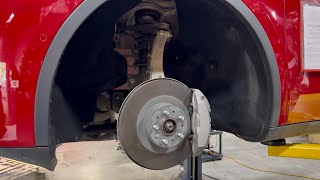
Many owners are surprised to find that the rear wheel wells have a carpet-like fabric liner, while the fronts use hard plastic. This is an intentional design choice by Tesla to improve Noise, Vibration, and Harshness (NVH) by absorbing more road noise from the rear of the vehicle. 🎬 See how to install a front fender noise reduction kit This is not a defect, but a normal characteristic of the vehicle.
Loose Fasteners
A frequent complaint across owner forums is that fender liners can be delivered from the factory with loose or missing push-clips and bolts. This can cause the liner to fit poorly from the start, leading to rattles or becoming detached over time. 🎬 Watch: How to fix annoying rattles in your Tesla It is good practice to check these fasteners periodically, especially after driving on rough roads.
Buying a Used 2020-2024 Tesla Model Y Fender Liner

A used OEM fender liner is an excellent, cost-effective choice, as it guarantees the factory fit and material quality that is crucial for this part. Aftermarket liners can be cheaper, but may use thinner materials or have slight fitment issues that create gaps or rattles.
Physical Inspection Checklist
- Check All Mounting Points: This is the most critical inspection. Carefully check every hole where a push-clip or bolt goes. Ensure there are no cracks, tears, or elongated holes. A single broken mounting point can cause the entire liner to be loose.
- Look for Cracks and Tears: Inspect the entire surface, especially around the curves and edges, for any cracks in the plastic or tears in the fabric (for rear liners). A small crack can grow quickly once installed on the vehicle.
- Assess Material Condition: For rear fabric liners, check for excessive staining, grime, or signs of being waterlogged, which could indicate it was on a flood-damaged vehicle. For front plastic liners, look for brittleness or discoloration from chemical exposure.
- Verify Part Number (With Caution): While you should try to match the part number, remember the structural vs. non-structural pack issue. Use the part number as a guide, but rely on a visual match as the final confirmation.
Cost of Replacement
The cost to replace a Model Y fender liner varies depending on the source of the part and labor rates.
| Part Source | Estimated Cost (Per Liner) |
|---|---|
| New OEM (from Tesla) | $150 - $250 |
| New Aftermarket | $70 - $150 |
| Used OEM | $50 - $120 |
| Shop Labor | $75 - $150 (0.5-1.0 hours) |
Replacement Overview
Replacing a fender liner on a Model Y is a straightforward job that is feasible for a DIY mechanic with basic tools. The process generally takes 30-60 minutes per wheel.
Pro Tip: You will need a jack, jack stands, a lug nut wrench, a 10mm socket, and a clip removal tool or a small flathead screwdriver.
- Safely lift the vehicle and secure it on jack stands.
- Remove the wheel.
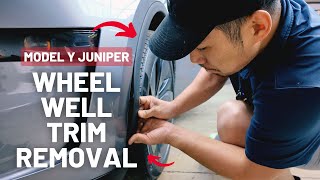
- Remove the series of plastic push-clips and 10mm bolts that secure the liner to the fender, bumper, and chassis.
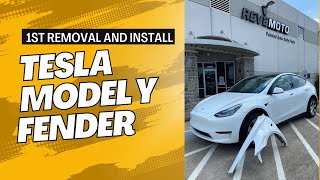
- Carefully maneuver the old liner out of the wheel well. 🎬 Watch: Step-by-step Tesla Model Y fender liner replacement guide
- Install the new liner and secure it with all clips and bolts, ensuring a snug fit.
- Reinstall the wheel and lower the vehicle.
Recalls and Technical Service Bulletins (TSBs)
As of mid-2026, there are no specific NHTSA recalls or TSBs issued for the fender liners on the 2020-2026 Tesla Model Y. While other recalls exist for the vehicle, none directly address the fender liners themselves.
Frequently Asked Questions
How do I know if my Model Y has a standard or structural battery pack?
The most reliable way is to check your vehicle's manufacturing plant and date; models built in Austin, TX are more likely to have the structural pack. However, the definitive method for a parts buyer is to take a clear photo of your existing fender liner's shape and mounting points and compare it directly to the photos of the used part you intend to buy. The differences can be subtle.
Why is my rear fender liner made of fabric? Is it a cheap replacement?
No, this is the original factory design. Tesla uses a soft, carpet-like material for the rear wheel wells to better absorb road and tire noise, making the cabin quieter. The front liners are hard plastic for greater durability against debris kicked up by the front tires.
Can I drive with a broken or missing fender liner?
You can, but it is not recommended for an extended period. A loose liner can detach at speed, creating a hazard for other drivers or causing tire damage. A missing liner exposes sensitive suspension components, wiring, and the chassis to water and debris, which can lead to premature wear and corrosion.
Do I need to paint a replacement fender liner?
No. Fender liners are made of black plastic or fabric and are not painted. They are ready to install as-is.
Helpful Videos
Technical Specifications
OEM Part Numbers: 1492613-00-A 1492613-00-C 1492613-00-D 1492614-00-A 1492614-00-B 1492614-00-C 1492614-00-D 149261400C 1492615-00-A 1744361-00-A 1744362-00-A
Material: High-density polyethylene (HDPE) plastic (front), non-woven acoustic fabric (rear). Fasteners: 10mm bolts and plastic push-clips.
We Have This Part in Stock


The information in this article is provided for general reference and educational purposes only. Vehicle specifications, procedures, and part compatibility can vary by production date, trim level, and region. Always consult your vehicle's factory service manual and verify part numbers before purchasing or performing repairs. Safety-critical components such as airbags, seat belts, and braking systems should be installed by a qualified professional.
- Tesla Y:
- 🎬 Helpful Videos
- 🛍️ Shop This Part
- Key Compatibility Warnings for 2020-2026 Model Y Fender Liners
- Symptoms of a Damaged or Missing Fender Liner
- Known Issues and Owner Complaints
- Front vs. Rear Liner Material
- Loose Fasteners
- Buying a Used 2020-2024 Tesla Model Y Fender Liner
- Physical Inspection Checklist
- Cost of Replacement
- Replacement Overview
- Recalls and Technical Service Bulletins (TSBs)
- Frequently Asked Questions
- 🎟️ Get 5% Off