

Tesla Model Y Fender Liner Guide (2020-2026): Fitment, Noises, and Part Variations
This definitive guide covers the common issues, part number variations, and critical compatibility checks for 2020-2026 Tesla Model Y fender liners.
- Crucially, you must verify if your Model Y has a standard or 'structural' battery pack, as this may alter fender liner fitment; visual comparison to your old part is recommended.
- Fitment for 2020-2024 models is different from the 2025+ 'Juniper' refresh; parts are not interchangeable.
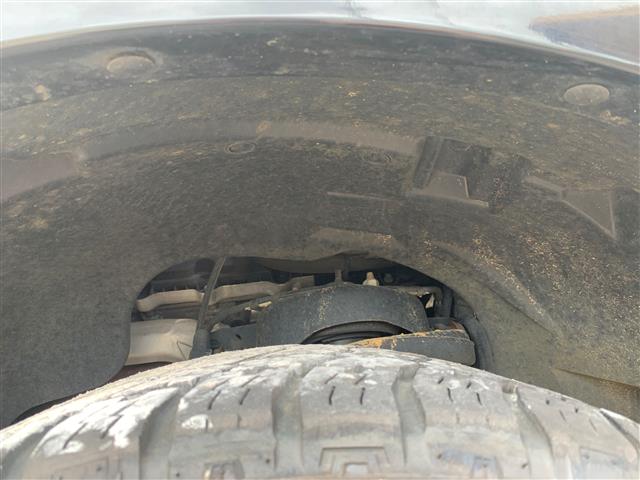
- The rear liners are a fabric/felt material for sound deadening, while the fronts are hard plastic; this is a normal design feature.
- When buying used, the integrity of the plastic mounting holes is the most important inspection point, as broken tabs will prevent a secure fit.
Key Compatibility Warnings for 2020-2026 Model Y Fender Liners

Before purchasing a fender liner for your Tesla Model Y, you must be aware of two major vehicle variations that affect fitment. Mistaking these can result in buying a part that does not fit correctly.
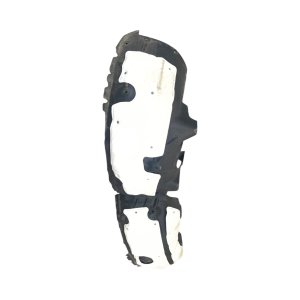
Warning: Tesla has used two different chassis designs for the Model Y. One version features a standard battery pack, while newer models produced in Austin, Texas, may have a "structural" battery pack with 4680 cells. The official Tesla Service Manual lists separate replacement procedures for fender liners on vehicles with and without the structural pack. While part numbers in catalogs often don't make a distinction, the mounting points or shape of the liner may be different. It is critical to visually compare photos of the replacement part with your original liner to ensure an exact match.
Warning: The 2025-2026 Model Y refresh, codenamed 'Juniper', features updated body styling. Fender liners and associated trim pieces from the earlier 2020-2024 models are not expected to be compatible with the Juniper refresh. Always verify the production date of your vehicle before ordering.
Symptoms of a Damaged or Missing Fender Liner

Failure of a fender liner is usually obvious, but the symptoms can range from minor annoyances to issues that can cause further damage.
- Scraping or Flapping Noises: The most common symptom is noise. A loose or torn liner can flap at high speeds or scrape against the tire, especially during turns.
- Visible Damage: You may see the liner hanging down, cracked, or have sections missing entirely. This often happens after hitting road debris or large puddles at speed.
- Increased Road Noise: The rear liners, in particular, are made of a sound-deadening fabric. If this material is torn or missing, you may notice an increase in road and tire noise from that corner of the vehicle.
- Debris Accumulation: A compromised liner will allow mud, water, and salt to be thrown into areas like the suspension, steering components, and behind the headlights, potentially leading to corrosion or damage over time.
Known Issues, Recalls, and TSBs

While there are no formal recalls or Technical Service Bulletins (TSBs) specifically for the fender liners on the 2020-2026 Tesla Model Y, owners have reported several common issues.
- Material Differences: Many owners note that the front wheel wells have hard plastic liners, while the rears use a carpet-like fabric material. This is an intentional design choice by Tesla to improve Noise, Vibration, and Harshness (NVH) in the cabin. 🎬 See how to install a front fender noise reduction kit.
- Loose Fasteners: Some vehicles have been delivered with loose or missing push-clips or bolts securing the liners, causing them to fit poorly or come loose.
- Fabric Liner Condition: The rear fabric liners can become torn or loose. While designed for automotive use, inspecting a used one for tears, excessive grime, or waterlogging is important.
- Related Recalls: The Model Y has had recalls for other components in this area, such as a front suspension lateral link (NHTSA Campaign 21V835000), but these do not directly involve the fender liner itself.
Buying a Used OEM Fender Liner: What to Inspect
A used OEM fender liner is an excellent, cost-effective choice, as it guarantees the factory fit and material quality. Aftermarket liners, especially cheap ones, may use thinner plastic or have slight fitment issues. Here’s what to look for when inspecting a used part.
1. Physical Inspection Checklist
- Check All Mounting Points: This is the most critical inspection. Carefully check every hole where a push-clip or bolt goes. Ensure there are no cracks, tears, or elongated holes. A single broken mounting point can cause the entire liner to be loose.
- Look for Cracks and Tears: Inspect the entire surface, especially around the edges and curves, for any cracks in the plastic or tears in the fabric. A small crack can quickly grow once exposed to wind and vibration.
- Assess Fabric Liner Condition (Rear): For rear liners, check the condition of the felt-like material. It should be free of major tears. While some dirt is normal, avoid liners that feel excessively heavy, which could indicate they are saturated with water and dirt.
- No Previous Repairs: Look for signs of plastic welding or adhesives, which indicate a previous repair that may not hold up.
2. Verifying the Correct Part Number
Always match the part number to your vehicle's needs. Left (Driver Side) and Right (Passenger Side) liners are not interchangeable. The front and rear are also unique.
| Position | Known OEM Part Numbers | Material |
|---|---|---|
| Front Left (Driver Side) | 1492613-00-A, 1492613-00-C | Plastic |
| Front Right (Passenger Side) | 1492614-00-A, 1492614-00-C, 1492614-00-D, 1744362-00-A | Plastic |
| Rear Left (Driver Side) | 1492615-00-A, 1492615-00-B | Fabric / Felt |
| Rear Right (Passenger Side) | 1492616-00-A, 1492616-00-B | Fabric / Felt |
Cost Comparison: New vs. Used vs. Aftermarket
The cost of replacing a Tesla Model Y fender liner can vary significantly based on the source of the part.
| Part Source | Estimated Cost (Per Liner) | Notes |
|---|---|---|
| New OEM | $120 - $180 | Purchased from a Tesla Service Center. Prices can vary. |
| New Aftermarket | $60 - $135 | Price depends on quality. CAPA-certified parts are on the higher end but ensure better fitment. |
| Used OEM | $50 - $100 | A cost-effective option that retains factory fit and quality. Price depends on condition and seller. |
| Shop Labor | $75 - $150 | Most shops will charge for 0.5 to 1.0 hour of labor for the replacement. |
Fender Liner Replacement Overview
Replacing a fender liner on a Model Y is a straightforward job that is feasible for a DIY mechanic with basic tools. The process generally takes 30-60 minutes per wheel.
- Tools Required: Jack and jack stands, lug nut wrench, 10mm socket, and a clip removal tool or flathead screwdriver.
- Process: The vehicle is safely lifted and the wheel is removed. A series of plastic push-clips and several 10mm bolts are removed from around the perimeter of the liner. The old liner is then maneuvered out of the wheel well, and the new one is installed by reversing the process. 🎬 Watch this step-by-step guide to replacing your fender liner.
Pro Tip: It's a good idea to purchase a small bag of replacement push-clips before you start. The original clips can become brittle and often break during removal.
🎬 Learn how to install mud flaps while your liner is accessible.Frequently Asked Questions (FAQ)
Do I really need to replace a cracked fender liner?
Yes. Even a small crack can allow water and corrosive salt to spray onto sensitive suspension and electrical components. A loose or cracked liner can also detach at speed, creating a road hazard and potentially damaging your tire or fender.
Does the fender liner need to be painted?
No. Fender liners are made of black plastic or fabric and are not painted. They are ready to install as-is. This is different from the fender itself, which is the painted metal body panel.
Are the left and right side fender liners the same?
No. The left (driver side) and right (passenger side) liners are mirror images of each other and are not interchangeable.
Why are the rear liners made of fabric?
The soft, carpet-like material used for the rear liners is for sound absorption. It helps to reduce road, tire, and water spray noise from entering the passenger cabin, which is more noticeable in a quiet electric vehicle.
How do I know if my Model Y has a structural battery pack?
Generally, Model Ys built at Giga Texas are more likely to have the structural pack with 4680 cells. You can sometimes find this information on your vehicle's specification sheet or by contacting a Tesla Service Center with your VIN. However, the most reliable method for ensuring part compatibility is to visually compare your existing liner to the replacement part before purchase.
Helpful Videos
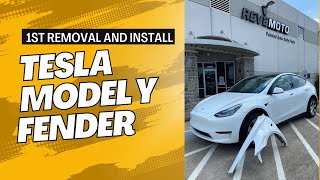
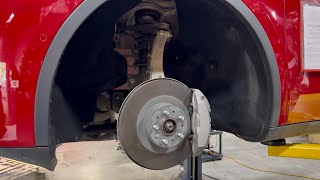
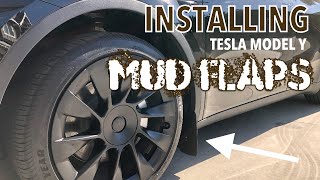
Technical Specifications
OEM Part Numbers: 1492613-00-A 1492613-00-C 1492614-00-A 1492614-00-C 1492614-00-D 1744362-00-A 1492615-00-A 1492615-00-B 1492616-00-A 1492616-00-B
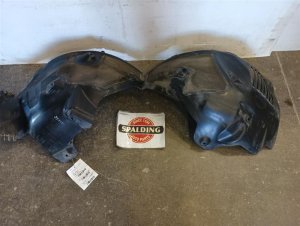
Front liners are made of hard plastic. Rear liners are made of a sound-absorbing fabric/felt material.
We Have This Part in Stock


The information in this article is provided for general reference and educational purposes only. Vehicle specifications, procedures, and part compatibility can vary by production date, trim level, and region. Always consult your vehicle's factory service manual and verify part numbers before purchasing or performing repairs. Safety-critical components such as airbags, seat belts, and braking systems should be installed by a qualified professional.
- Tesla Model Y:
- 🎬 Helpful Videos
- 🛍️ Shop This Part
- Key Compatibility Warnings for 2020-2026 Model Y Fender Liners
- Symptoms of a Damaged or Missing Fender Liner
- Known Issues, Recalls, and TSBs
- Buying a Used OEM Fender Liner: What to Inspect
- 1. Physical Inspection Checklist
- 2. Verifying the Correct Part Number
- Cost Comparison: New vs. Used vs. Aftermarket
- Fender Liner Replacement Overview
- Frequently Asked Questions (FAQ)
- 🎟️ Get 5% Off