

Tesla Model 3 Fender Liner Guide (2017-2026): Noise, Damage, and Highland vs. Pre-Refresh Fitment
This definitive guide explains the critical differences between fender liners for the 2017-2023 Model 3 and the 2024+ 'Highland' refresh, helping you avoid common purchasing mistakes.
- The fender liner for 2017-2023 Model 3s is NOT compatible with the 2024+ 'Highland' refresh, and vice-versa. This is the most critical compatibility check.
- When buying a used liner, the most important inspection points are the mounting holes and tabs; if they are broken, the part will not fit securely.
- On 2017-2023 models, the rear liners often have a sound-absorbing fabric material while the fronts are hard plastic; this is normal.
- Driving with a damaged liner can expose the chassis and wiring to corrosive road salt and debris, leading to more expensive repairs.
Critical Compatibility Warning: 2017-2023 vs. 2024+ 'Highland' Models

Warning: Fender liners are NOT interchangeable between the two generations of the Tesla Model 3. You must buy the correct part for your specific year range.
The single most important factor when purchasing a replacement fender liner for a Tesla Model 3 is the vehicle's year. The body style changed significantly with the 2024 model year refresh, known as the 'Highland'.
- 2017-2023 Models: These vehicles use a specific set of fender liners. The front liners are typically hard plastic, while the rear liners often feature a fabric-like, sound-absorbing material.
- 2024-2026 'Highland' Models: These vehicles have a completely different body shape and require different fender liners. Parts for the earlier generation will NOT fit.
Always verify the model year of your car and the part's intended fitment before purchasing. Using the wrong liner will result in misalignment, gaps, and an inability to secure the part correctly.
Symptoms of a Failing Fender Liner

A damaged fender liner is usually easy to spot or hear. Because it's located right next to a spinning tire, any issues often become obvious quickly.
1. Scraping, Rubbing, or Flapping Noises
This is the most common symptom. A loose or broken liner can contact the tire, especially during turns or at highway speeds. You might hear a scraping sound as the plastic drags on the tire tread or a loud flapping noise as the wind catches a loose piece.
2. Visible Damage or Sagging
A quick visual inspection can reveal cracks, holes, or tears. This damage often occurs from hitting curbs, large potholes, or road debris. On 2017-2023 models, it's common to see the liner sagging, sometimes due to missing clips or after driving in heavy snow or rain that weighs down the material.
3. Debris and Water Buildup
If you notice an unusual amount of mud, leaves, or dirt accumulating on components behind the wheel, it could mean your liner is cracked or missing a section. In cold climates, this can be a significant issue, as packed snow and ice can build up in the wheel well, potentially damaging the liner or other components.
Buying a Used Tesla Model 3 Fender Liner: What to Look For

Purchasing a used OEM (Original Equipment Manufacturer) fender liner is a smart way to save money, but a thorough inspection is key. A quality used part will fit perfectly and perform just like a new one.
Physical Inspection Checklist
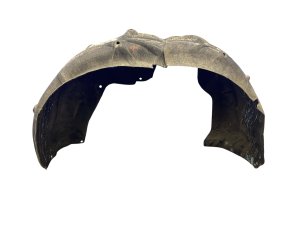
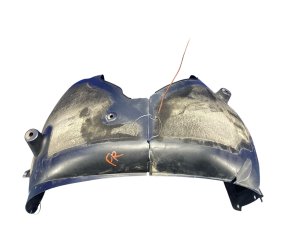
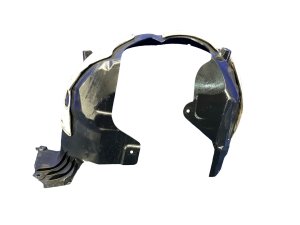
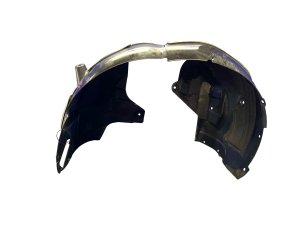
- Check All Mounting Points: This is the most critical step. Carefully examine every hole and tab where the liner attaches to the fender and chassis. If any are cracked, elongated, or broken, the liner will not sit securely and will likely rattle or rub.
- Look for Cracks and Tears: Inspect the entire surface, especially along the curved edges and corners, for any cracks or holes. Even small damage can allow water and debris through, defeating the purpose of the part.
- Assess Material Condition: For 2017-2023 rear liners, check the condition of the fabric-like sound-absorbing material. Ensure it is not rotted, excessively frayed, or saturated with oil. For all liners, the plastic should be flexible, not brittle or sun-faded.
- Verify the Part Number: If possible, double-check that the OEM part number on the liner matches what's required for your vehicle's year and position (e.g., Front Left, Rear Right).
OEM vs. Aftermarket Quality
For a part like a fender liner, choosing a used OEM component is often a better choice than a new, cheap aftermarket one. OEM parts are guaranteed to fit precisely using the factory mounting points without modification. Aftermarket liners can be less expensive but are often made from thinner material and may not align perfectly, leading to gaps, rubbing, or installation headaches. Given the liner's role in noise reduction on a quiet EV, the superior material and fit of an OEM part are significant advantages.
Known Issues and Problems

- Snow and Ice Buildup: In winter conditions, snow and ice can pack into the wheel wells, putting stress on the liners and potentially causing them to crack or break. This is a common issue for cars in cold climates.
- Water and Sand Retention (2017-2023): Some early Model 3s have been noted to collect significant amounts of sand and water behind the liners and in underbody panels, which can add weight and stress to the components. This is often due to a lack of sufficient drainage holes. 🎬 Watch: How to clean debris to prevent panel damage.
- Missing Factory Clips (2017-2023): Many owners have reported their cars being delivered from the factory with missing push clips in the fender wells. This can cause the liner to be loose from the start, leading to rattles or sagging over time.
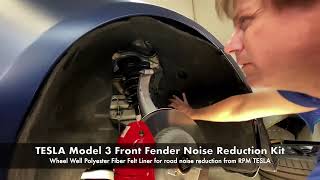
- Material Differences (2017-2023): On many pre-Highland models, the rear wheel wells have a liner with a soft, sound-absorbing fabric layer, while the front liners are just hard plastic. This can lead to more noticeable road noise from the front wheels. Aftermarket kits are available to add sound-deadening material to the front liners. 🎬 See how to install a front fender noise reduction kit.
Pro Tip: Fender liners are not painted and do not require color matching. They are typically a standard black plastic or felt material. Therefore, you do not need to worry about finding a paint code for this part.
Replacement Overview
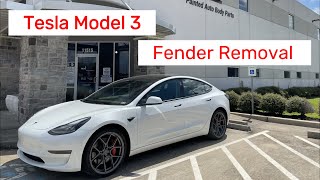
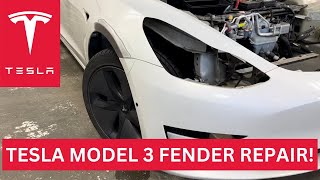
Replacing a fender liner is a straightforward job that most DIYers can handle. The process generally involves jacking up the car, removing the wheel, and then removing a series of plastic push clips and small bolts (usually 10mm) that hold the liner in place. The new liner is then installed in the reverse order. 🎬 Watch: Step-by-step guide to removing and installing a front liner. Turning the steering wheel can provide access without removing the wheel, but removal makes the job much easier.
Cost of Replacement
| Item | Estimated Cost |
|---|---|
| New OEM Fender Liner | $90 - $150 |
| New Aftermarket Fender Liner | $40 - $80 |
| Used OEM Fender Liner | $50 - $100 |
| Shop Labor | $100 - $180 |
Note: Prices are estimates as of early 2026 and can vary based on location, supplier, and which specific liner (front/rear/left/right) is needed.
Frequently Asked Questions (FAQ)
Do I need to replace my fender liner if it only has a small crack?
While a small crack might not seem urgent, it compromises the liner's ability to protect your car's chassis and components from water and road salt, which can lead to rust and more expensive repairs down the line. It's best to replace it sooner rather than later.
Why is my Tesla making a rubbing noise after I hit a pothole?
A common cause of rubbing noises after an impact is a dislodged or broken fender liner. The impact can easily break a plastic clip or crack the liner itself, causing it to sag and make contact with the tire. A quick visual inspection should confirm if the liner is the source.
Are the front and rear fender liners made of the same material?
Not always, especially on 2017-2023 models. The front liners are typically hard plastic, while the rear liners often have a carpet-like or felt material for better sound deadening. This is a deliberate design choice by Tesla.
Can I install a fender liner myself?
Yes, this is considered an easy DIY job for most people with basic tools. The process involves removing the wheel and a series of clips and small bolts. There are many online videos demonstrating the process for the Model 3.
Official Recalls and Service Bulletins
As of early 2026, there are no official recalls or Technical Service Bulletins (TSBs) from Tesla or the NHTSA that specifically relate to the fender liners on the Model 3. Other recalls for the Model 3 have addressed issues like rearview cameras, seat belts, and software, but not the liners themselves.
Part Number Guide
The following are some of the known OEM part numbers. Always confirm fitment for your specific vehicle's VIN, year, and position before ordering.
| Part Number | Description | Fitment |
|---|---|---|
| 1081581-00-C / D / E | Front Fender Liner, Left (Driver) | 2017-2023 |
| 1081582-00-D / E | Front Fender Liner, Right (Passenger) | 2017-2023 |
| 1694553-00-E | Fender Liner | 2024+ Highland |
| 1769309-00-B | Fender Liner | 2024+ Highland |
| 1769310-00-B | Fender Liner | 2024+ Highland |
Note: Part numbers can be superseded over time. The letters at the end often indicate revisions.
Helpful Videos
Technical Specifications
OEM Part Numbers: 1081581-00-C 1081581-00-D 1081581-00-E 1081582-00-D 1081582-00-E 1081583-00-D 108158300B 1081584-00-B 1081585-00-C 1694553-00 1769309-00-B 1769310-00-B
Material is typically PP/PET plastic (Polypropylene/Polyethylene terephthalate) or a composite with a fabric/felt layer for sound absorption.
We Have This Part in Stock



The information in this article is provided for general reference and educational purposes only. Vehicle specifications, procedures, and part compatibility can vary by production date, trim level, and region. Always consult your vehicle's factory service manual and verify part numbers before purchasing or performing repairs. Safety-critical components such as airbags, seat belts, and braking systems should be installed by a qualified professional.
- Tesla Model 3:
- 🎬 Helpful Videos
- 🛍️ Shop This Part
- Critical Compatibility Warning: 2017-2023 vs. 2024+ 'Highland' Models
- Symptoms of a Failing Fender Liner
- 1. Scraping, Rubbing, or Flapping Noises
- 2. Visible Damage or Sagging
- 3. Debris and Water Buildup
- Buying a Used Tesla Model 3 Fender Liner: What to Look For
- Physical Inspection Checklist
- OEM vs. Aftermarket Quality
- Known Issues and Problems
- Replacement Overview
- Cost of Replacement
- Frequently Asked Questions (FAQ)
- Official Recalls and Service Bulletins
- Part Number Guide
- 🎟️ Get 5% Off