

1997-2006 Jeep Wrangler TJ Fender: Rust, Replacement, and Buying Used
This guide covers the common failure points, replacement costs, and what to inspect when buying a used OEM fender for your 1997-2006 Jeep Wrangler TJ.
- The primary failure mode for 1997-2006 TJ fenders is rust, especially under the fender where a support brace traps moisture.
- All fenders from 1997-2006 TJ/LJ models are interchangeable, but you must verify the fender flare mounting hole pattern matches your trim level.
- A used OEM fender is often superior in fit and quality to a new aftermarket one, but must be carefully inspected for hidden rust and prior repairs.
- Replacement is a simple bolt-on process, but be prepared for bolts to break due to rust, which may require drilling and installing new nutserts.
Symptoms of a Failing Fender

Unlike mechanical parts, a fender's failure is almost always visual. For the 1997-2006 Jeep Wrangler TJ, the primary enemy is rust, followed by physical damage from impacts.
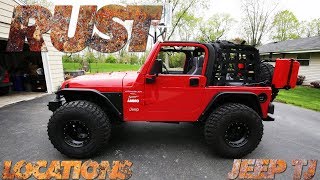
- Visible Rust or Bubbling Paint: This is the most common symptom. Rust often starts from the inside out. A notorious spot is underneath the fender where a structural support brace is welded. This area traps moisture and debris, causing rust that eventually bubbles the paint on the top surface. Also, check along the bottom edges and around the mounting holes for the fender flare.
- Dents and Dings: Wranglers are often used off-road, making dents from rocks, trees, and other obstacles common. Parking lot dings and minor collision damage are also frequent failure types.
- Cracks or Tears: Severe impacts or advanced rust can cause the steel to crack or tear, compromising the fender's structural integrity.
- Poor Panel Gaps: If the gap between the fender and the hood, grille, or door is uneven, it can indicate that the fender itself is bent or that there is underlying damage to the vehicle's tub or frame mounts.
Pro Tip: When you see rust on a TJ fender, it's a strong indicator to check other common rust areas on the vehicle, such as the frame, body mounts, and floor pans. Fender rust is often just the tip of the iceberg.
🎬 See common rust spots to check on your Jeep TJ.Buying a Used 1997-2006 Wrangler Fender: What to Check

A used OEM fender is often a better choice than a new aftermarket one due to superior fit and metal quality. However, careful inspection is crucial before buying.
Step 1: Inspect for Rust Thoroughly
The biggest issue with used TJ fenders is rust. Don't just glance at the top painted surface. Flip the fender over and inspect the underside, especially the channel where the support brace is located. Bring a small screwdriver or pick to gently poke at suspicious-looking areas; if it feels soft or goes through, the metal is compromised. Pay close attention to the mounting points and the lip where the fender flare attaches.
Step 2: Check for Previous Repairs
Look for signs of body filler (Bondo). Run your hand along the surface to feel for waves or imperfections. A small magnet can also help; it won't stick well to areas with thick filler. Check the underside for signs of repair work, like mismatched paint, overspray, or cracked filler. A poorly repaired fender will likely fail again quickly.
Step 3: Verify Mounting Points and Straightness
Ensure all mounting holes are intact and not cracked, bent, or heavily rusted. A fender with damaged mounting points will never align correctly. Place the fender on a flat surface to check if it's twisted or bent from a past collision.
Step 4: Why Used OEM is Often Better Than New Aftermarket
Original Equipment Manufacturer (OEM) fenders are made with thicker gauge steel and stamped in high-quality presses, ensuring a perfect fit. Many aftermarket fenders are made from thinner steel, use different hole placements, and may require significant modification to align properly. While a new aftermarket fender is rust-free, its potential for poor fitment can lead to more installation headaches and costs than cleaning up a solid used OEM part.
Known Issues, Recalls, and Service Bulletins
There are no recalls or Technical Service Bulletins (TSBs) issued by Jeep or the NHTSA that specifically target the front fenders of the 1997-2006 Wrangler. Any safety recalls for this vehicle pertain to other components like airbags or the fuel system. The primary known issue is the propensity for rust, which is a maintenance and environmental factor rather than a manufacturing defect.
Replacement Cost Breakdown

The cost to replace a fender can vary widely based on the part source and whether you do the labor yourself. Painting is a significant additional cost.
| Part/Service | Estimated Cost Range |
|---|---|
| New OEM (Mopar) | $1500 - $2300+ (unpainted) |
| New Aftermarket (e.g., Crown, Techpro) | $80 - $300 (primed) |
| Used OEM (Salvage Yard) | $100 - $250 (condition varies) |
| Shop Labor (Installation) | $150 - $300 |
| Shop Labor (Paint to Match) | $300 - $600+ |
Installation Guide
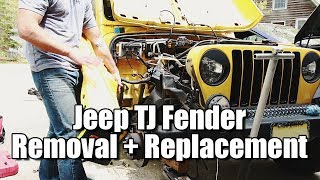
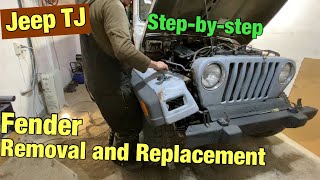
Replacing a fender on a TJ Wrangler is a straightforward, bolt-off, bolt-on process. It is considered one of the easier body panels to replace.
- Difficulty: 2 out of 5
- Estimated Time: 1.5 - 3 hours
- Tools Needed: Ratchet with extensions, 1/2-inch and 13mm sockets, trim tool, and rust penetrant (like PB Blaster).
Step-by-Step Process:
- Preparation: On the passenger side, disconnect and remove the battery and battery tray. Remove the airbox. This provides access to the fender bolts inside the engine bay.
- Disconnect Lights & Flares: Unplug the side marker light. If you are reusing your fender flare, unbolt it from the old fender.
- Unbolt the Fender: Remove the bolts securing the fender to the grille, the inner fender well, and the main body tub. There are typically 3-4 bolts along the top edge inside the engine bay, and several more at the front and rear.
- Use Rust Penetrant: These bolts are notoriously prone to rusting and breaking. Spray all bolts with a quality rust penetrant and let them soak. If a bolt feels tight, work it back and forth to avoid breaking it.
- Remove Fender: Once all bolts are removed, the fender can be lifted off the vehicle.
- Installation: Transfer any components like the hood latch or wiring clips to the new fender. Position the new fender and loosely install all bolts. Once everything is aligned, tighten the bolts securely. Reinstall the flare, light, and any components removed from the engine bay.
Warning: It is very common for the lower fender bolts or battery tray bolts to break off due to rust. Be prepared to potentially drill out broken bolts and install new nutserts (rivet nuts).
Technical Specifications and Part Numbers
All fenders for the 1997-2006 Jeep Wrangler TJ and the longer-wheelbase Unlimited (LJ) models are interchangeable. The only difference to watch for is the presence and pattern of holes for fender flares, which varied by trim level (SE, Sport, Sahara, Rubicon).
| Side | OEM Part Numbers (Superseding) | Common Aftermarket / Partslink |
|---|---|---|
| Driver Side (Left) | 5003951AD, 5003951AK, 5003951AL | CH1241225 (Note: Some sources incorrectly list CH1240225 for the left side) |
| Passenger Side (Right) | 5003950AD, 5003950AL | CH1240225 |
Frequently Asked Questions (FAQ)
Will a fender from a 2005 Wrangler fit my 1997?
Yes. The front fenders are identical and interchangeable across all model years of the Jeep Wrangler TJ generation, from 1997 to 2006. This includes the standard TJ and the long-wheelbase Unlimited (LJ) models.
Do I need to paint a used or new fender?
Yes. New aftermarket fenders typically come with a black primer (e-coat) that is not designed for long-term protection and must be painted. A used fender, even if it's the correct color, will likely have scratches or fading and should be repainted to ensure a perfect match and proper protection.
What is the difference between a Sahara, Sport, and Rubicon fender?
The base steel fender is the same for all trim levels. The only potential difference is the set of pre-drilled holes for the plastic fender flares. Sahara and Rubicon models had wider flares than the Sport or SE models, which may affect the hole pattern. Always verify the flare mounting holes match your needs or be prepared to drill new ones.
Can I just repair my rusted fender?
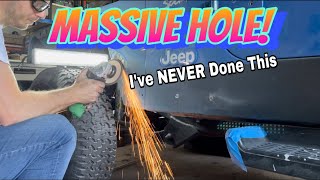
It depends on the severity. Minor surface rust can be sanded down, treated with a rust converter, primed, and painted. However, if the rust has created holes (rot), a proper repair involves cutting out the bad metal and welding in a new patch panel. For many, replacing the entire fender with a rust-free used part is easier and more cost-effective than extensive metal fabrication.
Helpful Videos
![Jeep Wrangler Common Rust Spots: TJ [Watch BEFORE You Buy]](https://img.youtube.com/vi/beYqI6Ti20w/mqdefault.jpg)
Technical Specifications
OEM Part Numbers: 5003950AD 5003950AL 5003951AD 5003951AK 5003951AL
Material: Steel. Finish: Primed (E-Coat) from factory or aftermarket. Compatibility: Fits all 1997-2006 Jeep Wrangler (TJ) and Wrangler Unlimited (LJ) models.

The information in this article is provided for general reference and educational purposes only. Vehicle specifications, procedures, and part compatibility can vary by production date, trim level, and region. Always consult your vehicle's factory service manual and verify part numbers before purchasing or performing repairs. Safety-critical components such as airbags, seat belts, and braking systems should be installed by a qualified professional.
- Jeep Wrangler:
- 🎬 Helpful Videos
- Symptoms of a Failing Fender
- Buying a Used 1997-2006 Wrangler Fender: What to Check
- Step 1: Inspect for Rust Thoroughly
- Step 2: Check for Previous Repairs
- Step 3: Verify Mounting Points and Straightness
- Step 4: Why Used OEM is Often Better Than New Aftermarket
- Known Issues, Recalls, and Service Bulletins
- Replacement Cost Breakdown
- Installation Guide
- Step-by-Step Process:
- Technical Specifications and Part Numbers
- Frequently Asked Questions (FAQ)
- 🎟️ Get 5% Off