

2017-2020 Maserati Levante Fender Insulator: Diagnosing and Quieting Road Noise
This guide covers the symptoms of a damaged fender insulator, how to inspect a used part, and what's involved in replacing it to restore your Levante's quiet ride.
- The fender insulator's only job is to reduce road and tire noise; a damaged one is not a safety concern.
- Failure is always physical damage (tears, sagging) which leads to more cabin noise or rattling sounds.
- No direct-fit aftermarket insulators exist, making a good used OEM part the most cost-effective solution.
- Before buying, you must verify the correct part number with a dealer using your VIN, as online parts catalogs can be inconsistent.
What Does the Fender Insulator Do?
The fender insulator is a key component in the vehicle's Noise, Vibration, and Harshness (NVH) reduction system. Positioned in the empty space within the front fender, it acts as a sound barrier. As tires roll over the pavement and wind rushes around the wheel wells, a significant amount of noise is created. The insulator's porous, absorbent material traps these sound waves, much like acoustic panels in a recording studio. Without it, the fender can act like a drum, amplifying road and tire noise and transmitting it into the vehicle's interior.
Symptoms of a Failing Fender Insulator
Since the fender insulator is not a mechanical or electrical part, it doesn't 'fail' in a way that triggers a warning light. Failure is always due to physical damage or degradation. The symptoms are entirely related to noise and visual inspection.
- Increased Road and Tire Noise: The most common symptom is a noticeable increase in noise coming from the front wheel well area. Sounds of small stones, water spray, and general tire roar will be more pronounced than usual.
- Rattling or Flapping Sounds: If the insulator becomes detached from its mounting points, it can flap against the inside of the fender or the fender liner, especially at higher speeds. This can create a persistent rattling or buzzing sound.
- Visible Damage: Often, a damaged insulator is discovered during other maintenance, like a brake job or tire rotation. You might see that the material is torn, sagging, crumbling, or missing entirely. It can also become saturated with oil or other fluids from a nearby leak, which degrades the material and can cause odors.
Pro Tip: A damaged or missing fender insulator is often the result of a minor collision, curb impact, or driving through deep snow or water, which can tear the material or break its clips.
Known Issues, TSBs, and Recalls
As of mid-2024, there are no specific recalls or Technical Service Bulletins (TSBs) issued by Maserati or the NHTSA for the fender insulators on the 2017-2020 Maserati Levante. While numerous recalls exist for this vehicle concerning engine software and electrical systems, none address issues with body panels, rattles from the fender area, or the insulators themselves.
Buying a Used 2017-2020 Levante Fender Insulator: What to Check
Since new aftermarket replacements are not available, a quality used OEM part is the best value. These parts are often sold by auto recyclers still attached to the fender liner or the complete fender. Here’s what to inspect before buying:
- Check for Tears and Holes: Carefully inspect the entire surface of the insulator. Reject any part with significant tears, holes, or crumbling sections, as this will compromise its sound-deadening ability.
- Verify Mounting Points: The insulator is held in place by plastic clips or tabs that are part of the insulator itself. Ensure these mounting points are intact and not broken off. A part with broken tabs will not install securely and is likely to rattle.
- Look for Fluid Saturation: Check for dark, oily stains or a strong smell of oil, coolant, or other automotive fluids. A fluid-soaked insulator is less effective, can degrade over time, and may introduce unpleasant odors into your cabin.
- Assess Brittleness: The material should still have some flexibility. If it feels overly dry, stiff, or brittle, it may have been exposed to extreme heat or chemicals and could fall apart during installation or shortly after.
Warning: Due to inconsistent parts catalog information, it is critical to verify the correct part number for your vehicle's specific VIN with a Maserati dealer before purchasing. This ensures you get the correct part for the driver or passenger side.
Installation Overview & Difficulty
Replacing the fender insulator is a relatively simple process that can be done by a DIY mechanic with basic tools. The key is removing the fender liner to gain access.
- Difficulty: 2 out of 5
- Estimated Time: 0.5 - 1 hour per side
- Tools Needed: Jack and jack stands, lug wrench, socket set, trim clip removal tool or flathead screwdriver.
Basic Steps:
- Safely lift and support the front of the vehicle and remove the wheel.
- Locate and remove the screws and plastic clips holding the fender liner (the plastic wheel well) in place.
- Carefully pull the fender liner back to expose the cavity inside the fender.
- The old fender insulator will be visible. Unclip it from the fender body.
- Position the new insulator and press its mounting clips into the corresponding holes in the fender.
- Reinstall the fender liner, clips, and screws, followed by the wheel. Torque the lug nuts to factory specification.
Cost Comparison: New vs. Used
Pricing for this part can be difficult to pin down, as it's not a common replacement item. The following are estimates to help guide your purchase.
| Part Type | Estimated Cost | Notes |
|---|---|---|
| New OEM | $100 - $200 | Must be purchased from a Maserati dealer. Prices are often not listed online and may require an inquiry. |
| Used OEM | $40 - $80 | If found separately. Often sold with the fender liner or fender assembly. Availability is low. |
| New Aftermarket | Not Available | Direct-fit aftermarket insulators for this model are not currently manufactured. Generic sound-deadening kits are an alternative but require custom cutting and fitting. |
| Shop Labor | $120 - $220 | Based on ~1 hour of labor at typical independent shop rates. Dealer rates may be higher. |
Frequently Asked Questions (FAQ)
Is a fender insulator a required part?
No, it is not a safety or structural component. Driving without one will not harm the vehicle, but it will result in a noticeably louder ride from increased road and tire noise.
What is the difference between the fender liner and the fender insulator?
The fender liner (also called a splash shield or wheel well) is the hard plastic or felt-like panel that you can see when you look into the wheel well. Its job is to protect the engine bay and chassis from water, dirt, and debris. The fender insulator is a softer, foam-like pad that sits behind the liner, purely for sound absorption.
Why can't I find a used fender insulator for sale?
This part is rarely damaged on its own and has low demand. Auto recyclers typically do not inventory it separately. It is most often sold as part of a complete used fender assembly or attached to the fender liner. You may need to contact a seller of a used fender or liner and ask if the insulator is included.
Can I repair my damaged insulator or use a generic sound deadener?
Minor tears can sometimes be patched with high-quality tape, but this is a temporary fix. A better alternative is to use a universal, self-adhesive sound-deadening mat (like Dynamat or similar brands). You can remove the old insulator, clean the inside of the fender, and apply the new material. This can be very effective but requires more labor to cut and fit the material properly.
Part Numbers & Technical Specifications
The fender insulators are specific to the driver's (Left Hand) and passenger's (Right Hand) side of the vehicle.
- Known OEM Part Numbers: 670043359, 670043360
Important: Online parts catalogs have shown conflicting information, with one of these numbers occasionally being described as a dashboard part. It is essential to confirm the correct part number for your vehicle's VIN with a Maserati dealership parts department before ordering to ensure you receive the correct side and part type.
Technical Specifications
OEM Part Numbers: 670043359 670043360
Material: Molded fibrous or foam sound-absorbing material.
We Have This Part in Stock
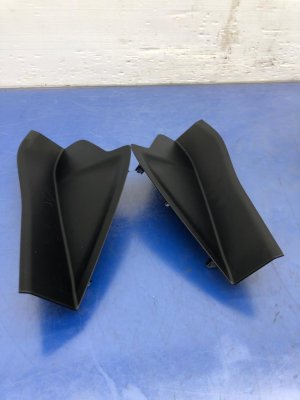

The information in this article is provided for general reference and educational purposes only. Vehicle specifications, procedures, and part compatibility can vary by production date, trim level, and region. Always consult your vehicle's factory service manual and verify part numbers before purchasing or performing repairs. Safety-critical components such as airbags, seat belts, and braking systems should be installed by a qualified professional.
- Maserati Levante:
- 🛍️ Shop This Part
- What Does the Fender Insulator Do?
- Symptoms of a Failing Fender Insulator
- Known Issues, TSBs, and Recalls
- Buying a Used 2017-2020 Levante Fender Insulator: What to Check
- Installation Overview & Difficulty
- Cost Comparison: New vs. Used
- Frequently Asked Questions (FAQ)
- Part Numbers & Technical Specifications
- 🎟️ Get 5% Off