

2021-2023 Hyundai Santa Fe Fender: Korea vs. USA-Built Fitment Guide
This guide covers the critical differences between fenders for US and Korean-made Santa Fe models and how to choose the right used part for your vehicle.
- The most critical factor is the vehicle's manufacturing location; fenders for USA-built (VIN starts with '5') and Korea-built (VIN starts with 'K') models are not interchangeable.
- A used OEM fender generally offers a better fit than a new aftermarket part, but must be inspected for hidden damage and previous repairs.
- While the main fender panel is similar between gasoline and hybrid models, mounting points for liners and accessories may differ, so matching powertrains is recommended.
- Replacement is a feasible DIY project for those with moderate experience, but achieving perfect panel gaps requires patience and care.
Symptoms of a Damaged Fender
Unlike mechanical parts, fender failure is almost always the result of physical damage. Symptoms are purely visual and can range from minor cosmetic flaws to serious structural issues.
- Visible Dents, Dings, and Creases: The most common symptom is damage from collisions, parking lot incidents, or impacts from road debris.
- Scratches, Chipped Paint, and Rust: Scratches that penetrate the clear coat and paint can expose the underlying metal, leading to surface rust. This is especially common around the wheel arch.
- Poor Panel Alignment: A fender that has been impacted may have uneven gaps with the hood, front bumper, or door. This indicates the fender or its mounting points have been bent.
- Tire Rubbing Noises: In cases of severe damage, the fender may be pushed inward and rub against the tire, especially during turns. This is a serious safety concern that should be addressed immediately.
Known Issues, Recalls, and Service Bulletins
As of this writing, there are no major recalls or Technical Service Bulletins (TSBs) issued by Hyundai or the National Highway Traffic Safety Administration (NHTSA) that specifically concern fender defects for the 2021-2023 Santa Fe. Most owner complaints are related to standard road damage.
However, several recalls exist for this generation of Santa Fe that involve nearby components:
- Tow Hitch Harness Recall: NHTSA Campaign 23V181000 addresses an issue where the tow hitch wiring module can short circuit, posing a fire risk. Owners are advised to park outside until the repair is completed.
- Seat Belt Pretensioner Recall: NHTSA Campaign 22V-816 notes that front seat belt pretensioners could deploy abnormally in a crash on certain 2021-2022 Hybrid and 2022-2023 Plug-In Hybrid models.
While these recalls do not directly affect the fender, they are important for owners to be aware of.
CRITICAL: Korea-Built vs. USA-Built Models
The most significant issue when replacing a fender on a 2021-2023 Santa Fe is the vehicle's country of origin. Hyundai manufactured this generation of Santa Fe in both Montgomery, Alabama (USA) and Ulsan, Korea. The fenders for vehicles from these two plants are NOT interchangeable.
Before purchasing a replacement fender, you must verify your vehicle's manufacturing location by checking the Vehicle Identification Number (VIN):
- If the first character of your VIN is a '5', your Santa Fe was built in the USA.
- If the first character of your VIN is a 'K', your Santa Fe was built in Korea.
You can find the VIN on the driver's side of the dashboard (visible through the windshield) or on the sticker inside the driver's door jamb. Ordering a fender from a donor vehicle with a different country of origin will result in fitment issues.
Buyer's Guide: What to Check When Buying a Used 2021-2023 Santa Fe Fender
A used Original Equipment Manufacturer (OEM) fender is often a better choice than a new aftermarket part because it guarantees factory-grade material, fit, and finish. However, careful inspection is key.
1. Verify Manufacturing Location
This is the most important step. Ask for the VIN of the vehicle the fender came from and confirm the first digit ('5' for USA, 'K' for Korea) matches your own vehicle's VIN. Do not purchase the part without this verification.
2. Inspect for Hidden Damage and Previous Repairs
Look at the fender from all angles in good light. Run your hand along the surface to feel for waves or ripples that might indicate a past repair. Check the backside for signs of hammer marks or filler material (often called Bondo) that has squeezed through. A small magnet can help detect areas with thick body filler, as it won't stick as strongly.
3. Examine Paint and Clear Coat
If you are trying to find a color-matched part, inspect the paint for deep scratches, fading, or clear coat peeling. Keep in mind that even a perfect color match may appear slightly different due to sun exposure on your vehicle. Be prepared to have the fender professionally painted to match your car perfectly.
4. Check All Mounting Points
Carefully inspect all the bolt holes and bracket mounting locations. Ensure none are cracked, bent, or elongated from a previous impact. Damaged mounting points will make proper alignment impossible.
5. Gas vs. Hybrid/PHEV Models
While the main fender stamping is generally the same across powertrains, there can be minor differences in the mounting holes for fender liners or small accessory brackets. For example, part number 66320-S1000 is often specified for Hybrid and PHEV models, while 66320-S2000 is for gasoline and some hybrid models. When possible, match the part from a donor vehicle with the same powertrain as yours to ensure all related components transfer over correctly.
Replacement Overview and Difficulty
- Difficulty Rating: 3 out of 5
- Estimated Time: 2-3 hours
- DIY Feasible: Yes, for those with moderate mechanical experience.
Replacing a fender is a bolt-on procedure, but it requires patience and attention to detail. The general steps involve:
- Partially removing the front bumper cover to access fender bolts.
- Removing the headlight assembly. 🎬 Watch this step-by-step video on removing the fender and headlight
- Removing the fender liner (wheel well splash shield).
- Unbolting the old fender from the chassis at the top, front (near the bumper), and rear (near the door hinge).
- Carefully installing the new fender, leaving the bolts slightly loose at first.
- Adjusting the fender to achieve even panel gaps with the hood, door, and bumper cover before tightening all bolts.
- Reinstalling the headlight, bumper cover, and fender liner.
Pro Tip: Use painter's tape along the edges of the door and hood to prevent scratching the paint during removal and installation of the fender.
Cost Comparison: New vs. Used Santa Fe Fender
Prices can vary based on location, condition, and supplier. The following is an estimate of what you can expect to pay for the part itself and for professional installation.
| Part Type | Estimated Cost (Part Only) |
|---|---|
| New OEM | $650 - $1,100 |
| New Aftermarket (CAPA Certified) | $120 - $250 |
| Used OEM | $250 - $500 |
| Shop Labor (Install & Paint) | $400 - $800+ |
OEM Part Numbers
These are the primary OEM part numbers for the 2021-2023 Hyundai Santa Fe. Always verify the part number and VIN of the donor vehicle before purchasing.
- 66310-S2000: Left (Driver Side) Fender
- 66320-S2000: Right (Passenger Side) Fender
- 66320-S1000: Right (Passenger Side) Fender, often specified for Hybrid/PHEV models
Note: The initial part number provided, 66321-S2000, appears to be a superseded or incorrect number in some catalogs, often replaced by 66320-S1000 or related to older models.
Frequently Asked Questions (FAQ)
How do I know for sure if my Santa Fe was made in Korea or the USA?
Check the first digit of your 17-digit VIN. A '5' means it was assembled in the USA, and a 'K' means it was assembled in South Korea. You can find the VIN on a plate on the driver's side dashboard or on the sticker in the driver's door jamb.
Will a fender from a hybrid model fit my gasoline model?
While the main fender panel is likely identical, the mounting points for the plastic fender liner and other small components might differ. It is always best to source a fender from a vehicle with the same powertrain to avoid compatibility issues with these related parts.
Is it hard to replace a fender myself?
For someone with basic tools and mechanical experience, it is a manageable DIY job. The biggest challenge is not the unbolting and bolting, but carefully aligning the new fender to ensure even panel gaps with the hood and door. This step requires patience.
Why is a used OEM fender often better than a new aftermarket one?
Used OEM fenders are made from the same tooling and materials as your vehicle's original parts, ensuring a precise fit. While new aftermarket fenders are cheaper, they can sometimes have minor differences in shape, leading to alignment problems, uneven panel gaps, and a less-than-perfect finish.
Helpful Videos
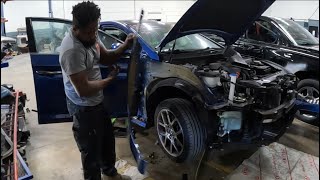
Technical Specifications
OEM Part Numbers: 66310-S2000 (Left/Driver Side) 66320-S2000 (Right/Passenger Side) 66320-S1000 (Right/Passenger Side, often for Hybrid/PHEV)
Material: Steel

The information in this article is provided for general reference and educational purposes only. Vehicle specifications, procedures, and part compatibility can vary by production date, trim level, and region. Always consult your vehicle's factory service manual and verify part numbers before purchasing or performing repairs. Safety-critical components such as airbags, seat belts, and braking systems should be installed by a qualified professional.
- Hyundai Santa Fe:
- 🎬 Helpful Videos
- Symptoms of a Damaged Fender
- Known Issues, Recalls, and Service Bulletins
- Buyer's Guide: What to Check When Buying a Used 2021-2023 Santa Fe Fender
- 1. Verify Manufacturing Location
- 2. Inspect for Hidden Damage and Previous Repairs
- 3. Examine Paint and Clear Coat
- 4. Check All Mounting Points
- 5. Gas vs. Hybrid/PHEV Models
- Replacement Overview and Difficulty
- Cost Comparison: New vs. Used Santa Fe Fender
- OEM Part Numbers
- Frequently Asked Questions (FAQ)
- 🎟️ Get 5% Off