

2023-2025 GMC Canyon Fender: Avoiding Colorado Parts and Trim Mismatches
Your complete guide to finding the right used OEM fender, checking for hidden damage, and understanding replacement costs for the third-generation Canyon.
- GMC Canyon and Chevrolet Colorado fenders for 2023-2025 are NOT interchangeable due to different headlight and grille designs.
- Verify the side marker light cutout on a used fender, as it can vary between trim levels like Elevation, AT4, and Denali.
- Always test-fit a replacement fender before painting to ensure correct panel gaps and alignment with the hood and doors.
- A used OEM fender generally provides better fitment than a new aftermarket part, which can save money on labor for prep and installation.
Symptoms of a Damaged Fender

Since a fender is a body panel, signs of failure are almost always visual. Damage typically comes from collisions, parking lot incidents, or impacts from road debris.
- Visible Dents and Creases: This is the most obvious sign of damage. Minor dings may be repairable by a paintless dent repair (PDR) specialist, but larger creases often require the fender to be replaced.
- Cracked or Peeling Paint: A sign of a direct impact or a poor previous repair. Once the paint is compromised, the underlying steel is exposed to the elements, which can lead to rust.
- Rust and Corrosion: While less common on newer vehicles like the 2023-2025 Canyon, any deep scratch or chip in the paint can allow rust to form. This will appear as bubbling paint or reddish-brown spots.
- Poor Panel Gaps: If the gap between the fender and the hood, door, or bumper is uneven, it can indicate that the fender itself is bent or that there is underlying structural damage to its mounting points.
Known Issues, Recalls, and Service Bulletins

As of mid-2024, there are no recalls or widespread technical service bulletins (TSBs) specifically for the fenders on the 2023-2025 GMC Canyon. Most recalls for this generation of truck relate to software, seat belts, or wheel hub bolts. However, it's always a good practice to check for the latest recall information using your vehicle's VIN on the NHTSA website.
Compatibility Warning: The most significant issue for buyers is part compatibility. Fenders for the GMC Canyon are not interchangeable with those from the Chevrolet Colorado of the same years, despite the trucks sharing a platform. The headlight shape, grille integration, and fender flare mounting points are different.
Buying a Used 2023-2025 Canyon Fender: What to Check

Purchasing a used OEM fender is an excellent way to save money while getting a part with perfect factory fitment. However, careful inspection is key.
1. Confirm Vehicle and Trim Level
- Canyon vs. Colorado: Reconfirm the part is from a GMC Canyon, not a Chevrolet Colorado. They look similar but will not align with your bumper and headlights.
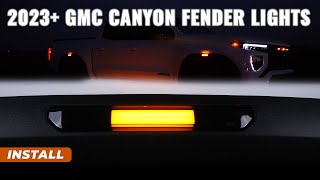
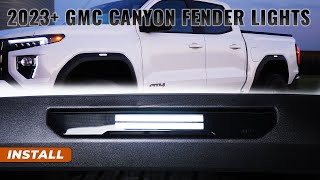
- Side Marker Light Cutout: Different Canyon trims (Elevation, AT4, Denali) may have different side marker lights or reflectors. 🎬 See how to install custom running and sequential fender lights. Inspect the cutout on the used fender and compare it to your original part to ensure your existing light assembly will fit.
- Fender Flare Holes: All trims come with fender flares, but the mounting points could differ. Ensure the used fender has the correct pre-drilled holes for your truck's specific flare style.
2. Inspect for Hidden Damage
- Check the Backside: Flip the fender over. Look for ripples, cracked paint, or signs of repair that aren't visible from the front. This is where shoddy bodywork is often hidden.
- Look for Body Filler (Bondo): Run a small magnet along the entire surface of the fender. If it fails to stick in certain areas, it indicates the presence of plastic body filler, meaning the fender has been repaired before. A repaired fender is more prone to cracking and is not an ideal purchase.
- Examine Mounting Points: Carefully check all the bolt holes and tabs where the fender attaches to the truck's frame. Any bent, broken, or elongated holes suggest the fender was removed from a vehicle with structural damage, and it may not align correctly on your truck.
Pro Tip: A used OEM fender with minor scratches that needs to be repainted is often a better choice than a new, cheap aftermarket fender. Aftermarket panels frequently have issues with fitment, such as incorrect body lines and misaligned bolt holes, which can significantly increase labor costs for installation and prep work.
Replacement Cost Comparison

Prices for a single front fender can vary significantly. All used and new unpainted fenders will require professional painting, which adds to the total cost.
| Part Type | Estimated Cost (Part Only) |
|---|---|
| New OEM (Unpainted) | $350 - $500 |
| New Aftermarket (Unpainted) | $250 - $350 |
| Used OEM (Good Condition) | $200 - $400 |
| Shop Labor (Paint & Install) | $400 - $700 |
Note: Labor costs vary by location and shop. Getting a pre-painted fender can sometimes save on local paint costs but may not be a perfect match to your vehicle's weathered paint.
Installation Difficulty and Procedure Overview
- Difficulty: 3 out of 5 (Moderate)
- Estimated Time: 2-3 hours (not including painting)
- DIY Feasible: Yes, for individuals with mechanical experience and the right tools.
Replacing a fender is a bolt-off, bolt-on procedure, but requires patience to achieve proper panel alignment. The fender flares and wheel well liners add extra steps compared to a standard car.
High-Level Steps:
- Remove Fender Flare: Carefully remove the screws (often T15 Torx) and clips holding the fender flare to the fender. Pry it off gently to release the retaining tabs.
- Remove Wheel Well Liner: Remove the numerous screws and clips holding the plastic liner inside the wheel well to gain access to the back of the fender.
- Unbolt the Fender: The fender is typically held on by bolts in several locations: along the top under the hood, at the bottom near the rocker panel, inside the door jamb, and at the front where it meets the bumper and radiator support.
- Disconnect Wiring: Unplug the connector for the side marker light.
- Test Fit New Fender: Loosely bolt the replacement fender in place before painting. Adjust its position to ensure even panel gaps with the hood and door, then tighten the bolts. This step is crucial to confirm fitment.
- Paint and Final Installation: Once fitment is confirmed, the fender can be painted off the truck. After the paint has cured, install it, reconnect the wiring, and reattach the liner and flare.
OEM Part Numbers
The following OEM part numbers are associated with 2023-2025 GMC Canyon front fenders. Always confirm the exact part number with a dealer using your VIN before purchasing.
- 84755322 (Left/Driver Side)
- 84755392 (Right/Passenger Side)
- 84755532
- 84755592 (Right/Passenger Side)
Frequently Asked Questions (FAQ)
Do I have to paint a new or used fender?
Yes. New fenders, both OEM and aftermarket, typically come with a black or gray e-coat or primer. This is not a finished paint layer and must be properly prepped, primed, and painted to match your truck and protect the metal from rust. Used fenders will almost never perfectly match your vehicle's color due to fading and different paint batches, so they also require repainting.
Will a fender from a Chevy Colorado fit my GMC Canyon?
No. While they are built on the same platform, the front-end styling is different. The shape of the fender where it meets the headlight, grille, and bumper is unique to the Canyon and will not align on a Colorado, and vice-versa.
Can I replace just the plastic fender flare?
Yes, the fender flares are separate parts that can be purchased and replaced independently of the steel fender. They are attached with screws and clips. If only your flare is damaged, you do not need to replace the entire fender.
What tools are needed to replace a GMC Canyon fender?
You will need a basic socket set, a set of Torx drivers (especially T15 and T20), a trim removal tool kit to safely pry off clips without scratching paint, and potentially a flathead screwdriver.
Helpful Videos
Technical Specifications
OEM Part Numbers: 84755322 84755392 84755532 84755592
Material: Steel. Finish: Primed/E-coated (unpainted).

The information in this article is provided for general reference and educational purposes only. Vehicle specifications, procedures, and part compatibility can vary by production date, trim level, and region. Always consult your vehicle's factory service manual and verify part numbers before purchasing or performing repairs. Safety-critical components such as airbags, seat belts, and braking systems should be installed by a qualified professional.
- GMC Canyon:
- 🎬 Helpful Videos
- Symptoms of a Damaged Fender
- Known Issues, Recalls, and Service Bulletins
- Buying a Used 2023-2025 Canyon Fender: What to Check
- 1. Confirm Vehicle and Trim Level
- 2. Inspect for Hidden Damage
- Replacement Cost Comparison
- Installation Difficulty and Procedure Overview
- High-Level Steps:
- OEM Part Numbers
- Frequently Asked Questions (FAQ)
- 🎟️ Get 5% Off