

1994-1998 Mustang Fender Guide: Decoding Emblem Holes and Preventing Rust
Learn the key differences between 1994-1995 and 1996-1998 fenders and how to inspect a used one for common rust spots and hidden damage.
- Fenders from 1994-1998 are physically interchangeable, but emblem holes differ between 1994-1995 and 1996-1998 models.
- Thoroughly inspect used fenders for rust, especially on the inner wheel arch lip and the bottom rear corner near the rocker panel.
- Used OEM fenders generally offer better fitment than new aftermarket parts, reducing installation and alignment headaches.
- Professional painting and panel alignment are almost always necessary for a factory-quality result.
Key Differences: 1994-1995 vs. 1996-1998 Fenders

While all fenders from the 1994-1998 (SN95) Mustang generation are physically interchangeable across all trims (V6, GT, and Cobra), there is one crucial difference a buyer must be aware of: the fender emblem mounting holes. This detail can impact your restoration or repair project.
- 1994-1995 Models: These fenders are drilled to accommodate the 'Mustang' script emblem with the running horse.
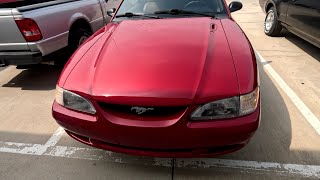
- 1996-1998 Models: For these years, Ford changed the emblem to a vertical tri-bar pony design for V6 and GT models, which required a different set of mounting holes. Cobra models had their own unique emblem and corresponding fender holes. 🎬 Watch: Compare 1994-1995 vs. 1996-1998 Mustang differences
You can physically bolt a 1998 fender onto a 1994 Mustang, but your original emblem will not fit without drilling new holes and filling the old ones. Always verify the model year of the donor vehicle to ensure your emblems will align correctly.
Common Failure Points and Symptoms

As a body panel, fender failure is purely physical. There are no mechanical or electrical symptoms. Look for these common issues:
1. Collision Damage
This is the most common reason for replacement. Damage can range from minor parking lot dings to severe creasing and deformation from an accident. Even minor impacts can crack the paint and lead to future rust.
2. Rust and Corrosion
SN95 Mustangs are known for developing rust in specific areas of the fender. When inspecting a part, pay close attention to:
- Wheel Arch Lip: The inner lip of the wheel well can trap moisture and dirt, causing rust to form from the inside out. Run your fingers along the inside edge to feel for bubbling or flaking.
- Lower Rear Corner: The area where the fender meets the rocker panel (side skirt) is a common collection point for water and road salt, making it highly susceptible to corrosion.
3. Paint Failure
Over time, the factory paint and clear coat can fail. This appears as peeling, fading, or a chalky, oxidized finish. While cosmetic, it requires a full repaint to correct.
Pro Tip: When replacing a fender, it's a good idea to also purchase a new inner fender splash shield. These plastic liners are often brittle and break during removal, and a new one provides better protection for your new part.
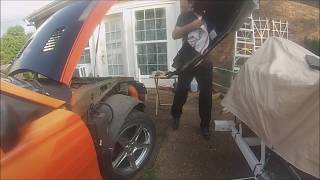
🎬 See how to replace the inner fender linersBuying a Used 1994-1998 Mustang Fender: A Step-by-Step Inspection Guide

A used OEM fender is often a better choice than a new aftermarket one due to superior fitment and metal quality. Aftermarket panels can sometimes require extra work to achieve consistent panel gaps. Here’s what to check before you buy.
- Verify Emblem Holes: First, confirm the fender is from the correct year range (1994-1995 or 1996-1998) for the emblems you plan to use.
- Inspect for Hidden Rust: Carefully check the inner wheel arch and the lower rear corner. Press gently on these areas to check for softness, which indicates advanced rust. What looks like a small bubble on the outside can be a large rust hole on the inside.
- Check for Previous Bodywork: Look for signs of a past repair. Check for a wavy or uneven surface, which could indicate plastic body filler (Bondo). A small magnet can help; it will stick to steel but not to thick areas of filler. Also, look for paint overspray on the back of the fender.
- Examine All Mounting Points: Ensure all bolt holes are intact and not cracked, bent, or elongated from a previous collision. A damaged mounting point will make proper alignment difficult or impossible.
- Assess the Overall Condition: Note any dents, dings, or deep scratches. Minor imperfections can be fixed, but extensive damage may cost more to repair than the fender is worth.
Known Issues, Recalls, and Service Bulletins
There have been no official NHTSA recalls or Technical Service Bulletins (TSBs) issued specifically for the fenders on the 1994-1998 Ford Mustang. The primary known issue, widely documented by owners in forums, is the tendency for rust to form in the lower corners and wheel arches.
Replacement Overview and Difficulty

Replacing a fender on an SN95 Mustang is a bolt-on process. However, it requires careful alignment to ensure even gaps with the hood, door, and bumper. Professional painting is necessary to match your vehicle's color.
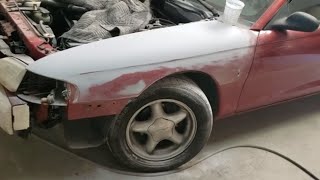
- Key Steps: The process typically involves removing the front wheel, inner fender liner, side marker light, and antenna. The front bumper cover may need to be partially or fully removed to access bolts connecting it to the fender. Bolts are located at the top of the engine bay, inside the door jamb, and at the front behind the bumper/headlight area. 🎬 Watch: Step-by-step SN95 front fender removal video
- Alignment: After loosely installing the new fender, all bolts should be left slightly loose to allow for adjustment. The panel must be shifted to create even gaps with surrounding panels before final tightening.
| Part Type | Estimated Cost (Part Only) | Notes |
|---|---|---|
| New OEM | Discontinued | Original Ford parts are no longer manufactured. Some dealers may have remaining stock, but it is rare. |
| New Aftermarket | $50 - $200 | Prices vary by brand and quality. May require more prep and alignment work for a perfect fit. |
| Used OEM | $100 - $400+ | Price depends heavily on condition, color, and location. Generally offers the best fitment. |
| Shop Labor (Installation) | $150 - $375 | Covers removal of the old fender and installation/alignment of the new one (approx. 1.5-2.5 hours). |
| Shop Labor (Painting) | $250 - $900 | Cost to prep, paint, and clear coat a single fender. Blending into adjacent panels may increase the cost. |
Frequently Asked Questions (FAQ)
Are 1994-1998 Mustang fenders interchangeable?
Yes, all fenders from 1994 to 1998 have the same physical shape and mounting points and will fit any V6, GT, or Cobra model from that period. However, the pre-drilled emblem holes are different for 1994-1995 models versus 1996-1998 models.
Do Cobra fenders fit a GT or V6 Mustang?
Yes, the basic fender shell for a Cobra is the same as a GT or V6 of the same year range. The only difference is the emblem and the corresponding mounting holes. You can install a Cobra fender on a GT, but you will need to use the Cobra emblem or perform bodywork to fill the holes.
Do I have to paint a used fender?
Unless you find a used fender from a vehicle with the exact same paint code that has experienced identical sun exposure and wear, a repaint is necessary for a perfect match. Even with the same paint code, slight variations can be noticeable. Professional body shops often blend the new paint into the adjacent door and hood to ensure a seamless transition.
How can I prevent my replacement fender from rusting?
Before installation, apply a quality automotive undercoating or rust-preventative paint to the entire backside of the fender, especially along the lower edges and wheel arch lip. After installation, regularly clean the wheel wells to remove trapped dirt and salt that can hold moisture against the metal.
Helpful Videos

Technical Specifications
OEM Part Numbers: F4ZZ-16005-A (Right, 1994-1995) F4ZZ-16006-A (Left, 1994-1995) F6ZZ-16005-AA (Right, 1996-1998) F6ZZ-16006-AA (Left, 1996-1998) FO1240168 FO1241169
Material: Stamped Steel. Finish: Black E-Coat (primer).

The information in this article is provided for general reference and educational purposes only. Vehicle specifications, procedures, and part compatibility can vary by production date, trim level, and region. Always consult your vehicle's factory service manual and verify part numbers before purchasing or performing repairs. Safety-critical components such as airbags, seat belts, and braking systems should be installed by a qualified professional.
- Ford Mustang:
- 🎬 Helpful Videos
- Key Differences: 1994-1995 vs. 1996-1998 Fenders
- Common Failure Points and Symptoms
- 1. Collision Damage
- 2. Rust and Corrosion
- 3. Paint Failure
- Buying a Used 1994-1998 Mustang Fender: A Step-by-Step Inspection Guide
- Known Issues, Recalls, and Service Bulletins
- Replacement Overview and Difficulty
- Frequently Asked Questions (FAQ)
- 🎟️ Get 5% Off