

2016-2021 Tesla Model X Wiring Harness Issues: Chafing, Corrosion, and High-Voltage Faults
This definitive guide covers the symptoms, known issues, and critical compatibility checks for the various high-voltage and low-voltage wiring harnesses in the pre-refresh Tesla Model X.
- Compatibility is critical: Harnesses for pre-refresh (2016-early 2021) Model X vehicles are NOT interchangeable with the 'Refresh' models made from mid-2021 onward.
- Replacement is a professional-only job due to the extreme danger of the high-voltage system. Tesla's own guidelines forbid the repair of any high-voltage (orange) cables.
- Look for TSB SB-20-17-004, where the front harness can rub against the control arm on 2017-2019 models, causing damage.
- When buying used, you must match the OEM part number exactly and meticulously inspect all connectors for damage, broken tabs, or corrosion.
What is a Drive Unit or High-Voltage Harness on a Tesla Model X?

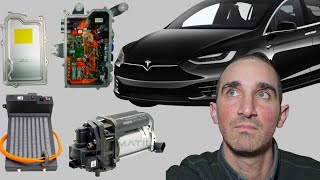
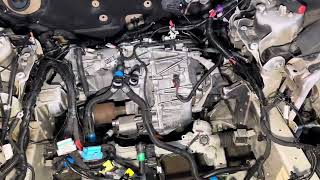
The term 'engine wiring harness' is a carryover from gasoline-powered cars. On a Tesla Model X, the equivalent components are the Drive Unit Harnesses and other High-Voltage (HV) Harnesses. These are thick, orange-colored cables that handle the immense power flowing between the main battery pack, the front and rear electric motors (drive units), and other high-draw components like the cabin heater and A/C compressor. They are the power arteries of the vehicle.
Alongside the HV system, numerous low-voltage harnesses connect the vehicle's computers to everything else: Autopilot cameras, parking sensors, headlights, door controls, and the center touchscreen. Damage to any of these harnesses can cause a variety of frustrating electrical issues.
Symptoms of a Failing Model X Wiring Harness

Wiring harness problems often appear as strange, intermittent electrical 'gremlins' that can be difficult to trace. Because a single harness can connect multiple components, you may see several unrelated symptoms at once.
- Warning Messages on Display: This is the most common sign. You may see alerts like "High voltage issue," "Vehicle may not restart," or "Power reduced." Component-specific errors like "Parking assist unavailable" or camera failures are also common.
- Loss of Power or 'Limp Mode': The vehicle may suddenly reduce acceleration and top speed to protect the high-voltage system.
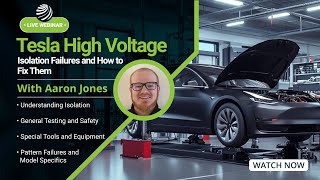
- No-Start or No-Drive Condition: If a critical wire in the high-voltage interlock loop (HVIL) is broken, the main contactors in the battery will not engage 🎬 Watch: Expert breakdown of high voltage isolation failures and fixes, and the vehicle will not enter 'Drive.'
- Intermittent or Dead Components: Lights may flicker, windows may stop working, or sensors may fail randomly. This can be caused by a wire that is broken internally but still makes occasional contact.
- Disabled Features: A single harness failure can have cascading effects. For example, a damaged front harness can disable all Autopilot cameras, cruise control, and even automatic turn signal cancellation.
- Inability to Charge: Damage to the charge port harness or related high-voltage wiring can prevent the vehicle from charging.
Known Issues, TSBs, and Recalls for 2016-2021 Model X

While there are no major recalls specifically for drive unit harnesses on these models, Tesla has issued Technical Service Bulletins (TSBs) for known wiring-related problems.
TSB SB-20-17-004: Main Front Body Harness Chafing
For some 2017-2019 Model X vehicles, the main front body harness was routed in a way that it could rub against the right-hand front upper control arm. This chafing can wear through the wire insulation, leading to short circuits and a host of electrical failures. The official service procedure involves inspecting the harness, repairing any damaged wires, and rerouting it with a new clip to provide proper clearance. This is a critical issue to be aware of, as it can cause seemingly random problems.
Front Door Harness Corrosion
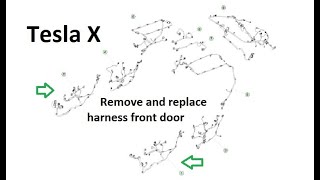
A service bulletin for the 2019 Model X notes that the front door harnesses and drive units (the motors that open the doors) may need replacement due to corrosion from water getting into the connectors. This can cause the self-presenting doors to fail.
🎬 See this walkthrough on replacing the front door harnessRodent Damage
Like many modern vehicles that use soy-based wire insulation, Teslas can be susceptible to rodent damage. Forum users report rats and other animals chewing through harnesses, causing thousands of dollars in damage and disabling multiple vehicle systems at once. This type of damage is often not covered by warranty.
Critical Compatibility Warning: The Tesla Model X received a major interior and electrical overhaul (known as the 'Refresh' or 'Palladium' update) in early 2021. Wiring harnesses from 2016 through early 2021 models are NOT compatible with refreshed 2021 and newer vehicles. The physical connectors, wire lengths, and electrical architecture are completely different. Always verify your vehicle's build date before ordering.
Buying a Used Model X Wiring Harness: What to Check
Due to the high cost of new OEM harnesses and the lack of aftermarket alternatives, a quality used OEM harness is often the most practical solution. A thorough inspection is mandatory.
1. Verify the Part Number is an Exact Match
This is the most important step. Do not rely on visual similarity. The part number is the only guarantee of fitment. For example, part number 2032448-05-C is a rear subframe harness for 2016-2020 models, while 1552584-00-D is a frunk harness for the completely different 2021+ refresh models. Using the wrong harness will not work.
2. Physical Inspection Checklist
Before purchasing, carefully inspect the entire harness:
- Connectors: Check every single plastic connector housing. Look for cracks, broken locking tabs, or signs of melting. These are common failure points.
- Pins and Terminals: Look inside each connector. The metal pins should be straight, clean, and fully seated. Avoid any harness with bent, pushed-out, or corroded (green or white powder) pins.
- Wiring and Sheathing: Inspect the full length of the harness loom. There should be no cuts, scrapes, or sections where wires are exposed. Pay special attention to the orange high-voltage cables; any damage to this sheathing is a major red flag.
- No Cut Wires or Bad Repairs: Never buy a harness with cut wires or amateur-looking repairs (e.g., electrical tape, non-sealed butt connectors). Tesla has very strict rules for harness repair, and improper splices can cause resistance issues or fires.
Cost to Replace a Tesla Model X Wiring Harness
Replacement costs vary widely depending on which harness has failed. A small, accessible harness for a bumper might be relatively inexpensive, while replacing a main body harness is a massive job.
| Part Type | Estimated Cost |
|---|---|
| New OEM (from Tesla) | $400 - $1,500+ |
| New Aftermarket | Not Generally Available |
| Used OEM (Recycled) | $150 - $600 |
| Shop Labor Cost | $600 - $3,000+ |
Labor costs are highly variable. A front harness might take a few hours ($600-$900), while a main body harness can require removing the entire interior and take over 30 hours, pushing labor costs over $3,000. 🎬 Watch: A guide to removing the front main wiring harness Prices are estimates as of early 2026.
Replacement Difficulty: Is This a DIY Job?
Difficulty: 5 out of 5. This is not a DIY-feasible repair.
Warning: Replacing any high-voltage wiring harness is extremely dangerous and should only be performed by trained and certified EV technicians. The high-voltage system carries lethal voltage. It must be properly de-energized using specific procedures and safety equipment before any work can begin. Furthermore, Tesla's service guidelines state that high-voltage circuits are not repairable and require complete harness replacement.
Part Number and Compatibility Guide

This list is not exhaustive. Always verify your specific part number before ordering.
| Part Number | Description | Vehicle Fitment |
|---|---|---|
| 2032448-05-C | Rear Subframe / Chassis Harness | 2016 - Early 2021 Model X |
| 1032433-00-F | Front Bumper Fascia Harness | 2016 - Early 2021 Model X |
| SB-20-17-004 | (TSB) Main Front Body Harness | 2017 - 2019 Model X |
| 1552584-00-C / D | Frunk Base Harness, LHD | 2021+ 'Refresh' Model X ONLY |
Frequently Asked Questions (FAQ)
Can a damaged Tesla wiring harness be repaired?
It depends. Tesla's official service guidelines are very strict: high-voltage (orange) wires cannot be repaired and the entire harness must be replaced. Damage to any wire within 100mm (about 4 inches) of a connector also requires full replacement. Some low-voltage wires in non-critical systems can be spliced by a trained technician using specific tools, but it is a highly specialized job. For a DIYer, repair is not recommended.
My Model X has a 'shudder' under acceleration. Is that a wiring issue?
No, this is a known mechanical issue, not an electrical one. A service bulletin (SB-19-39-001) addresses a vibration or shudder from the front drive unit during hard acceleration on older Model X vehicles. The fix involves replacing the front half-shafts and an updated motor mount. It is not related to the wiring harness.
Will a harness from a 'Plaid' model fit my 'Long Range' model?
Almost certainly not. Even within the same year range, different trim levels often have different features that require unique wiring and connectors. Always match your original part number exactly to ensure compatibility.
What causes high-voltage isolation faults?
An isolation fault means the high-voltage system is detecting a leak of electricity to the vehicle's chassis. This is a major safety issue. It can be caused by a component like the A/C compressor or PTC heater failing internally, or by damage to a high-voltage harness where the orange cable is compromised and touching metal. Diagnosing the exact source requires specialized equipment and is a job for a certified technician.
Helpful Videos
Technical Specifications
OEM Part Numbers: 2032448-05-C 1032433-00-F 1552584-00-C 1552584-00-D
High-voltage harnesses are distinguished by their bright orange outer sheathing. Low-voltage wires are typically rated for 60V and meet ISO 6722 specifications. Tesla service documents strictly prohibit the repair of high-voltage circuits or any wire within 100mm of a connector.
We Have This Part in Stock

The information in this article is provided for general reference and educational purposes only. Vehicle specifications, procedures, and part compatibility can vary by production date, trim level, and region. Always consult your vehicle's factory service manual and verify part numbers before purchasing or performing repairs. Safety-critical components such as airbags, seat belts, and braking systems should be installed by a qualified professional.
- Tesla Model X:
- 🎬 Helpful Videos
- 🛍️ Shop This Part
- What is a Drive Unit or High-Voltage Harness on a Tesla Model X?
- Symptoms of a Failing Model X Wiring Harness
- Known Issues, TSBs, and Recalls for 2016-2021 Model X
- TSB SB-20-17-004: Main Front Body Harness Chafing
- Front Door Harness Corrosion
- Rodent Damage
- Buying a Used Model X Wiring Harness: What to Check
- 1. Verify the Part Number is an Exact Match
- 2. Physical Inspection Checklist
- Cost to Replace a Tesla Model X Wiring Harness
- Replacement Difficulty: Is This a DIY Job?
- Part Number and Compatibility Guide
- Frequently Asked Questions (FAQ)
- 🎟️ Get 5% Off