

2016-2018 Honda Pilot Engine Fuse Box: Solving Electrical Gremlins and Programming Needs
This guide explains the common failures of the engine bay fuse box, why it requires dealer programming, and how to choose the correct used part for your Pilot's specific trim level.
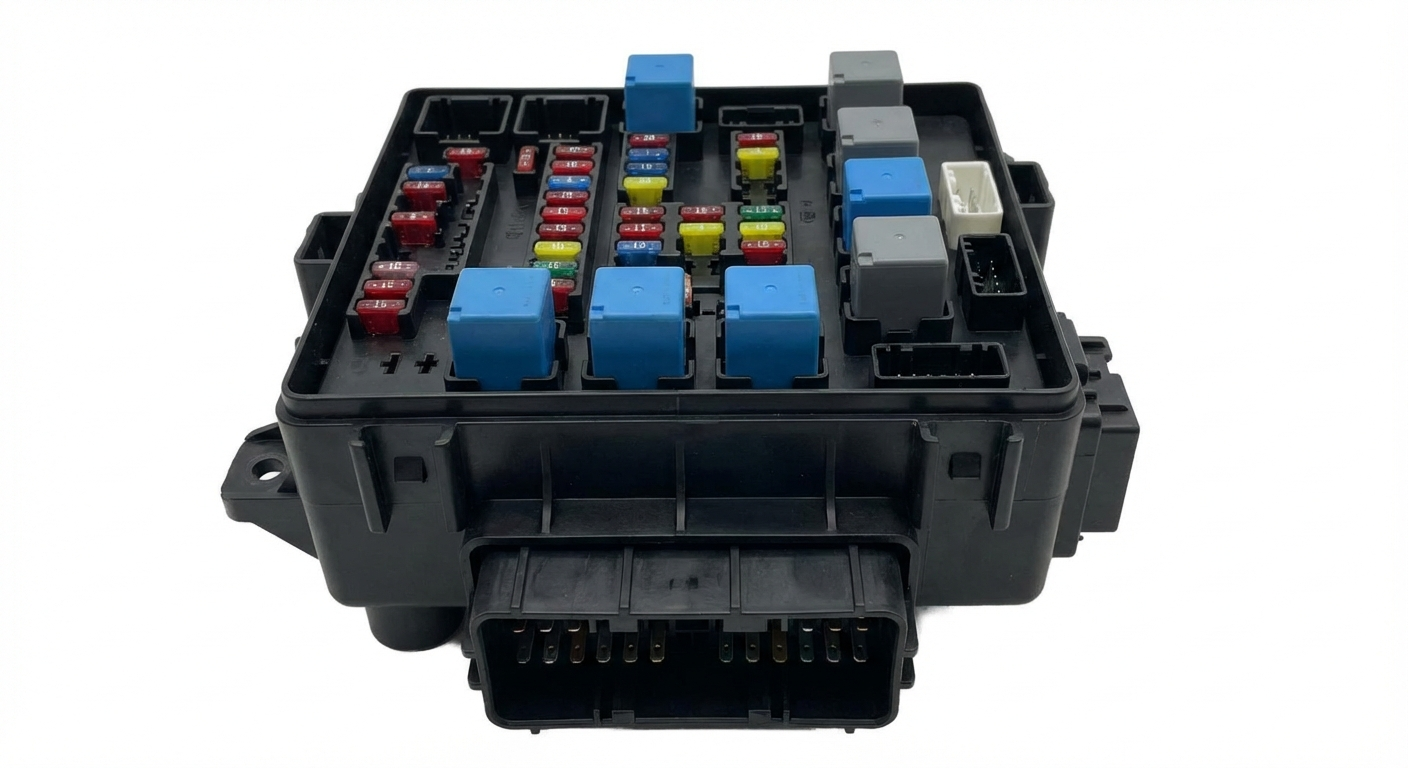
- This part is NOT a simple fuse box; it contains the programmable Multiplex Integrated Control Unit (MICU).
- Replacement is NOT plug-and-play. The vehicle will not start until the replacement unit is programmed to the car by a dealer or a properly equipped independent shop.
- You must match the OEM part number on the side of the box EXACTLY to your vehicle's trim and options (AWD, Navigation, etc.).
- Symptoms often include a dashboard full of random warning lights, intermittent no-start conditions, and parasitic battery drain.
Is This More Than Just a Fuse Box? Yes — Meet the MICU
For the 2016-2018 Honda Pilot, the main fuse box located in the engine compartment is not a simple passive component. It houses the Multiplex Integrated Control Unit (MICU). This means it's an intelligent electronic module responsible for controlling a wide array of vehicle functions. When this junction block fails, it's not just a matter of a single component losing power; it can lead to widespread, confusing electrical issues because the central controller itself is malfunctioning. Understanding that this part has an integrated computer is key to diagnosing it and replacing it correctly.
Known Issues and Electrical Problems in 3rd Gen Pilots
Owners of 2016-2018 Honda Pilots have frequently reported experiencing a dashboard that lights up with multiple, seemingly unrelated warning lights, an issue often called the "Christmas tree" effect. These warnings can include emissions system problems, power steering errors, vehicle stability assist (VSA) faults, and more. While this can be caused by several issues, such as faulty fuel injectors or a weak battery, a failing engine junction block can produce these exact symptoms due to intermittent power delivery or communication errors from the internal MICU. Other reported electrical issues include the alarm going off randomly, lights turning on by themselves, and intermittent no-start conditions, which can also point to a fault within the junction block.
Recall & TSB Information: While there isn't a specific recall for the engine junction block itself, Honda has issued recalls and Technical Service Bulletins (TSBs) for related issues on these models. For example, recall T89 involved a software update for the instrument panel to prevent it from going blank. TSB 20-117 extended the warranty for the keyless start system switch, which can cause a no-start condition and store a B12C5 error code. It's important to rule out these other documented problems before condemning the junction block.
Symptoms of a Failing Engine Junction Block
Because the junction block and MICU control so many systems, a failure can manifest in numerous ways. Look for these common signs:
- Multiple, Random Warning Lights: The most common symptom is a dashboard full of error lights that may come and go.
- Intermittent No-Start or Starting Issues: The vehicle may fail to crank or start, sometimes accompanied by a clicking sound from the dash or a "Keyless Start System Error" message.
- Electrical Features Not Working: You may notice that headlights, wipers, power windows, or the radio work intermittently or not at all.
- Battery Drain: A faulty MICU within the junction block can fail to let the vehicle's electrical systems go to "sleep," causing the battery to drain while the car is parked.
- Engine Stalling: In some cases, a loss of power from the junction block can cause the engine to stall while driving.
CRITICAL: Programming is Required After Installation
You cannot simply swap a used engine junction block into a 2016-2018 Honda Pilot and expect it to work. The integrated MICU is part of the vehicle's immobilizer and security system.
- Why it needs programming: The new (or used) MICU must be registered to the vehicle's computer system and programmed to recognize your specific keys. Failure to do this will result in a no-start condition, with a flashing green key symbol on the dashboard.
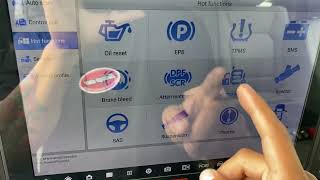
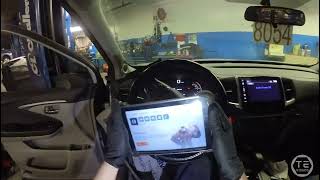
- Who can program it: This procedure requires specialized tools. A Honda dealership using the Honda Diagnostic System (HDS) is the most reliable option. Some advanced independent repair shops with high-end scan tools (like Autel or Thinkcar) or a J2534 pass-thru device may also be able to perform the MICU replacement function. 🎬 Watch: Programming a new MICU with a Thinkcar scanner A locksmith or a shop without this specific software will not be able to complete the job.
Warning: Do not attempt to install a replacement junction block without having a plan for programming. The vehicle will be immobilized and will not start until the programming is completed successfully.
Buying a Used Engine Junction Block: A Buyer's Guide
A used OEM junction block is an excellent, cost-effective alternative to a brand-new unit. However, you must be extremely careful to buy the correct part.
- The #1 Rule: Match Part Numbers EXACTLY. There are many different junction blocks for the 2016-2018 Pilot, depending on trim level (LX, EX, EX-L, Touring, Elite), drivetrain (AWD vs. FWD), and options (like Navigation). The part number is printed on a label on the side of the fuse box. Using a box with the wrong part number can lead to system malfunctions or complete incompatibility. The initial data provided lists several part numbers; for example, 38200-TG7-A21 and 38200-TG7-A22 are fuse box assemblies, while 32100-TG7-A30 and 32100-TG7-A31 are related wiring harnesses. You must match the number on your original fuse box.
- Physical Inspection: When you receive the used part, carefully inspect all plastic housings for cracks or heat damage (melting). Check the electrical pins in every connector port for signs of corrosion (green or white powder), which indicates water damage. A water-damaged unit should not be installed.
- Source and Mileage: Purchase from a reputable seller that offers a warranty. While the junction block itself doesn't have mechanical wear parts, choosing one from a lower-mileage vehicle can be beneficial, as it has experienced fewer heat cycles and less time exposed to the elements.
Replacement Cost Breakdown
The cost to replace the engine junction block can vary significantly based on the part source and labor rates.
| Item | Estimated Cost |
|---|---|
| New OEM Part | $950 - $1,500 |
| New Aftermarket Part | Not commonly available |
| Used OEM Part | $100 - $250 |
| Shop Labor (Installation) | $150 - $250 (approx. 1.5-2.0 hours) |
| Shop Labor (Programming) | $100 - $200 (approx. 0.5-1.0 hour) |
Frequently Asked Questions (FAQ)
Can I just swap the fuse box from another Pilot without programming?
No. The engine bay fuse box contains the MICU, which is tied to the vehicle's immobilizer system. If you install a different unit, it will not recognize your keys, and the engine will not start until it is professionally programmed to your vehicle.
What are the OBD codes for a bad junction block?
A failing junction block may not always set a specific code pointing to itself. Instead, you may see a variety of communication error codes (U-codes) or codes for systems it controls. One specific code mentioned in a TSB for a related starting issue is B12C5 (Engine Start/Stop Switch Failure), which could be part of a larger electrical problem originating in the junction block.
Will a bad engine fuse box drain my battery?
Yes, this is a common symptom. A malfunction in the integrated MICU can prevent the vehicle's various electronic modules from entering sleep mode after the car is turned off, leading to a parasitic draw that drains the battery.
Is the engine junction block the same as the interior fuse box?
No. The 2016-2018 Pilot has at least two main fuse boxes: one in the engine compartment near the battery (the junction block discussed here) and one inside the passenger cabin, typically under the driver's side dashboard. They serve different circuits, and the engine compartment unit is the one that contains the programmable MICU.
🎬 Watch: Locate and identify your Pilot's fuse boxesHelpful Videos


Technical Specifications
OEM Part Numbers: 38200-TG7-A01 38200-TG7-A11 38200-TG7-A21 38200-TG7-A22 38200-TG7-A31 38200-TG7-A41 32100-TG7-A00 32100-TG7-A30 32100-TG7-A31 32100-TG7-A32
The primary component is the under-hood fuse and relay box, which also houses the Multiplex Integrated Control Unit (MICU). It connects to the right-hand engine compartment wiring harness. Part numbers vary based on vehicle trim (LX, EX, EX-L, Touring, Elite) and drivetrain (AWD/FWD).
We Have This Part in Stock

The information in this article is provided for general reference and educational purposes only. Vehicle specifications, procedures, and part compatibility can vary by production date, trim level, and region. Always consult your vehicle's factory service manual and verify part numbers before purchasing or performing repairs. Safety-critical components such as airbags, seat belts, and braking systems should be installed by a qualified professional.
- Honda Pilot:
- 🎬 Helpful Videos
- 🛍️ Shop This Part
- Is This More Than Just a Fuse Box? Yes — Meet the MICU
- Known Issues and Electrical Problems in 3rd Gen Pilots
- Symptoms of a Failing Engine Junction Block
- CRITICAL: Programming is Required After Installation
- Buying a Used Engine Junction Block: A Buyer's Guide
- Replacement Cost Breakdown
- Frequently Asked Questions (FAQ)
- 🎟️ Get 5% Off