

2003 Toyota Tundra 4.7L Engine Harness: Solving Electrical Gremlins and Fitment Traps
Your definitive guide to diagnosing a faulty engine harness on the first-generation Tundra and choosing a reliable used replacement without getting the wrong part.
- Compatibility is critical: This harness only fits 2003 Tundras with the 4.7L V8, 4WD, automatic transmission, and a Regular or Access Cab.
- Rodent damage and heat degradation are the most common causes of failure; inspect any used harness carefully for chewing, brittle loom, and cracked connectors.
- Symptoms often appear as multiple, unrelated electrical problems like stalling, random sensor codes, and no-start conditions.
- A good used OEM harness is the most cost-effective solution, as new OEM parts are expensive or discontinued, and full aftermarket harnesses are not readily available.
Key Compatibility Warnings for the 2003 Tundra Engine Harness
Warning: This is not a one-size-fits-all part. A harness from another Tundra model will likely not work. Before purchasing, you must verify that the harness is from a truck with the exact same configuration:
- Engine: 4.7L V8
- Drivetrain: 4-Wheel Drive (4WD)
- Transmission: Automatic
- Cab Style: Regular Cab or Access Cab ONLY
A harness from a 2WD model will lack the necessary connectors for the 4WD system, and a harness from a Double Cab model will have different lengths and routing, making it incompatible. Always match the part number from your original harness if possible.
Symptoms of a Failing Engine Wire Harness
Harness failures often create baffling electrical issues that can be mistaken for a bad ECU or multiple failed sensors. The symptoms can be intermittent, making diagnosis difficult. Look for these common warning signs:
- Check Engine Light with Multiple Codes: You may see a variety of seemingly unrelated trouble codes for different sensors. This often points to a shared power or ground wire issue within the harness.
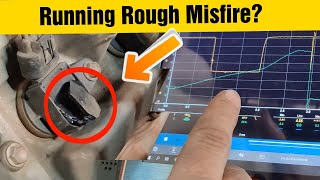
- Engine Stalling or Misfiring: The engine may stall unexpectedly, especially at idle or low speeds. You might also experience random misfires, hesitation, or rough running as wires for injectors or coils lose connection. 🎬 Watch: Diagnosing a rough running Tundra with coil faults
- Intermittent No-Start Condition: The truck may refuse to start one moment and then start perfectly fine the next. This can be caused by a break in a critical wire that makes contact only when the harness is flexed a certain way.
- Bizarre Electrical Behavior: Owners have reported strange issues like the engine refusing to shut off even with the key removed. Flickering lights or a battery that drains overnight can also be signs of a short in the harness.
- Visible Damage: This is the most definitive symptom. Look for melted plastic conduit, brittle or cracked insulation, green corrosion inside connectors, or evidence of rodents chewing on the wires.
Known Issues & Causes of Failure
While the 2003 Tundra is a reliable truck, its engine harness is susceptible to failure from a few key causes after two decades of service.
Rodent Damage
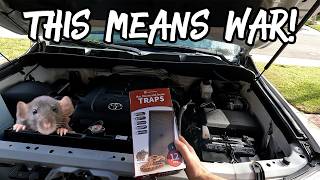
This is one of the most common and destructive issues. Rodents are attracted to the warmth of the engine bay and will chew on wire insulation, causing shorts and open circuits. In some cases, the damage is so extensive that dealers may quote astronomical repair costs, sometimes over $5,000, making a used harness a much more practical solution. Always inspect a potential vehicle purchase for signs of rodent nests or chewed wires.
🎬 See this video on how rodents can wreck your Tundra's wiringHeat and Vibration
Years of engine heat cycles can make the plastic loom and wire insulation brittle and fragile. The insulation can crack or flake off, exposing the copper wire to moisture and potential shorts. Vibration can also cause the harness to rub against engine brackets or the firewall, eventually chafing through the protective loom and into the wires themselves.
Connector Failure
The plastic locking tabs on connectors become brittle with age and can easily break during other repairs. This leads to a poor connection that can vibrate loose. Additionally, moisture can get past old, hardened connector seals, causing the metal pins inside to corrode and fail.
Pro Tip: When diagnosing electrical issues, perform a "wiggle test." With the engine idling, carefully wiggle different sections of the engine harness. If you can make the symptom appear or disappear, you've likely found the location of the internal break or short.
Buying a Used 2003 Tundra Engine Harness: A Buyer's Guide
A high-quality, inspected used OEM harness is often a better choice than a new aftermarket one (which are rare and often low quality) and is significantly cheaper than a new OEM unit. Here’s what to look for to ensure you get a good part.
Physical Inspection Checklist:
- All Connectors Intact: Carefully inspect every single plastic connector. Ensure none are cracked, shattered, or missing. Pay close attention to the small locking tabs; they must be present and functional to ensure a secure connection.
- No Cut Wires or Bad Repairs: Look for the tell-tale signs of a previous problem. Avoid any harness that has wires cut and left hanging. Be wary of repairs made with excessive electrical tape or non-weatherproof butt connectors. A clean, un-tampered harness is always the best choice.
- Flexible Conduit: Squeeze the black plastic conduit or loom that bundles the wires. It should still have some flexibility. If it's rock-hard and crumbles when you touch it, the harness has suffered significant heat damage and the wires inside are likely just as brittle.
- Check for Rodent Evidence: Look closely for any signs of chewing on the wires or loom. What looks like a small nick could be a sign of more extensive damage hidden elsewhere in the bundle.
- Verify the Part Number Tag: Find the small white tag on the harness and match the part number to your original if possible. The primary numbers are 82121-34321, 82121-34380, and 82121-34410. You may also see 82121-34410F.
Replacement Overview & Difficulty
Replacing the engine wire harness is a time-consuming and meticulous job, but it is feasible for an experienced DIY mechanic. It does not require highly specialized tools, but patience and organization are critical.
- Difficulty Rating: 4 out of 5
- Estimated Time: 6-10 hours
- DIY Feasible: Yes, for advanced DIYers.
The basic process involves disconnecting the battery, removing the air intake assembly for access, and then methodically unplugging every sensor and actuator connected to the harness. You will need to unbolt several ground wires and carefully feed the main harness branch through the firewall. The key to success is labeling every single connector as you remove it and taking numerous photos from different angles to ensure you can route the new harness correctly and plug everything back in its proper place.
Cost Comparison for a 2003 Tundra Engine Harness
| Part Type | Estimated Cost |
|---|---|
| New OEM | $1,000 - $1,500+ (if available) |
| New Aftermarket | Not commonly available |
| Used OEM | $150 - $400 |
| Shop Labor | $700 - $1,200+ |
OEM Part Numbers
The following are verified OEM part numbers for the 2003 Toyota Tundra 4.7L 4WD AT (Regular/Access Cab) engine wire harness. Parts may supersede over time. Always verify fitment with the vehicle's VIN.
- 82121-34321
- 82121-34380 (often listed as discontinued)
- 82121-34410
- 82121-34410F
Note: Some databases may incorrectly show Ford-style part numbers (e.g., 4F1T-10849-AM). These are not correct for a Toyota Tundra and should be ignored.
Frequently Asked Questions (FAQ)
Can I repair my old harness instead of replacing it?
For a single, clearly identifiable broken wire, a professional repair using solder and heat-shrink tubing can be effective. However, if the harness has widespread issues like brittle insulation from heat, multiple chafe points, or extensive rodent damage, replacement is the only reliable long-term solution. Patching a failing harness often leads to chasing one problem after another.
🎬 Watch: Why replacing the entire harness isn't always necessaryWill a harness from a Toyota Sequoia work?
No. While the 4.7L V8 was shared with the Sequoia, the engine harness is different due to the different body, firewall layout, and component locations. You must use a harness specifically from a 2003 Tundra with the correct cab, engine, and drivetrain configuration.
Is any special programming required after installing a new harness?
No, the harness itself does not require programming. However, after disconnecting the battery for an extended period, the ECU's learned memory will be reset. It is good practice to use an OBD-II scanner to clear any stored fault codes. The truck may idle unusually for a short time as the computer relearns the engine's characteristics.
What is the most common cause of harness failure on these trucks?
After two decades, the most common causes are environmental. Heat and age make the plastic and insulation brittle, while rodents are frequently responsible for chewing through wires, causing shorts and breaks.
Helpful Videos
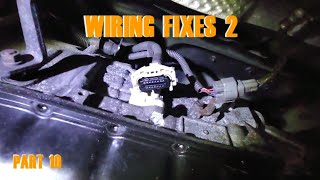
Technical Specifications
OEM Part Numbers: 82121-34321 82121-34380 82121-34410 82121-34410F
Designed for 12V vehicle electrical systems. Connects to all engine management sensors, fuel injectors, ignition coils, and the main ECU for the 4.7L 2UZ-FE engine.
We Have This Part in Stock


The information in this article is provided for general reference and educational purposes only. Vehicle specifications, procedures, and part compatibility can vary by production date, trim level, and region. Always consult your vehicle's factory service manual and verify part numbers before purchasing or performing repairs. Safety-critical components such as airbags, seat belts, and braking systems should be installed by a qualified professional.
- Toyota Tundra:
- 🎬 Helpful Videos
- 🛍️ Shop This Part
- Key Compatibility Warnings for the 2003 Tundra Engine Harness
- Symptoms of a Failing Engine Wire Harness
- Known Issues & Causes of Failure
- Rodent Damage
- Heat and Vibration
- Connector Failure
- Buying a Used 2003 Tundra Engine Harness: A Buyer's Guide
- Physical Inspection Checklist:
- Replacement Overview & Difficulty
- Cost Comparison for a 2003 Tundra Engine Harness
- OEM Part Numbers
- Frequently Asked Questions (FAQ)
- 🎟️ Get 5% Off