

2023 Subaru Legacy Engine Wire Harness: A Guide to Part Numbers and Compatibility
This guide covers the critical details for diagnosing and replacing the engine wire harness on a 2023 Subaru Legacy, with a focus on part number verification and common issues.
- Compatibility is critical: The 2023 Legacy uses different harnesses for the 2.5L vs. 2.4L Turbo engines and for models with and without the Smart Key (push-button start) system.
- The only way to guarantee the correct part is to match the OEM part number (e.g., 81403AN09A for 2.5L) from the tag on your original harness.
- When buying a used harness, meticulously inspect every connector for cracks or damage and check for any signs of melting, brittleness, or rodent activity.
- Replacement is a highly complex job (5/5 difficulty) and is not recommended for novice mechanics due to the extensive number of connections and precise routing required.
Symptoms of a Failing 2023 Legacy Engine Harness
Engine wire harness failures can be tricky to diagnose because they often mimic other problems. The symptoms can be intermittent and may appear unrelated at first. Here are the most common signs that your harness may be failing:
- Check Engine Light with Multiple Unrelated Codes: One of the most telling signs is a Check Engine Light accompanied by a variety of diagnostic trouble codes (DTCs) that don't point to a single component failure. This suggests a communication breakdown, which often originates in the harness.
- Engine Stalling or Misfiring: If wires that control the fuel injectors or ignition coils are damaged, the engine may misfire, run rough, or stall unexpectedly. This can be especially dangerous if it happens while driving.
- Difficulty Starting the Engine: A damaged harness can prevent the starter, fuel pump, or ECU from receiving the power or signals they need to start the car. You might experience a no-crank or a crank-no-start condition.
- Flickering Dashboard Lights or Erratic Gauges: Wires shorting within the harness can cause strange electrical behavior, such as flickering lights or gauges that suddenly drop to zero.
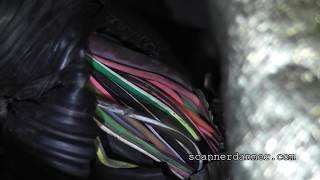
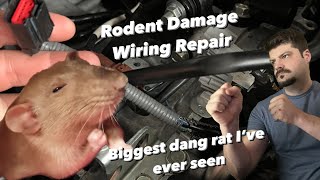
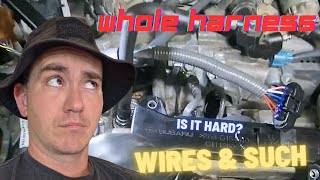
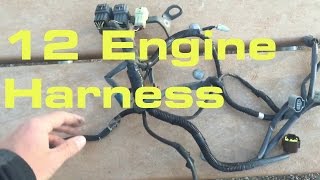
- Visible Damage: A visual inspection is often the best 🎬 Watch: How to visually locate a wiring harness short diagnostic tool. Look for melted plastic conduit, frayed or chewed wires (a common sign of rodent damage 🎬 See: Repairing Subaru wiring harness rodent damage), cracked connectors, or areas where the harness has been rubbing against a hot or sharp engine component.
Known Issues, Recalls, and Service Bulletins
While the 2023 Legacy is a relatively new model, it's included in some broader Subaru service actions and recalls that are important for owners to be aware of.
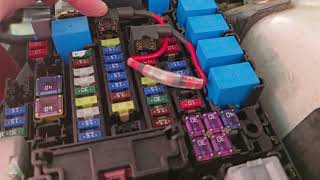
- Parasitic Battery Drain: A class-action lawsuit alleges that certain 2021-2023 Legacy models, among others, may have an electrical system defect causing parasitic battery drain. The issue is described as one or more control modules failing to enter a low-power "sleep state" after the car is turned off, leading to a dead battery. 🎬 Watch: How to fix a Subaru DCM parasitic battery drain While not a direct harness failure, this highlights the sensitivity of the vehicle's electrical system.
- Inhibitor Switch Failure Recall (NHTSA ID: 23V399000): Some 2021-2023 Legacy vehicles were recalled because an insufficient weld on the inhibitor switch could allow water entry, causing it to fail. This could prevent the reverse lights and rearview camera from working.
- Driveshaft Bolts Recall (NHTSA ID: 23V653000): Certain 2023 Legacy models were recalled for center support bolts on the driveshaft that could loosen and potentially disconnect.
- ECM Reprogramming TSB (09-112-23): Subaru issued a technical service bulletin for 2023-2024 Legacy models with the 2.5L engine to address several DTCs (P0016, P0017, P0018, P0019, P0087) by reprogramming the ECM. The diagnostic procedure for this TSB includes inspecting the engine harness for damage.
Pro Tip: Always check for open recalls on your specific vehicle by entering your VIN on the NHTSA website or contacting a Subaru dealer. Recall repairs are performed free of charge.
Compatibility: The Most Important Check
Ordering the correct harness is critical, as there are multiple versions for the 2023 Legacy. Installing the wrong one will result in system malfunctions or a car that won't start.
Engine: 2.5L Only
The primary OEM part number, 81403AN09A, is specified for models equipped with the 2.5L 4-cylinder engine. A different harness is used for the 2.4L Turbo engine (part number 24020-AH31A). Do not attempt to interchange them.
Smart Key vs. Standard Key
For the 2023 model year, Subaru used different engine harnesses for vehicles with a Smart Key system (push-button start) and those with a traditional turn-key ignition. The Smart Key system requires different wiring and antenna connections to detect the key fob's presence for starting the engine and unlocking the doors. This is a critical distinction.
Warning: The only 100% reliable way to ensure you get the correct harness is to find the part number on your original harness. It is typically located on a white tag wrapped around one of the main branches of the harness.
Buying a Used 2023 Legacy Engine Harness: A Buyer's Guide
A used OEM harness from a low-mileage vehicle can be an excellent value, offering factory quality at a significant discount. However, careful inspection is mandatory before purchasing.
Physical Inspection Checklist
- Check Every Connector: Carefully inspect every single plug and connector. Look for cracks, broken locking tabs, or bent pins. A single damaged connector can make the entire harness useless.
- Look for Melted or Scorched Areas: Pay close attention to areas that would be near the exhaust manifold or other hot components. Any sign of melting, scorching, or heat damage is a major red flag.
- Inspect for Cut or Spliced Wires: Never buy a harness that has been cut or has amateur repairs made with electrical tape. Factory splices are sealed and secure; anything else indicates a problem.
- Bend the Wires: Gently bend a few sections of the harness. The wiring should be flexible. If the outer sheathing is brittle or cracks when bent, the harness has likely been subjected to extreme heat and will not last.
- Confirm No Rodent Damage: Look for chewed wires or evidence of nesting material. Rodents are a primary cause of harness failure, and the damage is often widespread.
- Verify the Part Number Tag: Ensure the white part number tag is present, legible, and matches the part number you need (e.g., 81403AN09A).
Replacement Overview & Difficulty
Replacing an engine wire harness is a complex and time-consuming job, best left to experienced technicians or very skilled DIY mechanics.
- Difficulty: 5 out of 5
- Estimated Time: 5-8 hours
- General Steps: The process involves disconnecting the battery, removing the air intake system and other components for access, and methodically unplugging dozens of connectors from every sensor and actuator on the engine. The harness is secured by numerous clips and grounds that must be removed before it can be carefully routed out of the engine bay. Installation is the reverse, and extreme care must be taken to route the new harness correctly to avoid contact with hot or moving parts.
- Programming: No programming is required after replacing the harness itself, as it contains no electronic modules.
Cost Comparison
| Part Type | Estimated Cost |
|---|---|
| New OEM | $350 - $450 |
| Used OEM | $150 - $250 |
| Shop Labor | $600 - $1200 (estimated 5-8 hours at $120-$150/hr) |
| New Aftermarket | Not Generally Available |
| Remanufactured | Not Generally Available |
Frequently Asked Questions (FAQ)
Can I repair my old engine harness instead of replacing it?
Repair is only recommended for minor, localized damage, such as a single broken wire or connector that can be professionally repaired with proper soldering and heat-shrink tubing. Widespread damage from heat, brittleness, or rodents makes the harness unreliable, and replacement is the only safe and effective solution.
What are the main causes of engine harness failure?
The most common causes are heat from the engine and exhaust, which makes wires and plastic brittle over time; vibration, which can cause wires to break internally; abrasion from rubbing against sharp metal edges; and damage from rodents chewing on the wires.
Will a harness from a 2022 Legacy fit my 2023 Legacy?
Possibly, but it is not recommended. While some part numbers may span multiple years, automakers can make small, undocumented changes to wiring and connectors year-to-year. Always match the part number from your original harness or use a part specifically listed for the 2023 model year to guarantee compatibility.
Do I need to disconnect the battery before working on the wire harness?
Yes, absolutely. Disconnecting the negative battery terminal is the first and most important step. Failing to do so can cause short circuits, which can damage the ECU or other sensitive electronic components, and poses a serious risk of electrical shock or fire.
Helpful Videos

Technical Specifications
OEM Part Numbers: 81403AN09A
Fits 2023 Subaru Legacy models with 2.5L engine. Specific versions exist for vehicles with and without the Smart Key system.
We Have This Part in Stock



The information in this article is provided for general reference and educational purposes only. Vehicle specifications, procedures, and part compatibility can vary by production date, trim level, and region. Always consult your vehicle's factory service manual and verify part numbers before purchasing or performing repairs. Safety-critical components such as airbags, seat belts, and braking systems should be installed by a qualified professional.
- Subaru Legacy:
- 🎬 Helpful Videos
- 🛍️ Shop This Part
- Symptoms of a Failing 2023 Legacy Engine Harness
- Known Issues, Recalls, and Service Bulletins
- Compatibility: The Most Important Check
- Engine: 2.5L Only
- Smart Key vs. Standard Key
- Buying a Used 2023 Legacy Engine Harness: A Buyer's Guide
- Physical Inspection Checklist
- Replacement Overview & Difficulty
- Cost Comparison
- Frequently Asked Questions (FAQ)
- 🎟️ Get 5% Off