

2020-2024 Tesla Model S, 3, X, & Y Coolant Pump Failures: Diagnosing No Heat & VCFRONT Errors
This guide covers common failure symptoms, replacement costs, and DIY tips for the thermal management coolant pump in Tesla models equipped with the Octovalve heat pump system.
- This coolant pump is a key failure point in the Octovalve/heat pump system, with the most common symptom being a total loss of cabin heat.
- Failure will trigger on-screen warnings like VCFRONT_a447 and limit vehicle performance and Supercharging speed to protect the battery.
- Replacement is complex, requiring the vehicle to be put in Service Mode and the cooling system to be vacuum-filled and purged of air.
- A used OEM pump from a low-mileage vehicle is a viable, cost-effective repair option, but must be carefully inspected before purchase.
Symptoms of a Failing Coolant Pump

Failure of a coolant pump in the heat pump system can manifest in several ways, often starting with reduced climate control performance and escalating to system warnings that limit vehicle functionality.
1. No Heat or Poor Heating in the Cabin
The most common symptom, especially noticeable in cold climates, is a complete loss of cabin heat or the system blowing cold air even when set to maximum heat. This occurs because the pump is failing to circulate warm coolant to the cabin heat exchanger. This issue was particularly prevalent in early Model 3 and Model Y vehicles with the new heat pump system.
2. On-Screen Warning Messages
A failing pump or related thermal system issue will trigger alerts on the vehicle's touchscreen. Common error codes associated with these failures include:
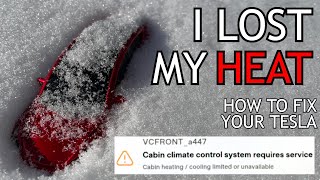
- VCFRONT_a447: A general alert indicating the "Cabin Climate Control System requires service." This is one of the most frequently reported errors when the heat pump, compressor, or related sensors fail.
- VCFRONT_a192: Warns that the "Electrical system is unable to support all features." The vehicle may disable non-essential features to conserve power when the thermal system is malfunctioning.
- VCFRONT_a180 / BHI_a180: These codes often point directly to a defective compressor, which works in conjunction with the coolant pumps.
3. Reduced Performance and Limited Supercharging
The thermal management system is essential for keeping the high-voltage battery at its optimal temperature. If a coolant pump fails, the vehicle can no longer cool the battery effectively during high-load situations like fast acceleration or Supercharging. To protect the battery from damage, the vehicle's software will limit motor power and significantly slow down or prevent DC fast charging.
4. Unusual Noises
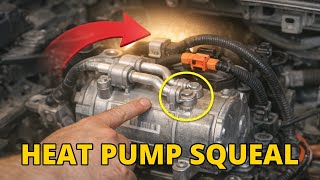
A failing electric coolant pump may produce a high-pitched whining or grinding sound from the front of the vehicle, near the frunk area. These sounds may be more noticeable when the climate control system is activated. A loud bang followed by an error message can indicate a catastrophic failure of the associated AC compressor.
🎬 Watch: Understanding cold weather compressor squealKnown Issues, Recalls, and Service Bulletins

Early versions of the heat pump system in these vehicles were subject to several issues, leading to both a recall and technical service bulletins (TSBs).
NHTSA Recall 22V-050: Heat Pump Valve Software Error
In February 2022, Tesla issued a recall for 26,681 vehicles, including the 2021-2022 Model 3, S, X and 2020-2022 Model Y. The issue was a software error that could cause an electronic expansion valve to open unintentionally, trapping refrigerant and causing the compressor to stop. This resulted in a loss of cabin heating and reduced defrosting performance, increasing the risk of a crash. This specific issue was resolved with an over-the-air (OTA) software update and did not require a physical part replacement.
TSB SB-21-18-002: Faulty Refrigerant Sensors
A widely reported issue, particularly in 2020-2021 Model 3 and Model Y vehicles, involves faulty refrigerant pressure/temperature sensors. These sensors can provide incorrect data, causing the system to shut down the heat pump as a protective measure, leading to a loss of heating and cooling. The official fix outlined in Tesla's service bulletin is to replace all three refrigerant sensors with updated parts. While not a coolant pump failure, the symptoms are identical and it's a common point of failure within the same system.
Compatibility Warning: This coolant pump is ONLY for Tesla models equipped with the heat pump thermal management system (often called the 'Octovalve' or 'Supermanifold'). It will NOT fit earlier 2017-2020 Model 3 vehicles that use an older resistive heating system. Please verify your vehicle has the heat pump system before ordering.
Buying a Used Coolant Pump: What to Check

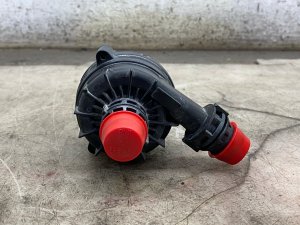
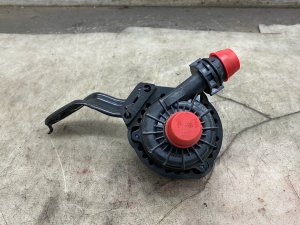
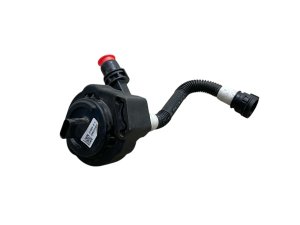
A used OEM coolant pump from a low-mileage vehicle can be a reliable and cost-effective alternative to an expensive new part. Here’s what to inspect before buying.
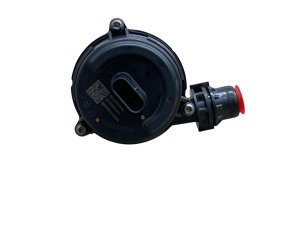
- Verify the Part Number: Ensure the part number matches your original pump. Known OEM part numbers are 1506859-00-D and 1506859-00-E. Always double-check compatibility for your specific vehicle.
- Inspect the Electrical Connector: The connector pins should be clean, straight, and free of any green or white corrosion. A damaged or corroded connector can cause intermittent operation or complete failure.
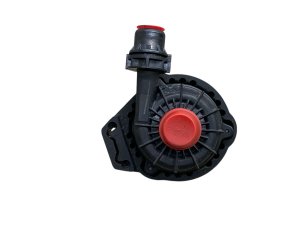
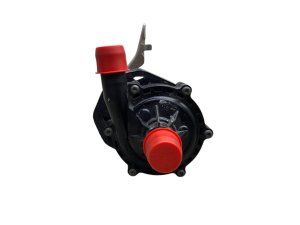
- Check the Housing for Damage: Carefully inspect the plastic housing for any cracks, deep scratches, or signs of heat damage (discoloration). The mounting points should be intact.
- Look for Signs of Leaks: Check the O-ring sealing surfaces for any damage. Look for dried coolant residue (typically pink or blue) around the pump body, which would indicate a past leak.
- Ask About the Donor Vehicle: Whenever possible, get the mileage and history of the vehicle the part came from. A pump from a low-mileage, front-end collision vehicle is often a better choice than one from a high-mileage vehicle with no known history.
Installation and Replacement

Replacing this coolant pump is a complex task recommended for experienced DIY mechanics or professional technicians. The process involves working with the vehicle's cooling and high-voltage systems.
- Difficulty: 4 out of 5
- Estimated Time: 2-4 hours
- DIY Feasible: Yes, for advanced users with the right tools.
General Steps:
- Enter Service Mode: The vehicle must be put into Service Mode using the touchscreen to access thermal system procedures.
- Drain Coolant: The cooling system must be drained using the 'Coolant Fill/Drain' routine in Service Mode.
- Disconnect Power: Disconnect the 12V power supply.
- Access the Pump: This requires removing the underhood storage unit (frunk tub) and other trim panels to access the Supermanifold assembly where the pumps are located. 🎬 See this step-by-step water pump replacement walkthrough
- Remove the Pump: Disconnect the electrical connector and remove the four T20 Torx bolts holding the pump to the Supermanifold. Be prepared to catch any residual coolant.
- Install New Pump: Lubricate and install new O-rings on the new pump, then install it and tighten the bolts to the specified torque (1.8 Nm or 1.3 lbs-ft).
- Refill and Purge: A vacuum coolant refiller is required to properly fill the system and remove all air. After refilling, run the 'Coolant Purge' or 'Coolant Pumps Identification' routines in Service Mode to bleed any remaining air from the system. Failure to properly purge the air can lead to overheating and damage to components.
Pro Tip: When disconnecting multiple pumps or sensors on the Supermanifold, label each electrical connector with masking tape to ensure they are reconnected to the correct component.
Cost of Replacement

The cost to replace a Tesla coolant pump can vary significantly depending on whether you use a Tesla Service Center, an independent shop, or do the work yourself.
| Item | Estimated Cost | Notes |
|---|---|---|
| New OEM Part | $250 - $400 | Price from Tesla Service or online parts catalogs. |
| Used OEM Part | $100 - $200 | Price from recycled parts retailers, dependent on mileage and condition. |
| Shop Labor | $400 - $800 | Labor can range from 2-4 hours at an independent shop. Tesla Service Center labor may be higher. |
| Total (New Part, Pro Install) | $650 - $1,200+ | A full repair involving the compressor or Supermanifold can exceed $2,000-$4,000. |
| Total (Used Part, DIY) | $100 - $250 | Includes used pump and cost of coolant. Requires specialized tools like a vacuum refiller. |
Frequently Asked Questions
What is the 'Octovalve' and how does this pump relate to it?
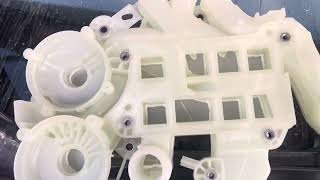
The 'Octovalve' is the nickname for a complex valve body that directs the flow of coolant and refrigerant throughout the vehicle's thermal management system. This coolant pump is one of several components that attach directly to the larger 'Supermanifold' assembly, which houses the Octovalve, to push coolant where the system demands it.
Can I still drive my Tesla if this pump fails?
It is not recommended. While the vehicle may be drivable for short distances, a failed coolant pump will lead to limited power, disabled DC fast charging, and no cabin heat. Continuing to drive could risk overheating and damaging the expensive high-voltage battery or drive units.
Is a coolant pump failure covered under warranty?
If the vehicle is still within its Basic Vehicle Limited Warranty (typically 4 years/50,000 miles) or Battery and Drive Unit Limited Warranty (8 years/100,000-150,000 miles, depending on model), this repair should be covered. However, many of the affected vehicles are now outside of the basic warranty, making used parts an attractive option.
Do I need special tools to replace this pump?
Yes. Besides basic hand tools like a T20 Torx socket, you will need a coolant vacuum refiller to properly remove air from the system after installation. Accessing Tesla's Service Mode via the touchscreen is also required to run the necessary coolant drain and purge procedures.
Helpful Videos

Technical Specifications
OEM Part Numbers: 1506859-00-D 1506859-00-E
Mounting Bolt Torque: 1.8 Nm (1.3 lbs-ft). Required Tool: T20 Torx socket.
We Have This Part in Stock

The information in this article is provided for general reference and educational purposes only. Vehicle specifications, procedures, and part compatibility can vary by production date, trim level, and region. Always consult your vehicle's factory service manual and verify part numbers before purchasing or performing repairs. Safety-critical components such as airbags, seat belts, and braking systems should be installed by a qualified professional.
- Tesla Model X:
- Tesla Model S:
- Tesla Model 3:
- Tesla Model Y:
- 🎬 Helpful Videos
- 🛍️ Shop This Part
- Symptoms of a Failing Coolant Pump
- 1. No Heat or Poor Heating in the Cabin
- 2. On-Screen Warning Messages
- 3. Reduced Performance and Limited Supercharging
- 4. Unusual Noises
- Known Issues, Recalls, and Service Bulletins
- NHTSA Recall 22V-050: Heat Pump Valve Software Error
- TSB SB-21-18-002: Faulty Refrigerant Sensors
- Buying a Used Coolant Pump: What to Check
- Installation and Replacement
- Cost of Replacement
- Frequently Asked Questions
- 🎟️ Get 5% Off